Quick Answer:
Dogs often enjoy being petted because gentle touch can feel comforting, strengthen their bond with people, and provide positive social interaction. Petting may also help some dogs relax and feel secure. However, every dog has individual preferences, so paying attention to body language is important to know when a dog welcomes touch.
Dogs often seek affection from their owners, and petting is one of the ways they enjoy physical contact and social connection. But why do dogs like being petted, and what makes a gentle touch so rewarding for them?
For many dogs, petting provides comfort, positive attention, and an opportunity to strengthen their relationship with trusted people. It can also help some dogs feel relaxed and secure when they are comfortable with the interaction.
However, not every dog enjoys being touched in the same way. Breed, personality, past experiences, and the situation can all influence how a dog responds. Understanding these preferences can help you recognize when your dog enjoys affection, where they prefer to be touched, and when they need space.
Key Takeaways
- Dogs may enjoy petting because it provides social connection, comfort, and positive attention.
- Gentle physical contact can reinforce the bond between dogs and their trusted people.
- Many dogs prefer petting around the chest, shoulders, neck, and sides.
- Relaxed body language can indicate that a dog is comfortable with touch.
- Some dogs dislike certain types of petting or prefer affection only in particular situations.
- Allowing dogs to approach and choose interaction helps create positive experiences.
What Makes Physical Affection So Enjoyable for Dogs?
Dogs may enjoy human touch for several overlapping reasons. Their preferences are influenced by social experiences, personality, early handling, familiarity with the person, and the situation in which petting occurs.
Here are six common explanations.
Petting Strengthens the Bond Between Dogs and Their Owners
Dogs are social animals that can develop strong relationships with people. Gentle petting provides an opportunity for positive physical interaction and can become part of the bond they share with their owners.
When you regularly offer pleasant attention, your dog may begin associating your touch with familiarity, comfort, and companionship.
For example, your dog might:
- Approach you when you sit on the couch.
- Rest its head against your leg.
- Lean toward your hand when you reach down.
- Stay close while you gently stroke its chest or shoulders.
These behaviors can indicate that your dog is seeking social contact. However, individual body language and the surrounding situation matter when interpreting them.
Physical Touch Can Feel Pleasant and Relaxing
A gentle stroke can provide enjoyable tactile stimulation. Some dogs appear to relax during petting, particularly when they are already comfortable with the person touching them.
Slow, gentle strokes may help a dog settle during a quiet interaction. However, not every dog finds the same type of touch relaxing.
The pressure, speed, location, and duration of petting can all influence how a dog responds.
For example, one dog might enjoy a gentle chest rub, while another prefers a short stroke along its shoulders. Pay attention to your dog’s reaction rather than assuming that more petting is always better.
Dogs Enjoy the Attention They Receive
Petting is also a form of attention. Dogs that enjoy interacting with people may seek physical contact because it gives them an opportunity to participate in a social activity.
Your dog might nudge your hand, move closer, or bring its head underneath your arm when it wants attention.
Interestingly, research published in Behavioural Processes found that dogs in the study preferred petting over vocal praise in choice tests. This suggests that physical interaction can be particularly rewarding for many dogs, although preferences still vary between individuals.
Petting can therefore be more than a way to show affection. It can be an interaction your dog actively chooses because it finds the experience rewarding.
Petting Creates Positive Associations With People
Dogs learn through experience. When gentle handling is repeatedly associated with pleasant interactions, they may become more comfortable with physical contact.
For example, a puppy that experiences gentle, appropriate handling from trusted people may develop positive associations with being touched.
These experiences can help dogs become more comfortable with everyday interactions, including:
- Gentle brushing.
- Routine grooming.
- Collar and harness handling.
- Veterinary examinations.
- Being handled by familiar family members.
However, enjoying petting does not automatically mean a dog will enjoy every kind of handling. Grooming, restraint, nail trimming, and medical examinations can feel very different from receiving affection.
5. Familiar Touch Can Provide Comfort and Reassurance
Dogs may find contact from trusted people reassuring, especially when they are already relaxed and comfortable.
For example, a dog resting beside its owner might appreciate a gentle shoulder rub or a few slow strokes along its side.
Familiarity matters. A dog that happily accepts petting from its owner may feel uncertain when an unfamiliar person reaches toward it.
Previous experiences, socialization, health, and the environment can all influence how comfortable a dog feels during physical contact.
Petting should not be forced when a dog appears frightened, overwhelmed, or uncomfortable. Giving it space is often more helpful than trying to reassure it through unwanted touch.
6. Petting Can Become Part of a Dog’s Daily Routine
Dogs often develop preferences for familiar routines. If your dog regularly receives gentle affection during quiet moments, it may begin seeking that interaction at similar times.
For example, your dog might approach you after a walk, settle beside you in the evening, or nudge your hand when you sit down.
These repeated experiences can make petting a familiar and enjoyable part of daily life.
However, routine should never replace observation. Even a dog that usually loves being petted may sometimes prefer sleeping, playing, eating, or resting without interruption.
Do Dogs Actually Enjoy Being Petted, or Do They Just Tolerate It?
Many dogs genuinely enjoy petting, but some simply tolerate physical contact. The difference is important because a dog that stays still does not necessarily want more attention.
A dog that enjoys petting may actively participate in the interaction. It might move closer, lean into your hand, or return after you briefly stop.
A dog that tolerates petting may remain nearby without actively seeking contact. It might also turn its head away, shift its body, or move away when given the opportunity.
A useful way to understand your dog’s preference is to pause during petting and see what happens next.
Try this simple petting test:
- Begin with a gentle stroke on an area your dog normally accepts.
- Stop petting after a few seconds.
- Wait without reaching toward your dog again.
- Observe whether your dog moves closer, nudges your hand, or chooses to leave.
If your dog actively seeks more contact while remaining relaxed, you can continue gently. If it moves away, turns aside, stiffens, or shows signs of discomfort, stop.
This approach is often called a consent test. It gives your dog an opportunity to choose whether the interaction continues.
Where Do Dogs Usually Like Being Petted?
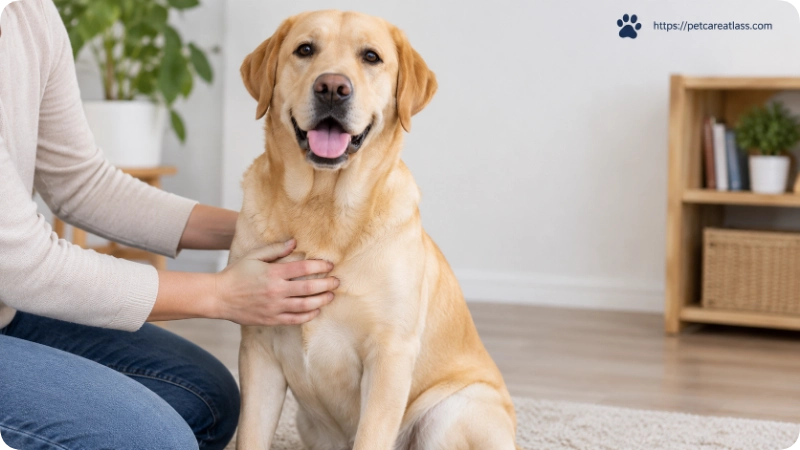
Many dogs are receptive to gentle petting around the chest, shoulders, and sides of the neck. These areas can be good starting points when your dog is comfortable with physical contact.
However, there is no universally preferred petting spot. Your dog’s individual preferences should guide you.
| Body Area | What to Know |
|---|---|
| Chest | Good starting spot for gentle petting |
| Shoulders | Many dogs enjoy gentle rubbing |
| Side of Neck | Some dogs prefer gentle touch here |
| Back | Some dogs enjoy slow, gentle strokes |
| Under Chin | Often preferred over head touching |
| Belly | Some enjoy belly rubs; others feel vulnerable |
| Paws & Tail | Many dogs dislike being touched here |
A dog’s response matters more than a general list of favorite spots. Even a dog that normally enjoys belly rubs may not want one in every situation.
For unfamiliar dogs, avoid reaching over their heads or touching sensitive areas. Let them approach you and decide whether they want contact.
How Can You Tell When Your Dog Enjoys Being Pet?
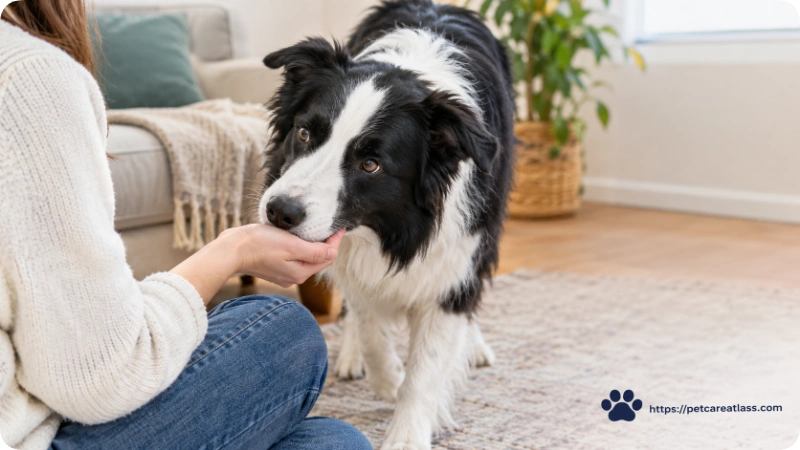
Dogs communicate their comfort through body language. Learning to recognize these signals helps you understand whether your dog wants more affection or needs a break.
Signs Your Dog Is Comfortable With Petting
Look for a combination of relaxed posture and voluntary interaction.
Common signs include:
- Leaning into your hand: Your dog moves closer to maintain contact.
- Nudging your hand: It may be asking for additional attention.
- Relaxed facial expression: The eyes, mouth, and facial muscles appear soft.
- Loose body posture: Your dog does not appear stiff or tense.
- Choosing to stay close: It remains near you or returns after you pause.
- Seeking contact: Your dog approaches and positions its body where you can comfortably pet it.
These signs are more meaningful when they occur together. For example, a wagging tail alone does not prove that a dog enjoys being touched.
Signs Your Dog Wants You to Stop
Some discomfort signals are subtle and easy to overlook.
Watch for these behaviors:
| Body Language | Possible Meaning |
|---|---|
| Turning Head Away | Avoiding contact |
| Lip Licking | Possible stress |
| Yawning | May indicate discomfort |
| Ears Pulled Back | Possible uncertainty |
| Stiff Body | Tension or uneasiness |
| Moving Away | Wants personal space |
| Showing Eye Whites | Possible fear or stress |
| Growling | Warning to stop touching |
A growl should never be punished or ignored. It is communication that the dog is uncomfortable.
If you notice these signals, stop petting and allow your dog to move away. Do not force interaction or try to hold the dog in place.
Why Do Some Dogs Not Like Being Petted?
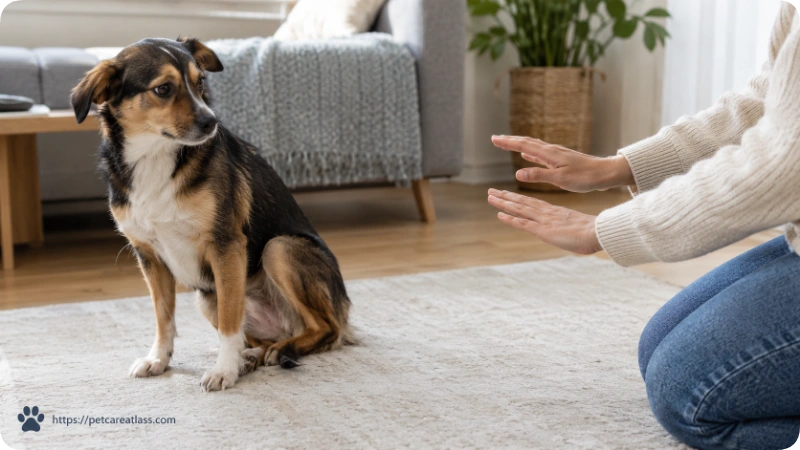
Not every dog enjoys physical affection. A dog’s willingness to accept petting can depend on its temperament, experiences, physical condition, and surroundings.
Here are some common reasons.
1. Previous Negative Experiences
A dog that has experienced rough handling, frightening interactions, or insufficient positive socialization may feel uncomfortable when someone reaches toward it.
This does not mean the dog cannot develop positive relationships with people. Patient, respectful interactions can help build confidence over time.
2. Fear of Certain Types of Touch
Some dogs dislike hands moving toward their faces or reaching over their heads. Others become uncomfortable when someone touches their paws, ears, tail, or stomach.
Allowing a dog to approach voluntarily and starting with gentle contact around the chest or shoulders may make interactions easier.
3. Pain or Physical Discomfort
A dog that previously enjoyed petting but suddenly avoids being touched may be experiencing pain or another physical problem.
Possible underlying issues include:
- Joint or muscle discomfort.
- Skin irritation.
- Ear problems.
- Injuries.
- Dental or other health conditions.
Do not assume that a sudden change in behavior is simply a personality difference. Arrange a veterinary examination if your dog becomes unusually sensitive to touch, especially if the reaction is persistent or associated with other changes.
4. Stress, Fatigue, or Overstimulation
Dogs have different limits for physical interaction.
A dog might enjoy petting while relaxing at home but dislike it after an exciting walk, during a noisy gathering, or when trying to sleep.
Some dogs also become overstimulated when petting continues for too long.
Giving your dog a break allows it to decide whether it wants to interact again.
How to Pet Your Dog in a Way It Enjoys
The best way to pet a dog is to follow its preferences rather than assuming that every dog wants the same kind of affection.
Use these simple practices:
1. Let your dog approach first. Give it an opportunity to initiate contact instead of reaching toward it immediately.
2. Start with gentle strokes. Try the chest, shoulders, or side of the neck if your dog normally accepts touch there.
3. Avoid sudden movements. Slow, predictable movements can make physical interaction more comfortable.
4. Watch its body language. Look for relaxed posture and voluntary efforts to maintain contact.
5. Pause regularly. Briefly stop petting and see whether your dog chooses to move closer or leave.
6. Respect its boundaries. Never force petting, hold your dog in place, or punish it for moving away.
7. Consider the situation. Avoid disturbing a sleeping, eating, frightened, or overwhelmed dog.
These practices are especially important when interacting with unfamiliar dogs. Always ask the owner before approaching, and remember that permission from the owner does not automatically mean the dog wants to be petted.
When Should You Be Concerned About Your Dog’s Reaction to Petting?
A dog’s preferences can change over time. If your dog suddenly stops enjoying physical contact, reacts defensively, or becomes sensitive in an area that previously caused no problems, pay attention.
Consider contacting your veterinarian if you notice:
- Sudden avoidance of petting.
- Whining, yelping, or flinching when touched.
- Growling or snapping when a particular area is handled.
- Unusual sensitivity around the back, legs, joints, or abdomen.
- Changes in movement, appetite, sleep, or everyday behavior.
These changes do not establish a particular diagnosis, but they can indicate pain or another health concern.
If your dog has difficulty breathing, collapses, or experiences another serious emergency, seek immediate veterinary care.
A veterinarian can assess possible physical causes. If medical problems have been ruled out and fear or handling sensitivity continues, a qualified veterinary behaviorist can help develop an appropriate behavior plan.
Frequently Asked Questions
Do dogs like being petted because it feels good?
Many dogs enjoy petting because it provides pleasant physical stimulation and social interaction. Gentle touch from a trusted person can become a rewarding experience. However, the sensation is not equally enjoyable for every dog, and individual preferences determine whether petting feels comfortable.
Why does my dog push my hand when I stop petting?
Your dog may be nudging your hand because it wants more attention or physical contact. If it approaches with a relaxed body and repeatedly encourages interaction, it may be asking you to continue. However, consider its overall body language rather than interpreting every nudge as a request for petting.
Do dogs love being petted more than being praised?
Some dogs may prefer physical affection to verbal praise. A 2015 study found that dogs in its experiments showed a preference for petting over vocal praise. However, this does not mean every dog prefers touch. Some respond more positively to treats, play, verbal encouragement, or other forms of interaction.[1]
Why does my dog close its eyes when I pet it?
A dog may partially close its eyes when it is relaxed and comfortable during petting. However, closed eyes alone do not establish that the dog is enjoying the interaction. Look for other signs, such as loose muscles, a relaxed posture, and voluntary movement toward your hand.
Why does my dog roll over when I approach it?
Rolling over can have several meanings. Some dogs roll onto their backs to invite belly rubs, while others do it as a submissive or appeasement behavior when they feel uncertain. Look at the rest of the dog’s body language before deciding whether it wants its belly touched.
Do dogs like being petted by strangers?
Some dogs enjoy attention from unfamiliar people, while others prefer interaction with their owners and familiar family members. Always ask the owner before approaching an unfamiliar dog. Allow the dog to initiate contact, and stop if it shows signs of uncertainty or discomfort.
Conclusion
Dogs often like being petted because physical contact can provide social connection, enjoyable stimulation, attention, and positive experiences with people they trust. However, enjoying affection does not mean every dog likes every type of touch.
The best way to make petting enjoyable is to recognize your dog’s preferences, observe its body language, and give it the freedom to choose when interactions begin and end. Respecting those boundaries helps build a healthier relationship based on trust.

Daniel Brooks is a pet care and animal behavior writer at petcareatlass.com focused on helping owners better understand their pets’ behavior and everyday needs. He creates practical, easy-to-follow content on pet communication, training, welfare, and responsible care.