Quick Answer:
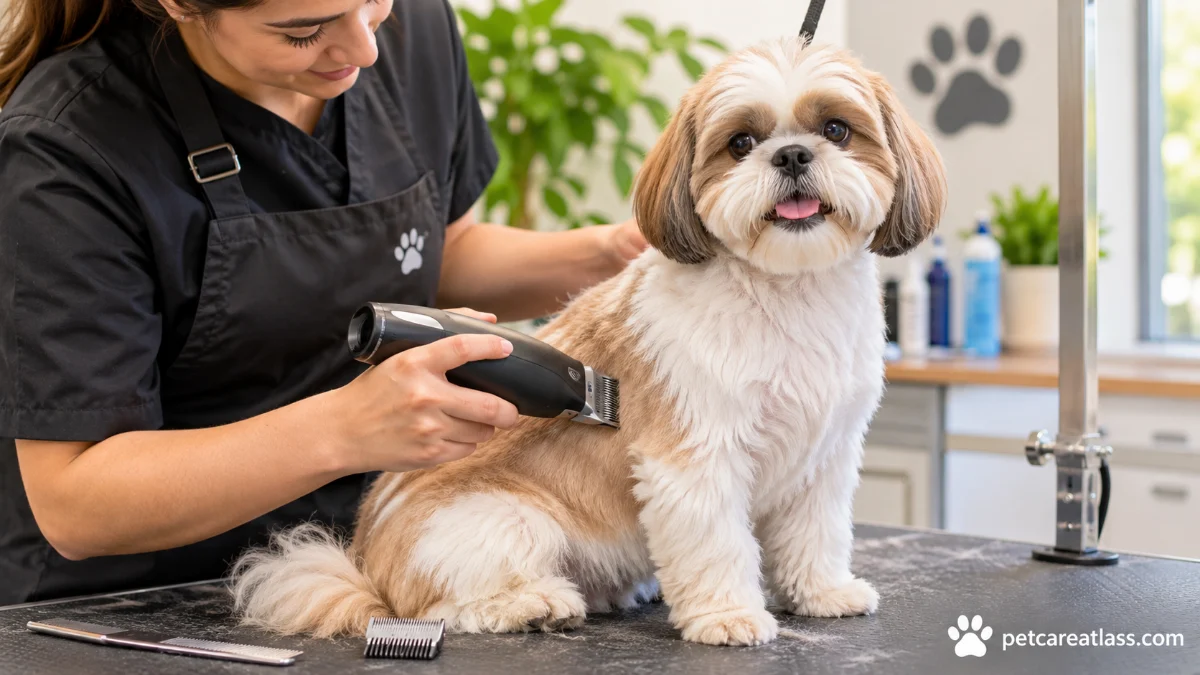
Pet clippers for dogs should match your dog’s coat type, thickness, grooming needs, and sensitivity to noise. Look for a reliable motor, compatible blades or guard combs, comfortable handling, and easy maintenance. Most importantly, choose clippers designed for animal grooming and learn whether your dog’s coat is suitable for clipping before trimming at home.
Grooming your dog at home can save time between professional appointments and help you maintain a neat, manageable coat. However, choosing the wrong grooming tool can make the experience uncomfortable for your pet and frustrating for you.
Different dogs have different grooming requirements, and a clipper that works well on a Poodle may not be suitable for a Husky or Labrador Retriever.
When shopping for pet clippers for dogs, consider more than price or motor power. Blade compatibility, cutting length, noise, heat management, and your dog’s coat structure all matter.
This guide explains what to look for, how different clipper features work, and when professional grooming is the safer choice.
What Are Pet Clippers for Dogs?
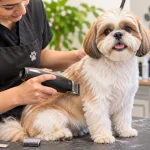
Pet clippers are electric grooming tools designed to cut or shorten a dog’s coat. They use moving blades to trim hair evenly and are available in different sizes, motor types, blade systems, and power options.
Unlike ordinary grooming scissors, electric clippers can make maintaining certain coats easier and more consistent. They are particularly useful for dogs with continuously growing hair, including many Poodles, Shih Tzus, and Yorkshire Terriers.
There are two common types:
- Full-size dog clippers: Designed for larger grooming areas, thicker coats, and more extensive trimming.
- Pet trimmers: Smaller tools intended for detail work around areas such as paws and other small grooming zones, when appropriate for the dog’s coat and the user’s skill.
These tools are not the same as dog nail clippers. This guide focuses on electric hair clippers rather than nail-trimming equipment.
How to Choose the Right Pet Clippers for Dogs
The right grooming clipper depends on your dog’s individual coat and how frequently you plan to use it. Before buying, evaluate the following features.
1. Match the Clippers to Your Dog’s Coat Type
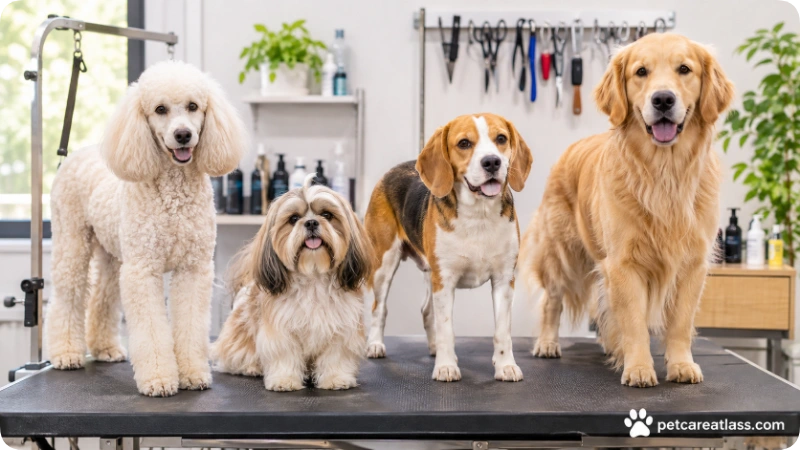
Coat compatibility should be your first consideration. Dogs have different hair textures, growth patterns, and undercoat structures, so one clipper cannot be expected to work equally well on every breed.
| Dog Coat Type | Examples | Grooming Considerations |
|---|---|---|
| Curly coat | Poodle, Bichon Frise | Needs regular clipping and thorough detangling to prevent mats. |
| Long, continuously growing coat | Shih Tzu, Yorkshire Terrier | Benefits from regular brushing and appropriate coat trimming. |
| Silky coat | Maltese, Yorkshire Terrier | Requires gentle brushing and careful trimming to prevent pulling and uneven cuts. |
| Short, smooth coat | Beagle, Boxer | Usually needs routine brushing rather than body clipping. |
| Double coat | Husky, Golden Retriever | Needs regular brushing and undercoat maintenance; shaving is generally not recommended. |
Dogs with curly or continuously growing coats may benefit from a suitable grooming clipper. However, short-coated dogs often do not need their bodies clipped at all.
Double-coated breeds need particular care. Their outer coat and undercoat provide protection and insulation. Shaving these dogs can interfere with normal coat function and may increase their vulnerability to sun damage and skin problems. Regular brushing is generally a better approach.
2. Check the Blade Type and Cutting Length
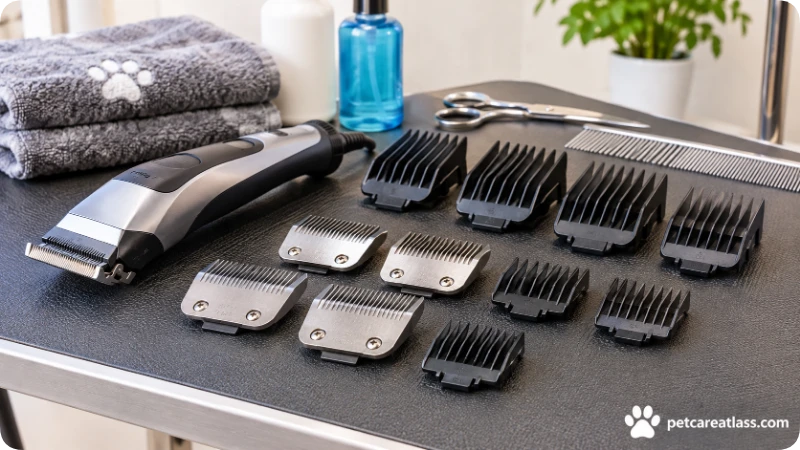
The blade determines how much hair the clipper removes. Different blade systems provide different cutting lengths and are designed for particular grooming tasks.
Two common options are:
- Adjustable blades: Allow the user to change cutting lengths within the manufacturer’s specified range.
- Detachable blades: Can be removed and replaced with compatible blades of different cutting lengths.
Blade numbers can be confusing for beginners. In common professional grooming systems, higher blade numbers generally leave shorter hair. However, exact cutting lengths depend on the blade system and manufacturer.
Before purchasing, check the manufacturer’s blade chart rather than assuming that every blade with the same number produces an identical result.
Attachment combs are another useful feature. They fit over compatible blades to help maintain a longer, more controlled coat length. Beginners may find them helpful when learning basic grooming techniques, but they do not eliminate the need for careful handling.
3. Consider Motor Power and Performance
The motor affects how effectively the clippers move through the coat. A weak or unsuitable motor may struggle with dense hair, pull at the coat, or produce an uneven finish.
Consider these factors:
- Coat compatibility: Make sure the manufacturer recommends the clipper for your dog’s hair thickness and grooming requirements.
- Consistent performance: Look for a model designed to maintain cutting performance during its intended grooming workload.
- Motor speed: Different speeds can be useful for different grooming tasks, depending on the clipper design.
- Durability: Check the manufacturer’s warranty, replacement parts, and maintenance instructions.
A powerful motor is not automatically the best choice. A comfortable, manageable clipper that suits your dog’s coat is often more useful than an unnecessarily heavy professional model.
4. Choose Between Corded and Cordless Clippers
Both corded and cordless models can work well for home grooming. The better option depends on your grooming space, your dog’s size, and how long a typical session takes.
| Feature | Corded Clippers | Cordless Clippers |
|---|---|---|
| Power source | Runs on electricity through a power outlet. | Runs on a rechargeable battery. |
| Grooming time | Allows longer sessions without battery interruptions. | Runtime depends on battery capacity and charge level. |
| Movement | Movement is limited by the power cord. | Offers greater freedom to move around your dog. |
| Convenience | Requires a nearby electrical outlet. | Easier to use in different grooming areas. |
| Maintenance | Requires care of the cord and electrical connections. | Requires battery care and regular charging. |
| Best suited for | Longer grooming sessions near a power outlet. | Flexible grooming and shorter sessions. |
Which should you choose?
Corded clippers may be practical if you regularly groom a large dog or need longer operating periods. Cordless models can be more convenient for smaller grooming spaces and detail work.
For cordless models, check the actual battery runtime and charging time rather than relying on general descriptions such as long-lasting or fast-charging.
5. Look for Low Noise and Manageable Vibration

Some dogs become uncomfortable when they hear unfamiliar grooming equipment. The sound and vibration of electric clippers can make an already nervous dog reluctant to cooperate.
Consider models that offer:
- A quieter operating design.
- Manageable vibration.
- Comfortable handling.
- A motor that runs consistently without excessive rattling.
- A grip that allows steady control.
Manufacturers do not always measure or report noise levels using the same method, so advertised decibel figures may not provide a reliable comparison.
If your dog is nervous, introduce the clippers gradually. Let your pet investigate the switched-off tool, reward calm behavior, and introduce its sound from a comfortable distance before attempting to groom.
6. Check Blade Heat Management
Clipper blades can become warm during use because of friction between moving parts. A hot blade may irritate or injure your dog’s skin.
Choose a model with practical heat-management features and follow its maintenance instructions.
Useful considerations include:
- Blade materials and construction.
- Manufacturer-approved cooling products.
- Replaceable blades.
- Regular cleaning and lubrication.
- Easy access for checking blade temperature.
Never assume a blade is safe simply because the clipper is advertised as professional-grade. Stop periodically and carefully check the blade temperature according to the manufacturer’s instructions.
If the blade becomes hot, stop grooming and allow it to cool or use an appropriate manufacturer-approved cooling method. Never continue clipping with a blade that feels uncomfortably hot.
7. Consider Weight, Grip, and Ease of Cleaning
A clipper should feel comfortable in your hand, especially if grooming takes longer than a few minutes.
A lightweight design can reduce hand fatigue, while a non-slip grip can improve control. Removable blades and accessible cleaning areas also make maintenance easier.
Before purchasing, check whether the package includes:
- A cleaning brush.
- Blade oil.
- Compatible attachment combs.
- A charging cable or power adapter.
- A storage case.
- Manufacturer instructions.
You may need to purchase additional blades or accessories separately, so check the complete package rather than comparing the clipper’s advertised price alone.
What Features Matter Most When Buying Dog Grooming Clippers?
Not every feature deserves equal attention. A beginner grooming a small dog with a manageable coat has different needs from someone maintaining a large dog with dense, continuously growing hair.
Use this comparison to prioritize your purchase.
| Buying Factor | Why It Matters | Priority |
|---|---|---|
| Coat compatibility | Ensures the clipper can handle your dog’s coat type and thickness. | Essential |
| Blade compatibility | Determines which cutting lengths and blade options are available. | Essential |
| Heat management | Helps prevent blades from becoming too hot during grooming. | Essential |
| Motor performance | Provides consistent cutting power, especially through thicker coats. | High |
| Noise and vibration | A quieter, smoother clipper may help keep nervous dogs comfortable. | High |
| Weight and grip | Makes the clipper easier to control and handle during grooming. | High |
| Battery life | Determines how long cordless clippers can operate between charges. | Depends on use |
| Replacement parts | Makes it easier to maintain the clipper and replace worn components. | High |
| Accessories | Adds convenience through guide combs, cleaning brushes, and other useful tools. | Useful |
For most first-time owners, coat compatibility, blade safety, and comfortable handling should take priority over extra accessories or advanced motor features.
How to Use Pet Clippers on Dogs Safely at Home
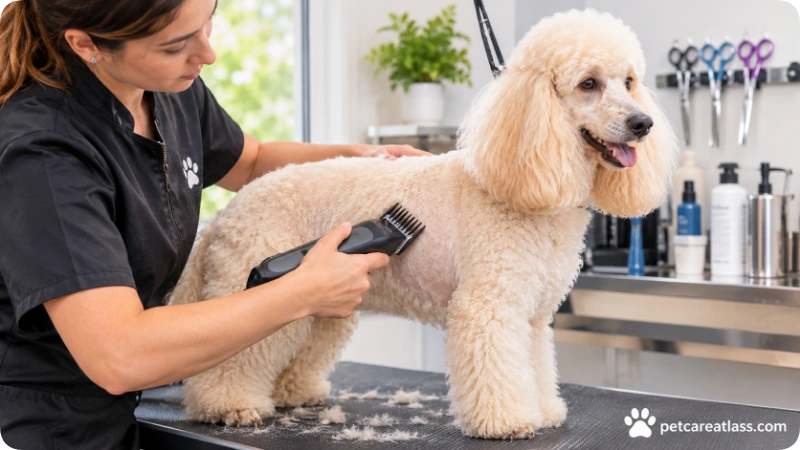
Having suitable equipment is only one part of successful grooming. Preparation and technique are equally important.
Step 1: Prepare Your Dog’s Coat
Start by inspecting your dog’s coat and skin.
Brush and comb the hair to remove loose fur and manageable tangles. The coat should be clean and completely dry if the clipper manufacturer’s instructions require dry grooming.
Pay particular attention to areas behind the ears, under the legs, around the neck, and near the tail, where tangles can develop.
Do not attempt to force clippers through tightly packed mats. They can conceal skin and make accidental injuries more likely.
Step 2: Introduce the Clippers Gradually
Allow your dog to become familiar with the grooming equipment before switching it on.
- Let your dog sniff the switched-off clipper.
- Reward calm behavior with treats.
- Turn the clipper on at a comfortable distance.
- Gradually bring it closer if your dog remains relaxed.
- Stop if your dog shows signs of distress.
You do not need to complete an entire grooming session in one attempt. Short, positive introductions can help make future grooming easier.
Step 3: Select the Appropriate Blade or Guard Comb
Choose a cutting length suitable for your dog’s coat and the grooming result you want.
Read the clipper manufacturer’s instructions and check that the blade and attachment comb are compatible.
If you are unsure about the correct cutting length, ask a professional groomer to demonstrate an appropriate setup for your dog’s breed and coat.
Step 4: Work Slowly and Maintain Control
Begin with an area that is relatively easy to reach and that your dog tolerates comfortably.
Use gentle, controlled movements without pressing the blade hard against the skin. Follow the manufacturer’s grooming instructions for coat direction and technique.
Avoid rushing around sensitive areas such as:
- The face and eyes.
- The ears.
- The armpits.
- The groin.
- The skin folds.
- The paws and toes.
These areas require additional care because the skin can be loose, thin, or difficult to see beneath the hair.
Step 5: Take Breaks and Check Blade Temperature
Stop regularly to check your dog’s comfort and the blade temperature.
Watch for panting unrelated to heat or exercise, repeated attempts to move away, trembling, tucked posture, or other signs of stress.
If your dog becomes uncomfortable, pause the session. Never force an anxious dog to remain still for grooming.
Step 6: Clean and Store the Clippers
After grooming:
- Switch off and unplug the clippers, if applicable.
- Remove loose hair using the supplied cleaning brush.
- Clean the blade according to the manufacturer’s instructions.
- Apply the recommended clipper oil when required.
- Store the equipment in a clean, dry place.
Regular cleaning and lubrication help reduce friction, maintain cutting performance, and extend blade life.
Common Mistakes to Avoid When Using Dog Clippers
Even good-quality grooming equipment can cause problems when used incorrectly. Avoid these common mistakes:
Choosing clippers based only on price: An inexpensive model may not have the motor performance or blade compatibility required for your dog’s coat.
Using human hair clippers without checking suitability: Human grooming tools are not necessarily designed for animal coats. Choose equipment specifically intended for dog grooming.
Clipping a dirty or tangled coat: Dirt and tangles can interfere with smooth cutting and make grooming uncomfortable. Prepare the coat before starting.
Ignoring blade temperature: Blades can heat up during operation. Regularly check them and stop if they become too warm.
Using the wrong blade length: An unsuitable blade can remove more hair than intended or make it difficult to achieve an even finish.
Shaving a double-coated dog unnecessarily: Huskies, Golden Retrievers, German Shepherds, and other double-coated breeds generally should not have their coats shaved for routine grooming.
Forcing an uncomfortable dog to continue: Fear and resistance can increase the risk of accidental injuries. Take breaks and seek professional assistance when needed.
When Should You Choose a Professional Dog Groomer?
Home grooming is not appropriate for every dog or every coat condition. A professional groomer has specialized equipment and experience handling difficult coats and sensitive grooming areas.
Consider professional grooming when:
- Your dog has severe or tightly packed mats.
- You are unfamiliar with your dog’s coat structure.
- Your dog becomes extremely anxious during grooming.
- You need a breed-specific haircut or detailed styling.
- Your dog has skin irritation, sores, or unusual lumps.
- You are unsure how to safely trim around the face, ears, paws, or other sensitive areas.
A veterinarian should assess skin problems, painful areas, or other medical concerns before you attempt to clip over them.
The VCA Animal Hospitals recommends professional care for severe or extensive matting and advises against using scissors to remove mats because of the risk of accidentally cutting the skin.
How to Maintain Dog Grooming Clippers
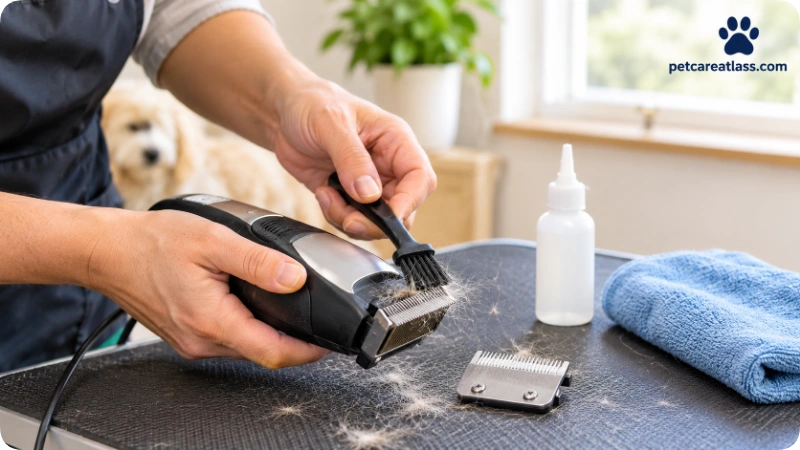
Proper maintenance helps your equipment remain reliable and reduces unnecessary wear on the blades.
Clean the Blades After Every Grooming Session
Hair and debris can collect between the cutting teeth. Use the cleaning brush supplied with your clippers to remove buildup.
Follow the manufacturer’s instructions before removing or cleaning detachable blades.
Oil the Blades Regularly
Clipper oil reduces friction between moving blade surfaces. Insufficient lubrication can contribute to excess heat and poor cutting performance.
Use only the type of oil recommended by the manufacturer. Do not substitute household oils or other lubricants.
Inspect Blades for Damage
Check for:
- Dull cutting edges.
- Bent or damaged teeth.
- Rust or corrosion.
- Loose components.
- Uneven cutting performance.
Replace damaged blades rather than continuing to use them.
Store the Equipment Properly
Keep your clippers and accessories in a dry, clean storage case or designated area. Protect the blades from moisture and accidental damage.
For cordless models, follow the manufacturer’s battery storage and charging recommendations.
Frequently Asked Questions
Are professional dog clippers better than regular pet clippers?
Not necessarily. Professional models may offer more powerful motors, interchangeable blades, and features designed for frequent grooming. However, a beginner who trims a small dog’s coat occasionally may find a simpler model more practical. The best choice depends on coat compatibility, handling, reliability, and intended use.
Can I use human hair clippers on my dog?
It is better to choose clippers specifically designed for animal grooming. Human hair clippers may not be suitable for a dog’s coat thickness, grooming requirements, or handling needs. Always check the manufacturer’s specifications before using any grooming equipment on your pet.
How often should I use dog grooming clippers?
There is no universal grooming schedule. Dogs with continuously growing coats may need regular professional or home trimming, while short-coated dogs generally need brushing rather than clipping. Your dog’s breed, coat condition, growth pattern, and preferred haircut determine the appropriate schedule.
Are cordless dog clippers good for thick coats?
Some cordless models are designed to handle thicker coats, but performance varies between products. Check the manufacturer’s specifications, recommended coat types, motor performance, and battery runtime. Do not assume that every cordless clipper can handle dense or heavily tangled hair.
What clipper blade is best for beginners?
A compatible blade-and-guard-comb combination that provides a longer, controlled cutting length can be easier for beginners to manage. However, the appropriate choice depends on your dog’s coat and the intended grooming style. Always follow the manufacturer’s blade chart and instructions.
Can dog clippers hurt my pet?
Yes. Improper handling, damaged blades, excessive heat, and accidental contact with loose or sensitive skin can cause injuries. Use suitable equipment, maintain the blades, work slowly, and stop if your dog becomes distressed. Seek professional assistance if you are uncertain about a grooming area.
Do dog clippers need regular oiling?
Yes, most conventional dog grooming clippers require regular blade lubrication. Oil helps reduce friction, supports smooth cutting, and helps prevent unnecessary heat buildup. Follow the specific maintenance schedule and oiling instructions supplied by the manufacturer.
Conclusion
Choosing suitable pet clippers for dogs starts with understanding your dog’s coat, grooming requirements, and comfort level. Look for compatible blades, reliable performance, manageable noise, good heat control, and convenient maintenance rather than focusing on price alone.
Remember that not every dog needs clipping, particularly breeds with protective double coats. When you are unsure about coat suitability, blade selection, or safe grooming techniques, consult a professional groomer or veterinarian before trimming at home.

Dr. Emily Carter is a pet-care writer with a focus on animal health, nutrition, and everyday pet wellness. She creates practical, easy-to-understand guides that help pet owners make informed and responsible care decisions.