Quick Answer:
Animals often enjoy being petted because gentle touch can feel comforting, strengthen social bonds, and provide positive physical contact. For many dogs, cats, and other social animals, petting may help them feel safe and relaxed. However, not every animal enjoys human touch, and individual preferences, body language, and the way you approach them all matter.
Have you ever wondered why dogs lean into your hand, cats rub against your fingers, or other animals seem to enjoy gentle strokes? Animals may like being petted because physical contact can provide comfort, reinforce social bonds, and create positive interactions with humans.
For many social species, gentle touch can feel reassuring when they trust the person handling them.However, the reasons animals enjoy petting are not exactly the same across species.
Their natural social behavior, past experiences, personalities, and sensitivity to touch can influence how they respond. Some animals actively seek affection, while others prefer limited contact or no petting at all.
Understanding the science behind animal touch, along with their body language, can help you recognize when petting is welcome and when it is time to stop.
The Science Behind Animals’ Love of Physical Touch
Animals may enjoy petting for several connected reasons. For some, it provides a pleasant physical sensation. For others, it is a form of social interaction that helps them feel comfortable around familiar people.
Although the reasons vary between species, several common factors explain why many companion animals seek gentle physical contact.
Petting Feels Physically Pleasant
One of the simplest reasons animals enjoy being pet is that gentle touch can stimulate sensory receptors in their skin.
These receptors detect pressure, movement, temperature, and other physical sensations. When someone gently strokes an animal in a comfortable area, the sensation may feel pleasant rather than irritating.
For example:
- A dog may enjoy gentle scratches around its chest or shoulders.
- A cat may appreciate light strokes along its cheeks or forehead.
- A rabbit may relax when its head is gently stroked.
- Some birds enjoy gentle contact around the head, depending on their species and individual preferences.
The experience depends on the animal’s physical sensitivity. Areas that feel comfortable to one pet may be uncomfortable to another.
Petting Supports Social Bonding
Physical contact can also be part of social bonding.
Many animals have evolved to use touch during interactions with members of their own species. Dogs, for example, communicate through physical contact, proximity, and body language. Cats may rub against familiar individuals, while rabbits engage in social grooming with bonded companions.
When a pet voluntarily approaches a person and enjoys gentle contact, that interaction can become part of their relationship.
Over time, positive experiences may help an animal associate its owner with comfort, safety, and companionship.
Petting Can Help Animals Relax
Gentle petting may help some animals settle down, especially when they are already comfortable with the person touching them.
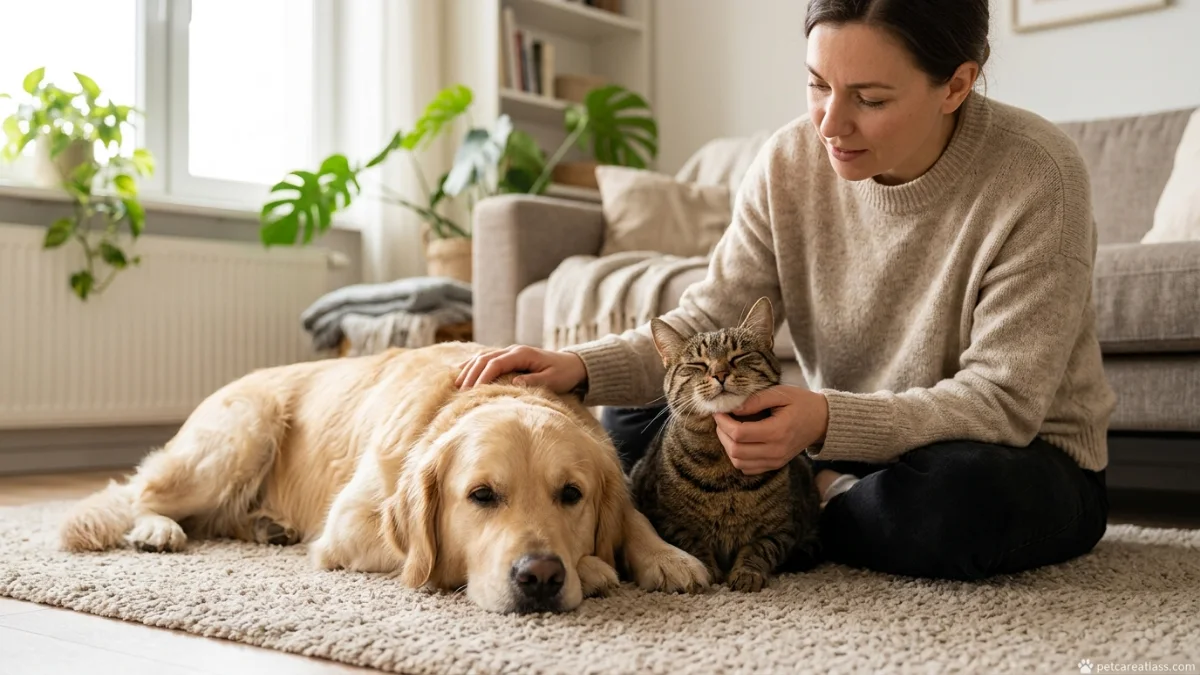
You might notice your dog lying beside you while you stroke its back or your cat closing its eyes during gentle cheek scratches.
These behaviors can indicate that the animal is comfortable with the interaction.Always consider the animal’s overall body language rather than relying on one behavior alone.
However, relaxation does not always mean an animal wants more petting. Some pets enjoy a few strokes and then prefer to rest without being touched.
Petting Provides Attention and Interaction
Companion animals often seek interaction with people, but they do not all communicate their needs in the same way.
Some dogs nudge their owner’s hand when they want attention. Cats may rub against their owner’s legs, while certain rabbits approach familiar people and settle nearby.
For these animals, petting may be one enjoyable part of a larger social interaction.
It is important to remember that attention does not always mean physical contact. Playing, talking gently, offering enrichment, and spending time together can also strengthen relationships.
What Happens in an Animal’s Brain When You Pet It?
Petting is more than a physical sensation. It can also involve the nervous system and brain processes associated with touch, comfort, and social interaction.
Understanding these processes helps explain why some animals appear to enjoy gentle contact.
Sensory Receptors Send Signals to the Brain
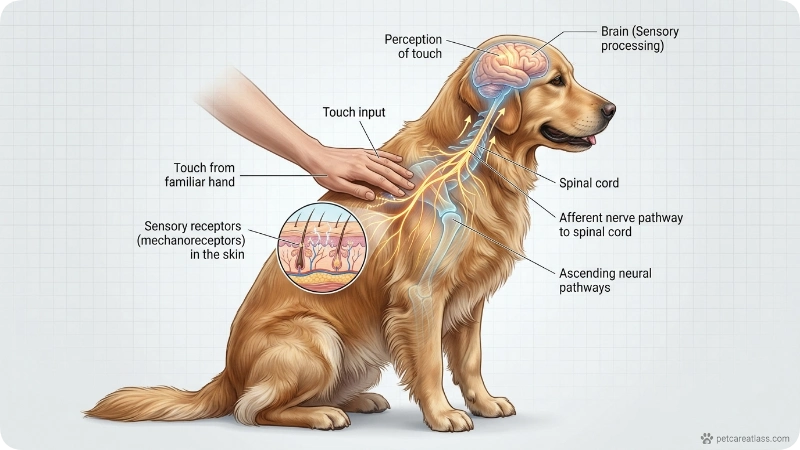
When you stroke an animal, sensory receptors in its skin detect the movement and pressure.
These receptors send information through the nervous system to the spinal cord and brain. The brain processes these signals and helps determine whether the sensation is comfortable, neutral, or unpleasant.
The response depends on several factors, including:
- How gently the animal is touched.
- Which part of its body is touched.
- Whether the animal trusts the person.
- Its previous experiences with handling.
- Its current physical and emotional condition.
A gentle stroke from a familiar person may be enjoyable, while unexpected touching from a stranger may cause the same animal to become uncomfortable.
Positive Touch May Activate Reward Pathways
Pleasant social interactions can activate reward-related processes in the brain.
When an animal enjoys physical contact, these processes may contribute to positive feelings and encourage it to seek similar interactions again.
This helps explain why some pets repeatedly approach their owners for attention.
However, the exact neurological response is not identical across all species. Research involving dogs and other mammals cannot automatically be applied to every pet, particularly animals such as reptiles, fish, and amphibians.
Oxytocin and Social Bonding
Oxytocin is a hormone and signaling molecule involved in several social and physiological processes.
Research on dogs and humans suggests that positive interactions, including friendly contact and mutual attention, can be associated with changes in oxytocin activity.
This is one reason physical interaction is often discussed in connection with bonding between dogs and their owners.
However, oxytocin should not be described as a simple happiness chemical. Its effects are more complex, and the available evidence does not mean that every animal experiences the same hormonal response when petted.
Do All Animals Like Being Pet?
No. Not all animals enjoy petting, and even animals belonging to the same species can have very different preferences.
Some pets actively seek physical contact, while others tolerate only brief handling or prefer interacting without being touched.
The type of animal, its natural behavior, social experiences, and individual personality all influence its response.
Which Pets Commonly Enjoy Petting?
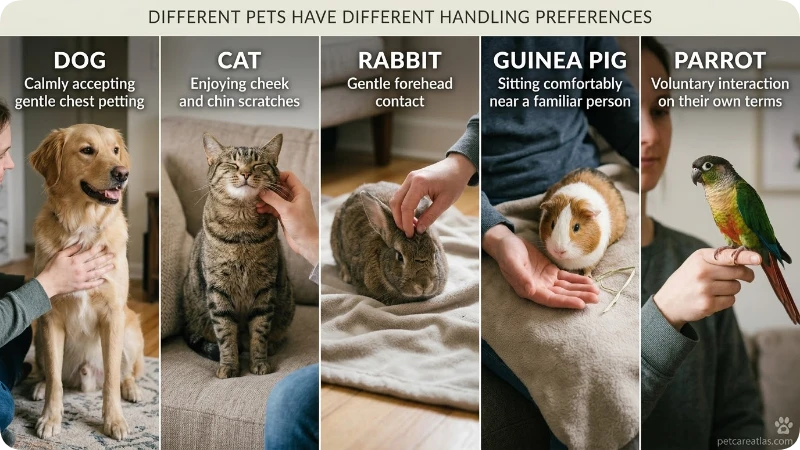
Petting Preferences by Species
| Animal | Preferred Interaction | Important Consideration |
|---|---|---|
| Dogs | Gentle strokes on chest, shoulders, and body | Preferences vary |
| Cats | Cheeks, chin, forehead, and head strokes | Many dislike belly touching |
| Rabbits | Gentle forehead and head strokes | Many dislike being picked up |
| Guinea pigs | Gentle strokes after becoming comfortable | Some need time to accept handling |
| Birds | Gentle head scratches in suitable species | Avoid areas that may trigger hormonal behavior |
| Hamsters | Brief, gentle contact after gradual socialization | Many prefer limited handling |
| Reptiles | Minimal, species-appropriate handling | Tolerating touch does not mean enjoying it |
| Fish | No routine petting | Touch can damage their protective skin coating |
This table describes general tendencies, not universal rules.
For example, some cats enjoy being stroked along their backs, while others prefer only head contact. Similarly, certain birds enjoy gentle head scratches, but others may find handling stressful.
Why Some Animals Dislike Being Touched
There are several reasons a pet may avoid petting.
Natural behavior: Some species are less dependent on physical contact with humans. Their natural social behavior does not necessarily include seeking touch.
Previous experiences: An animal that has experienced rough handling, frightening interactions, or inadequate socialization may become uncomfortable when approached.
Physical sensitivity: Some body areas are naturally sensitive, and touching them may feel irritating.
Lack of trust: An unfamiliar person reaching toward an animal can feel threatening, particularly when the animal has limited opportunities to move away.
Pain or illness: An animal that previously enjoyed petting may begin avoiding touch because of discomfort, injury, or an underlying health problem.
The important lesson is that an animal’s willingness to interact should always guide how you approach it.
Why Do Dogs Like Being Pet?
Dogs are social animals that often develop strong relationships with their human families. For many dogs, gentle petting is an enjoyable form of attention and physical interaction.
When a dog trusts its owner, it may approach voluntarily, lean against the person’s legs, or position its body for gentle scratches.
Social Connection
Dogs often use physical contact to communicate and maintain social relationships.
When your dog rests its head on your lap or gently nudges your hand, it may be seeking attention or companionship.
Petting can become a positive part of that relationship when the dog enjoys the contact.
Physical Comfort
Some dogs enjoy gentle scratching around the chest, shoulders, and neck.
These areas may be easier to reach than parts of their bodies they cannot comfortably scratch themselves.
However, a dog’s preference should always determine where and how you touch it.
Positive Attention
Dogs may also enjoy petting because it happens alongside other positive interactions, such as calm voices, familiar routines, and time spent with their owners.
Not every dog wants constant physical affection. Some prefer playing fetch, going for walks, or simply resting near their family.
Why Do Cats Like Being Pet?
Cats often have more specific preferences about where and when they want to be touched.
Many enjoy gentle strokes around their cheeks, chin, forehead, and the base of their ears. These areas contain scent glands that cats use during familiar social interactions.
Scent Marking and Familiarity
Cats have scent glands around their cheeks and other parts of their bodies.
When a cat rubs its face against your hand, it may be depositing familiar scent signals while interacting with you.
This behavior can be part of how cats establish familiarity with their surroundings and social partners.
Comfortable Physical Contact
Many cats enjoy gentle contact around their head and cheeks because these areas are commonly involved in friendly social grooming and rubbing behaviors.
However, some cats dislike being touched along their backs, paws, tails, or stomachs.
Individual Preferences
A cat that enjoys chin scratches in the morning may not want to be touched while sleeping or eating.
Pay attention to its posture, facial expressions, tail movements, and willingness to remain close.
A cat that walks away is communicating that it wants the interaction to stop.
Why Do Rabbits and Other Small Pets Enjoy Gentle Touch?
Rabbits and other small companion animals can develop positive relationships with familiar people, but their handling preferences are often different from those of dogs and cats.
Because many small animals are prey species, being approached or lifted unexpectedly can feel threatening.
Why Rabbits May Enjoy Petting
Rabbits are social animals that communicate through body language, proximity, and grooming.
Bonded rabbits may groom each other’s heads and faces. Some pet rabbits also enjoy gentle strokes from trusted owners, particularly around the forehead.
A relaxed rabbit may:
- Lower its head toward your hand.
- Remain comfortably in place.
- Close its eyes.
- Stretch out while resting.
- Voluntarily approach for attention.
These signs should be considered together rather than treated as guaranteed proof of enjoyment.
Why Small Pets Need Gentle Handling
Guinea pigs, hamsters, and other small pets have different physical and behavioral needs.
Some gradually become comfortable with gentle contact, while others prefer limited handling.
Never assume that a small animal enjoys being picked up simply because it remains still. Freezing can be a fear response rather than a sign of relaxation.
Give small pets time to become familiar with your presence before attempting physical contact.
How to Tell If an Animal Enjoys Being Pet
One of the most important parts of responsible pet care is recognizing whether an animal actually enjoys being touched.
Animals communicate through posture, movement, facial expressions, and behavior. Learning these signals can help you avoid unwanted handling.
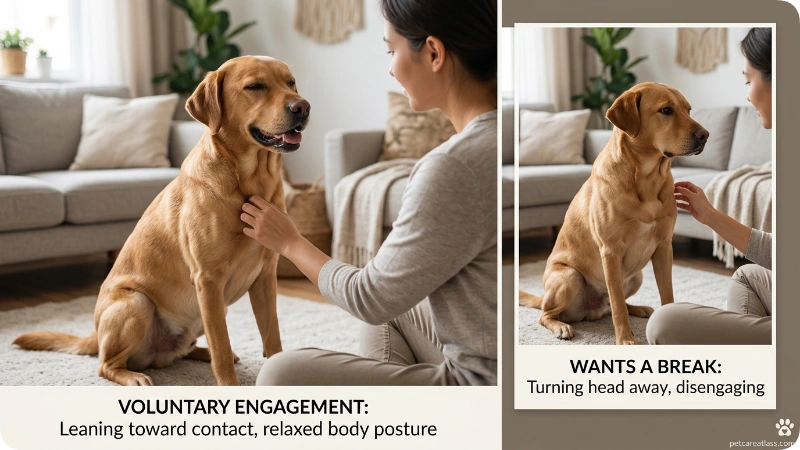
Signs an Animal May Enjoy Petting
Depending on the species, positive signals may include:
- Voluntarily approaching your hand.
- Leaning gently into your touch.
- Maintaining a relaxed body posture.
- Remaining close without attempting to escape.
- Returning for more attention after you pause.
- Showing relaxed facial expressions.
- Settling comfortably beside you.
A dog might lean into your hand, while a cat may gently push its cheek against your fingers.
Signs an Animal Wants You to Stop
Some animals show discomfort through subtle signals before they move away or defend themselves.
Watch for:
- Moving away or repeatedly turning their head.
- Flattened ears or tense body posture.
- Tail flicking or rapid tail movements in cats.
- Lip licking, yawning, or turning away in dogs.
- Freezing or hiding.
- Growling, hissing, or attempting to bite.
- Repeated attempts to escape.
Not every signal has the same meaning in every species. For example, a cat’s tail movement should be interpreted alongside its ears, posture, and facial expression.
Understanding Common Petting Signals
| Behavior | Possible Meaning | Recommended Response |
|---|---|---|
| Leaning into your hand | May enjoy contact | Continue gently if relaxed |
| Approaching voluntarily | Interested in interaction | Offer your hand calmly |
| Relaxed posture | May feel comfortable | Maintain gentle contact |
| Turning head away | May want a break | Pause and observe |
| Moving away | Wants distance | Stop touching |
| Freezing | May feel frightened or uncomfortable | Stop and give space |
| Growling or hissing | Warning or discomfort | Stop immediately; do not punish |
Remember: The best way to understand an animal’s preference is to pause occasionally. If it voluntarily returns, it may want more interaction. If it leaves, respect that choice.
Where Do Animals Usually Like Being Pet?
The preferred petting areas depend on the species, individual personality, and previous experiences.
There is no single body area that every animal enjoys having touched.
Commonly Preferred and Sensitive Areas
| Animal | Areas Often Enjoyed | Areas Requiring Caution |
|---|---|---|
| Dogs | Chest, shoulders, neck, and sides | Paws, tail, face, and belly |
| Cats | Cheeks, chin, forehead, and head | Belly, paws, and tail |
| Rabbits | Forehead and head | Belly, feet, and hindquarters |
| Guinea pigs | Head and back, depending on preference | Belly and sensitive areas |
| Birds | Head and neck in suitable species | Back, wings, and underbody |
| Hamsters | Gentle contact when accustomed | Face, belly, and protected areas |
These are general starting points rather than fixed rules.
For example, a dog may enjoy belly rubs, while another may become uncomfortable when someone reaches toward its stomach.
Why Do Some Animals Dislike Belly Rubs?
The belly is a vulnerable area for many animals.
Dogs may expose their stomachs for different reasons, including relaxation, social communication, or appeasement. Showing the belly does not automatically mean a dog wants a belly rub.
Similarly, many cats protect their stomachs and may react defensively when someone touches that area.
Always wait for the animal to invite contact rather than assuming its body position is permission.
Does Petting Reduce Stress in Animals?
Petting can help some animals feel calmer, particularly when the interaction is familiar, gentle, and voluntary.
However, it is important to distinguish between enjoyable touch and unwanted handling.
When Petting May Be Comforting
Gentle physical contact may be comforting when:
- The animal trusts the person.
- It has voluntarily approached.
- The touching is slow and predictable.
- The animal is physically comfortable.
- It can move away whenever it wants.
For example, a relaxed dog resting beside its owner may enjoy gentle chest strokes.
When Petting May Increase Stress
Touch is not always relaxing.
Petting can increase stress when an animal feels trapped, frightened, overstimulated, or physically uncomfortable.
Some pets tolerate touching without actively enjoying it.
If an animal becomes tense, repeatedly moves away, or shows warning signals, stop the interaction.
Petting should never replace efforts to address the underlying cause of an animal’s stress.If your pet regularly appears frightened or uncomfortable, consider its environment and consult a veterinarian or qualified behavior professional when appropriate.
How to Pet an Animal Without Making It Uncomfortable
Learning how to pet an animal properly can make interactions more comfortable and help build trust.
Follow these simple practices:
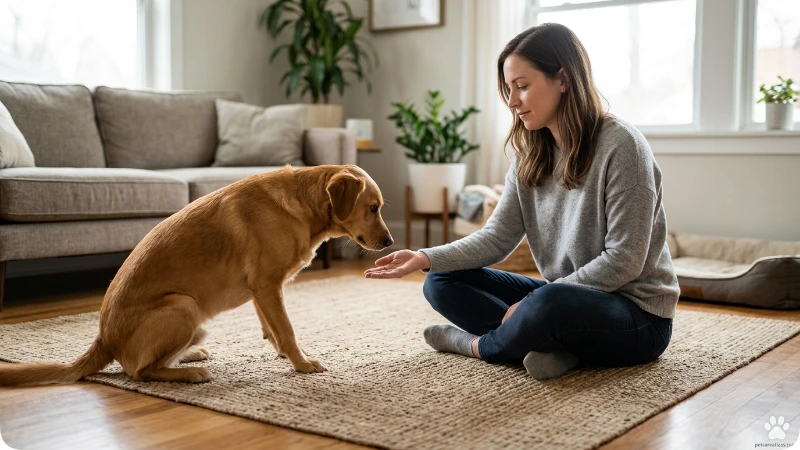
1. Let the Animal Approach You
Avoid immediately reaching toward an unfamiliar animal.
Instead, remain calm and allow it to approach voluntarily. This gives the animal an opportunity to decide whether it wants interaction.
2. Offer Your Hand Gently
Keep your movements slow and predictable.
For dogs and cats, you can offer a relaxed hand near the animal without moving it directly toward the face.
Allow the animal to investigate if it wants.
3. Start With a Preferred Area
Begin with an area that the animal commonly enjoys, provided its individual body language suggests that contact is welcome.
For many dogs, the chest or shoulders may be a suitable starting point. For many cats, the cheeks or forehead may be more comfortable.
4. Keep Petting Sessions Short
Start with a few gentle strokes rather than prolonged contact.
Some animals enjoy brief interactions but become uncomfortable when petting continues for too long.
5. Pause and Observe
After a few strokes, stop briefly.
If the animal leans toward your hand or voluntarily seeks more contact, it may be comfortable continuing.
If it moves away, turns its head, or becomes tense, give it space.
6. Never Force Physical Contact
Avoid chasing, restraining, or holding an animal simply to pet it.
This is especially important for rabbits, birds, and small pets that may become frightened when restrained.
Do’s and Don’ts of Petting
| Do | Don’t |
|---|---|
| Let the animal approach | Force contact |
| Use gentle movements | Make sudden movements |
| Observe body language | Ignore warning signals |
| Respect individual preferences | Assume all pets enjoy the same areas |
| Pause between strokes | Continue when the animal moves away |
| Provide an escape route | Corner or restrain unnecessarily |
| Learn species-specific handling | Treat every animal like a dog or cat |
Why Does My Pet Ask for Petting but Sometimes Walk Away?
It can be confusing when a pet approaches you for attention but suddenly leaves after a few seconds.
However, this behavior is not necessarily a sign that your pet dislikes you.
Animals can have changing preferences depending on their mood, environment, energy level, and physical comfort.
Some common explanations include:
- They have had enough attention: Your pet may enjoy a few strokes but not want a longer interaction.
- Some prefer controlling the interaction: These animals may enjoy approaching people but dislike continuous touching.
- Overstimulation can also play a role: Repeated petting may become irritating, even when the interaction starts positively.
Something has distracted them: Sounds, movement, food, toys, or other environmental changes may attract their attention.
They are uncomfortable: If a pet suddenly begins avoiding touch, pain or illness may be contributing.
The best approach is to respect your pet’s changing preferences. Allow it to leave and return when it wants.
If a previously affectionate animal suddenly avoids all contact, reacts painfully, or shows other unusual changes, arrange a veterinary examination.
Do Animals Understand That Petting Is an Expression of Love?
Animals may not understand human affection in exactly the same way people do, but many companion animals can develop positive associations with gentle handling and familiar people.
For example, a dog may recognize its owner’s voice, scent, movements, and familiar routines. A cat may approach someone who consistently interacts with it calmly.
Over time, these positive experiences can contribute to trust and social bonding.
However, animals communicate affection differently.
Some show their comfort by:
- Resting near their owners.
- Following familiar people around the home.
- Rubbing against them.
- Seeking attention.
- Playing or engaging in social activities.
- Relaxing in their presence.
Other animals may prefer companionship without frequent physical contact.
This is why responsible pet owners should not measure an animal’s affection only by how much it enjoys being petted.
When Should You Avoid Petting Your Animal?
Even animals that normally enjoy physical contact have situations when they may prefer not to be touched.
Respecting these moments helps prevent unnecessary stress and uncomfortable interactions.
Avoid or limit petting when:
- Your pet is sleeping or resting undisturbed.
- It is eating or guarding food.
- It is hiding or trying to escape.
- It appears frightened or overstimulated.
- It is showing defensive body language.
- It has an injury or painful body area.
- It is unfamiliar with you and has not approached voluntarily.
Be especially careful with unfamiliar animals. A pet that is comfortable with its owner may not respond the same way to visitors.
Children should also be taught to approach animals calmly, avoid disturbing them while sleeping or eating, and never pull their ears, tails, fur, or feathers.
If an animal suddenly becomes sensitive to touch, reacts aggressively, or avoids contact that it previously enjoyed, a veterinarian can help investigate possible physical causes.
Frequently Asked Questions
Do animals actually enjoy being petted?
Many companion animals genuinely enjoy petting when it feels comfortable and comes from someone they trust. However, enjoyment varies between species and individuals. Some animals prefer other forms of interaction, such as playing or sitting near their owners.
Does petting release oxytocin in animals?
Positive social interactions can influence oxytocin activity in some animals. Research involving dogs and humans has identified associations between friendly interactions and oxytocin changes. However, this response should not be assumed to occur identically in every species or during every petting session.
Why do animals close their eyes when being petted?
Some animals partially or fully close their eyes when they are relaxed and comfortable. However, eye closure alone does not prove enjoyment. Consider other signals, including body posture, muscle tension, and whether the animal voluntarily remains nearby.
Why do some animals prefer certain people for petting?
Animals may become more comfortable with people they recognize and associate with positive experiences. Familiar voices, scents, predictable movements, and gentle handling can contribute to trust. Individual preferences and previous experiences also influence their behavior.
Can petting make animals happy?
Petting can be an enjoyable experience for animals that like physical contact. It may contribute to positive social interactions and comfort. However, happiness depends on much more than petting, including suitable nutrition, health, enrichment, exercise, safety, and species-appropriate care.
Why does my pet suddenly dislike being petted?
A sudden change may be related to overstimulation, fear, environmental changes, or physical discomfort. If your pet previously enjoyed touching but now avoids it, reacts painfully, or shows unusual behavior, consult a veterinarian to check for possible health problems.
Do wild animals enjoy being petted like domestic pets?
Wild animals have different natural behaviors and welfare requirements. Some individuals may tolerate human contact, but tolerance does not necessarily mean enjoyment. Touching wild animals can cause stress and create safety risks, so they should generally be observed without unnecessary handling.
Conclusion
Animals may enjoy being petted because gentle touch can provide pleasant physical sensations, support social interaction, and strengthen relationships with familiar people. For many companion animals, these experiences can contribute to comfort and trust.
However, every animal has individual preferences. Dogs, cats, rabbits, birds, and other pets do not necessarily enjoy the same type of contact or the same areas being touched.
The most important part of petting is understanding your animal’s communication. Let it approach voluntarily, use gentle movements, watch its body language, and stop when it shows signs of discomfort.A strong relationship with your pet is not built by touching it as much as possible. It comes from understanding its needs, respecting its boundaries, and making every interaction a positive experience.

Daniel Brooks is a pet care and animal behavior writer at petcareatlass.com focused on helping owners better understand their pets’ behavior and everyday needs. He creates practical, easy-to-follow content on pet communication, training, welfare, and responsible care.