Quick Answer:
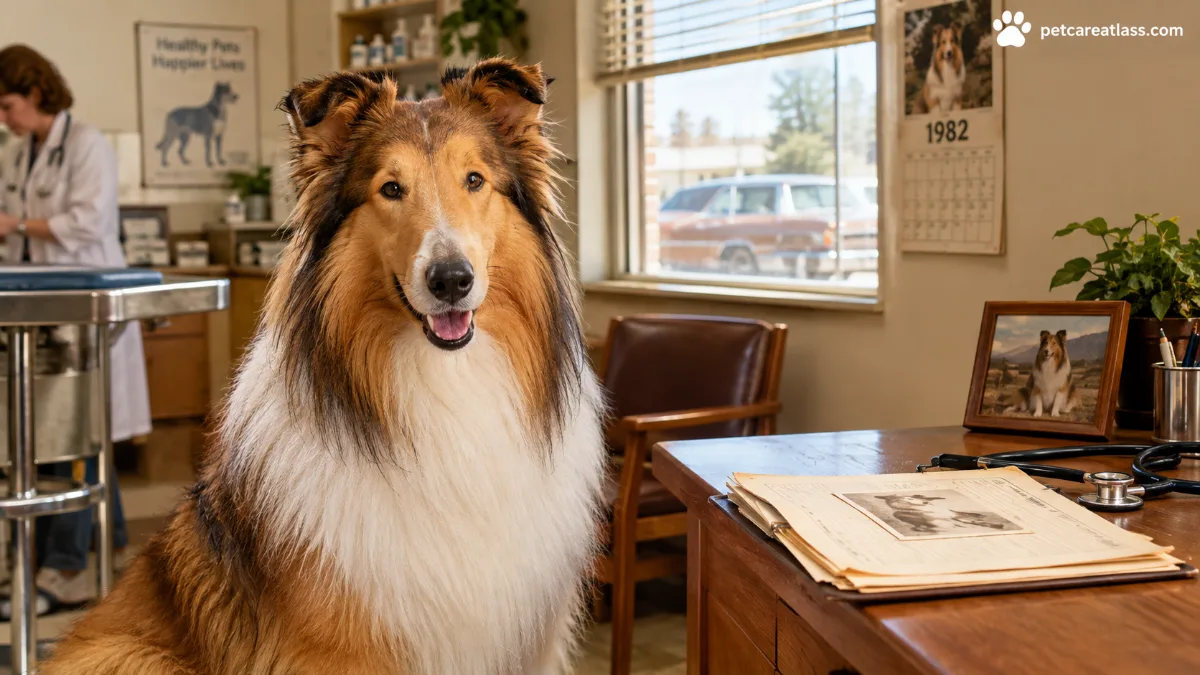
The first pet to receive an insurance policy in the United States was Lassie, the famous television collie, in 1982. Veterinary Pet Insurance (VPI) issued the historic policy on April 8, 1982, marking an important milestone in American pet insurance history.
Pet insurance has become an important part of responsible pet ownership, helping Americans manage unexpected veterinary expenses. However, its history in the United States began with an unexpected celebrity: Lassie, the famous television collie.
On April 8, 1982, Lassie became the first pet insured in America when Veterinary Pet Insurance (VPI) issued the country’s first pet insurance policy.
This historic event introduced a new approach to managing veterinary costs and helped lay the foundation for the modern pet insurance industry.
But why was Lassie chosen, who made the first policy possible, and how did pet insurance grow in America after 1982? Understanding this story reveals how an unusual milestone changed the way many pet owners think about their animals’ healthcare.
Who Was Lassie, the First Insured Pet in America?

Lassie was a famous fictional canine character portrayed by trained Collie dogs in television and film productions. The character became widely recognized through stories involving loyalty, intelligence, courage, and strong relationships with people.
Unlike an ordinary household pet, Lassie was an entertainment personality whose character became a symbol of the human-animal bond.
In 1982, the famous television dog became part of American history for another reason: receiving the first pet health insurance policy issued in the United States.
The announcement took place on April 8, 1982, when Veterinary Pet Insurance introduced the policy associated with Lassie.
Why Was Lassie Chosen for the First Policy?
Lassie was already a recognizable television personality, making the dog a natural choice for introducing an unfamiliar concept to the public.
At the time, many Americans understood the idea of insuring their homes, vehicles, and other valuable possessions. However, health insurance for companion animals was not yet a common consideration.
Using a famous television dog helped attract public attention to the possibility of protecting pets against unexpected veterinary expenses.
The announcement also reflected a broader change in how people viewed companion animals. Dogs and cats were increasingly considered family members, and owners wanted opportunities to provide appropriate veterinary care when their animals became sick or injured.
Lassie’s first policy helped bring this conversation into the public spotlight.
When Did Pet Insurance First Begin in America?
Pet insurance officially entered the American market in 1982.
Veterinary Pet Insurance, commonly known as VPI, issued the first pet health insurance policy in the country. The company was established to help pet owners manage the financial challenges associated with veterinary treatment.
Before pet insurance became more widely available, owners generally had to pay veterinary expenses directly from their household budgets or personal savings.
The introduction of pet health insurance provided another option for preparing financially for unexpected veterinary expenses.
Important Details About America’s First Pet Insurance Policy
| Detail | Information |
|---|---|
| First insured pet | Lassie (TV Collie) |
| Year | 1982 |
| Insurance company | Veterinary Pet Insurance (VPI) |
| Policy type | Pet health insurance |
| Country | United States |
| Announcement date | April 8, 1982 |
| Later company connection | Nationwide |
What Company Issued Lassie’s Insurance?
The first American pet health insurance policy was issued by Veterinary Pet Insurance (VPI).
VPI helped introduce pet insurance as a financial option for American pet owners. Its early work contributed to the development of an industry that gradually expanded over the following decades.
Nationwide later became associated with the business and recognized the historical importance of the original American pet insurance policy.
This connection is one reason Lassie’s name continues to appear in discussions about the history of pet insurance in the United States.
Did Pet Insurance Exist Before Lassie?

Yes. Pet insurance existed in other countries long before Lassie received the first American policy.
This is an important distinction because 1982 marks the beginning of pet health insurance in the United States, not the beginning of pet insurance worldwide.
Sweden is generally recognized as an early center of animal insurance. Historical accounts identify 1890 as an important milestone when animal insurance policies were introduced, initially focusing on horses and livestock.
Over time, insurance coverage expanded to include companion animals.
Early History of Pet Insurance Around the World
| Year | Country | Historical development |
| 1890 | Sweden | Early animal insurance policies covered horses and livestock |
| 1924 | Sweden | The first reported insurance policy covering a dog was issued |
| 1947 | United Kingdom | Pet insurance was introduced |
| 1982 | United States | Lassie received the first American pet health insurance policy |
These milestones show that the idea of protecting animals through insurance developed gradually. It began with coverage for working animals before expanding toward household pets.
Why Did Pet Insurance Take Longer to Reach America?
Pet insurance developed at different times in different countries because veterinary services, insurance markets, and attitudes toward animal ownership were not the same everywhere.
Several factors influenced its development in America:
- Growing attachment to pets: More people began viewing companion animals as members of their families.
- Increasing veterinary care: Advances in veterinary medicine created additional treatment possibilities and expenses.
- Financial concerns: Unexpected illnesses, accidents, and operations could place pressure on household budgets.
- Insurance awareness: Owners gradually became more familiar with the idea of using insurance to manage veterinary costs.
Lassie’s policy helped introduce these ideas to a wider American audience.
How Did Pet Insurance Develop After 1982?
After the first American policy was issued, pet insurance gradually developed into a more established industry.
During its early years, VPI was one of the main companies offering pet health insurance in the United States. For much of the 1980s and 1990s, it maintained a strong position in the market.
As awareness increased, additional insurance providers entered the industry. This gave pet owners more opportunities to compare coverage, premiums, deductibles, and reimbursement arrangements.
The industry also expanded beyond traditional dog and cat coverage, with some insurers beginning to offer policies for other companion animals.
Major Developments in American Pet Insurance
| Period | Development | Why It Mattered |
|---|---|---|
| 1982 | First American policy issued to Lassie | Introduced pet health insurance in the US |
| 1980s–1990s | VPI established a strong market position | Increased awareness and availability |
| Early 2000s | More insurers entered the market | Gave consumers more choices |
| 2007 | NAPHIA was founded | Supported industry education and professional development |
| 2022 | Nationwide marked 40 years of pet insurance history | Celebrated the first American policy milestone |
What Is the Role of NAPHIA?
The North American Pet Health Insurance Association (NAPHIA) is an industry organization that supports the development of the pet insurance market in North America.
Its work includes:
- Collecting and publishing pet insurance industry information.
- Providing educational resources about pet insurance.
- Supporting professional standards and ethical practices.
- Sharing information about market developments in the United States and Canada.
The organization also publishes industry reports that help explain how the pet insurance market is changing.
What Does Pet Insurance Actually Cover Today?

Pet insurance has developed considerably since Lassie’s first policy. Modern plans can help owners manage the cost of eligible veterinary treatment when their pets experience unexpected health problems.
However, coverage depends on the insurance provider, policy type, exclusions, and individual terms.
Most traditional accident-and-illness plans are designed to help with eligible veterinary expenses resulting from unexpected injuries and illnesses.
Common Types of Pet Insurance Coverage
| Coverage Type | What It Covers | Important Note |
|---|---|---|
| Accident | Broken bones, injuries, swallowed objects | Check accident exclusions |
| Illness | Eligible infections and illnesses | Pre-existing conditions are generally excluded |
| Accident and illness | Eligible accidents and illnesses | Offers broader medical protection |
| Wellness add-ons | Routine and preventive services | Optional and subject to limits |
Not every insurer offers the same coverage. Some policies also include additional benefits, such as prescription medications, diagnostic testing, or specialist treatment.
What Is Usually Not Covered?
Pet owners should understand that purchasing insurance does not mean every veterinary expense will automatically be reimbursed.
Common exclusions or limitations may include:
- Pre-existing medical conditions.
- Routine grooming and bathing.
- Food, toys, and ordinary pet supplies.
- Certain elective procedures.
- Expenses above annual or per-condition limits.
- Preventive care when wellness coverage is not included.
Some exclusions vary between providers, so reading the policy carefully is important before enrolling a pet.
Why Did Pet Insurance Become Important for American Pet Owners?
Pet insurance became increasingly relevant as veterinary medicine developed and owners gained access to more treatment options.
An unexpected injury or illness can require diagnostic tests, medication, surgery, hospitalization, or follow-up appointments. These expenses may be difficult to manage without financial preparation.
Pet insurance offers one possible way to reduce the financial impact of eligible veterinary treatment.
1. Help With Unexpected Veterinary Expenses
An accident can happen even when an owner provides excellent everyday care.
Insurance may help reimburse eligible treatment expenses, depending on the policy. This can be particularly useful when a pet needs emergency treatment or an unexpected operation.
2. More Financial Predictability
Monthly or annual premiums allow owners to plan for an insurance expense rather than facing the entire financial burden of an unexpected eligible veterinary bill.
However, owners should remember that premiums, deductibles, exclusions, and reimbursement limits still affect the total cost.
3. Access to Eligible Veterinary Treatments
When a pet needs medical attention, having suitable insurance may help an owner manage the cost of recommended treatment.
Insurance does not guarantee that every treatment will be affordable, but it can provide financial support when the claim meets the policy requirements.
4. Support for Long-Term Pet Ownership
Pets may need veterinary attention at different stages of life. Planning ahead can help owners prepare for potential expenses instead of making decisions only when an emergency occurs.
Is Pet Insurance Worth It for Dogs and Cats?
Pet insurance can be useful for some owners, but it is not automatically the right choice for every household.
Its value depends on the pet’s needs, the owner’s financial situation, available coverage, and the cost of the policy.
For example, an owner who would struggle to pay an unexpected veterinary bill may find insurance helpful. Another owner may prefer to build a separate emergency savings fund.
Neither approach is automatically better. The right decision depends on individual circumstances and financial priorities.
Factors to Consider Before Buying Pet Insurance
| Factor | What to Consider | Why It Matters |
|---|---|---|
| Pet’s age | Age eligibility and restrictions | Older pets may face higher costs or limits |
| Breed | Breed-related exclusions | Some conditions may have coverage restrictions |
| Monthly premium | Regular insurance cost | Affects long-term affordability |
| Deductible | Amount paid before reimbursement | Changes your out-of-pocket costs |
| Reimbursement rate | Percentage of eligible costs repaid | Determines your share of the bill |
| Coverage limits | Annual or per-condition limits | Can affect larger claims |
| Exclusions | Treatments and conditions not covered | Helps avoid unexpected claim rejections |
A good insurance decision starts with understanding the policy rather than choosing a provider based only on a low monthly price.
What Should Pet Owners Know Before Choosing an Insurance Plan?
Although Lassie’s first policy was an important historical milestone, modern pet insurance requires owners to make informed decisions.
Before purchasing a plan, consider these practical steps:
- Compare multiple providers: Look at coverage, premiums, deductibles, and reimbursement rates.
- Read exclusions carefully: Check whether hereditary conditions, chronic illnesses, dental treatment, and specific services are covered.
- Understand waiting periods: Some policies require owners to wait a specified period before certain coverage becomes active.
- Check claim procedures: Find out whether you pay the veterinarian first and request reimbursement afterward.
- Review annual limits: Understand the maximum amount the insurer will pay during the policy year.
- Consider your savings: Decide whether insurance, an emergency savings fund, or a combination of both suits your financial situation.
One important point is that pet insurance generally works differently from human health insurance in the United States. Many policies require owners to pay the veterinarian first and then submit eligible expenses for reimbursement.
Reading the complete policy before purchasing it can help prevent misunderstandings when your pet needs treatment.
Frequently Asked Questions
1. Who was the first pet in America to be insured?
Lassie, the famous television Collie dog, received the first pet health insurance policy issued in the United States in 1982 through Veterinary Pet Insurance (VPI).
2. When did pet insurance start in the United States?
Pet insurance started in the United States in 1982, when Veterinary Pet Insurance issued its first policy to Lassie.
3. Who issued the first pet insurance policy in America?
Veterinary Pet Insurance (VPI) issued the first American pet health insurance policy in 1982. The company later became associated with Nationwide’s pet insurance business.
4. Was Lassie the first insured pet in the world?
No. Pet insurance existed before Lassie’s American policy. Sweden introduced early animal insurance policies in 1890, and the first reported policy covering a dog was issued there in 1924.
5. Why was Lassie given the first American pet insurance policy?
Lassie was a famous television dog, making the Collie an effective choice for introducing pet insurance to the American public. The announcement helped attract attention to the developing industry.
6. Did the first pet insurance policy cover cats?
Lassie’s 1982 policy was issued for a dog. The first American policy should not be confused with the later expansion of insurance products for cats and other companion animals.
7. Is pet insurance available for animals other than dogs?
Yes. Depending on the insurance company, coverage may be available for cats, rabbits, birds, and certain other companion animals. Availability and coverage conditions vary between providers.
Conclusion
Lassie, the famous television Collie, holds a special place in American pet-care history as the first pet to receive a pet health insurance policy in the United States in 1982.
Although pet insurance existed in other countries before Lassie’s policy, this event helped establish the American pet insurance industry. Over time, coverage options expanded, giving dog and cat owners more ways to prepare for unexpected veterinary expenses.
Today, pet insurance is one option for managing the financial responsibilities of pet ownership. The most important lesson is to plan for your animal’s healthcare needs before an emergency happens. Whether you choose insurance, emergency savings, or both, being financially prepared can make unexpected veterinary situations easier to manage.

Daniel Brooks is a pet care and animal behavior writer at petcareatlass.com focused on helping owners better understand their pets’ behavior and everyday needs. He creates practical, easy-to-follow content on pet communication, training, welfare, and responsible care.