Quick Answer:
If your pet is sick, stay calm, observe their symptoms, and contact a veterinarian for guidance. Keep your pet comfortable, provide access to fresh water if they can drink normally, and avoid giving human medications or unverified home remedies. Seek emergency veterinary care immediately for breathing difficulties, seizures, collapse, severe bleeding, suspected poisoning, or other life-threatening symptoms.
When your pet suddenly stops eating, becomes unusually quiet, vomits, or behaves differently, it can be difficult to know whether something is wrong or veterinary attention is needed.
Even small changes in appetite, energy, drinking habits, or daily routines can sometimes indicate an underlying health problem that should not be ignored.
Knowing what to do if your pet is sick can help you recognize warning signs, respond safely, and make informed decisions about its care.
Whether you have a dog, cat, rabbit, bird, or another companion animal, understanding common symptoms and appropriate care is essential. This guide explains what to watch for, how to keep your pet comfortable, which mistakes to avoid, and when to contact a veterinarian for professional help.
Key Takeaways
- Changes in appetite, energy, behavior, breathing, or bathroom habits can indicate illness.
- Some symptoms require immediate emergency veterinary care rather than home monitoring.
- Keep your pet comfortable and avoid unnecessary handling when they are unwell.
- Never give human medication or leftover pet prescriptions without veterinary instructions.
- Contact a veterinarian if symptoms persist, worsen, or seem unusual for your pet.
What Are the Signs That Your Pet May Be Sick?
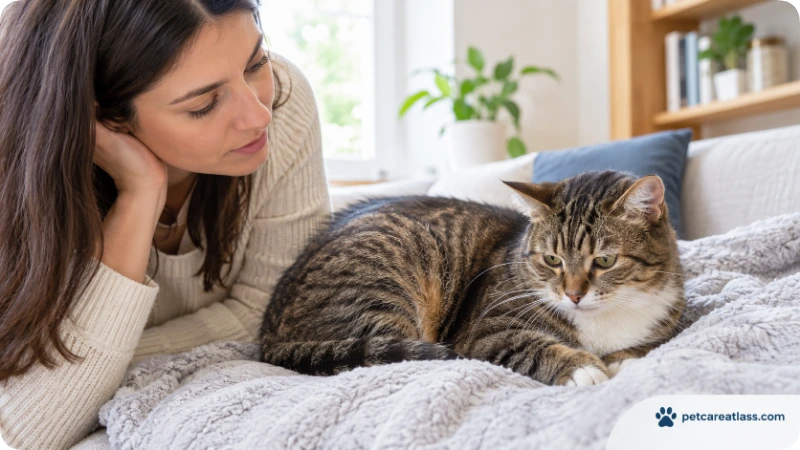
Pets cannot explain when they feel unwell, so owners need to pay attention to changes in appearance, behavior, appetite, and daily routines.
Some signs develop gradually, while others appear suddenly. A combination of symptoms can be particularly concerning, but even one unusual symptom may deserve veterinary attention.
Common Signs of Illness in Pets
Watch for the following changes:
| Sign or Symptom | Possible Meaning |
|---|---|
| Loss of appetite | Digestive issues, pain, or infection |
| Unusual tiredness | Pain, fever, or weakness |
| Vomiting | Digestive upset, infection, or toxin exposure |
| Diarrhea | Digestive problems, parasites, or infection |
| Changes in drinking | Dehydration, kidney, or metabolic problems |
| Weight loss | Poor nutrition or chronic illness |
| Hiding or unusual behavior | Stress, pain, or fear |
| Changes in breathing | Respiratory or serious health problems |
| Unusual discharge | Eye, ear, respiratory, or reproductive issues |
| Changes in bathroom habits | Urinary or digestive problems |
These symptoms do not identify a specific disease. Their significance depends on your pet’s species, age, medical history, and other signs.
Behavioral Changes You Should Not Ignore
A sick pet may behave differently before obvious physical symptoms appear.
For example, a normally active dog may stop greeting family members, while a social cat may begin hiding under furniture. A rabbit may become less interested in food, and a bird may appear unusually quiet or spend more time sitting with fluffed feathers.
Pay attention to changes such as:
- Avoiding interaction or hiding more than usual.
- Refusing favorite foods or treats.
- Sleeping or resting more than normal.
- Becoming unusually irritable when touched.
- Moving less or avoiding normal activities.
- Showing changes in vocalization or social behavior.
Behavioral changes are not always caused by illness, but sudden or persistent differences should not be dismissed as normal aging or a temporary mood.
What to Do If Your Pet Is Sick: 7 Safe Steps

If your pet seems unwell, taking a calm and organized approach can help you protect their health and give your veterinarian useful information.
1. Observe Your Pet’s Symptoms
Start by looking carefully at what has changed. Notice whether the symptoms appeared suddenly or developed over several days.
Check your pet’s:
- Appetite and interest in food.
- Water intake.
- Energy and normal activity.
- Breathing pattern.
- Walking, balance, and movement.
- Urination and bowel movements.
- Eyes, nose, mouth, skin, and coat.
Do not force your pet to cooperate with an examination if handling causes distress or pain. For birds, reptiles, and other small animals, unnecessary handling can add stress.
Write down when the symptoms started and whether they are getting better, staying the same, or becoming worse.
2. Contact Your Veterinarian
Contact your regular veterinarian when you notice unusual symptoms, even if your pet does not appear seriously ill.
Explain what you have observed and ask whether your pet needs an examination, same-day appointment, or emergency care. If your regular clinic is closed, contact a veterinary emergency hospital for advice.
Do not wait for symptoms to become severe when your pet has stopped eating, is unusually weak, or has developed new or worsening health problems.
Some animals, particularly rabbits and birds, can deteriorate quickly when they become ill. A rabbit that stops eating or producing droppings needs prompt veterinary assessment.
3. Keep Your Pet Comfortable
A quiet, comfortable environment can help reduce unnecessary stress while you arrange veterinary care.
Consider these steps:
- Provide a clean, quiet resting area.
- Keep the environment at a comfortable temperature for the species.
- Limit excessive handling and physical activity.
- Keep other animals away if they are disturbing your sick pet.
- Provide familiar bedding or a safe resting place.
- Follow any specific instructions given by your veterinarian.
Avoid overheating or chilling your pet. Temperature requirements differ considerably between mammals, birds, reptiles, amphibians, and fish.
For example, a sick reptile may need carefully controlled environmental temperatures, while a bird should be kept away from drafts and sudden temperature changes. Ask a veterinarian familiar with your pet’s species before making major habitat adjustments.
4. Provide Appropriate Access to Water and Food
Nutrition and hydration matter during illness, but what is appropriate depends on the animal and its symptoms.
Keep fresh, clean water available if your pet can drink normally. Offer its usual species-appropriate food unless your veterinarian advises otherwise.
Do not force-feed or syringe water into an animal without veterinary guidance. An animal that is weak, vomiting, struggling to swallow, or having difficulty breathing may be at risk of aspiration.
Avoid suddenly changing the diet or offering rich foods, milk, supplements, or unfamiliar treats to encourage eating.
If your pet refuses food, contact a veterinarian rather than assuming it will eat when it gets hungry. This is particularly important for rabbits, guinea pigs, and other animals that depend on regular food intake.
5. Avoid Human Medications and Home Remedies
One of the most important things to remember is that medicines intended for humans are not automatically safe for pets.
Never give your pet painkillers, cold medicine, antibiotics, or other human medication unless a veterinarian specifically instructs you to do so.
Also avoid:
- Leftover medication prescribed for another animal.
- Herbal treatments without veterinary approval.
- Essential oils used as a treatment.
- Unverified internet remedies.
- Supplements intended to treat an undiagnosed illness.
Some substances that people commonly use can be toxic to animals. Even medications that are safe for one species may be dangerous for another.
If your pet has already swallowed medication or another potentially harmful substance, contact a veterinarian or animal poison-control service immediately.
6. Monitor Changes Without Delaying Treatment
Keep track of your pet’s symptoms while following your veterinarian’s advice.
Record whether your pet:
- Starts eating or drinking normally.
- Becomes more active or remains unusually tired.
- Continues vomiting or having diarrhea.
- Develops new symptoms.
- Shows signs of pain or discomfort.
- Has changes in urination or bowel movements.
Photos or short videos can help your veterinarian understand symptoms that may not be visible during the appointment.
However, monitoring is not a substitute for treatment. If your pet becomes weaker, develops breathing problems, or shows another emergency warning sign, seek immediate veterinary care.
7. Prepare for a Veterinary Visit
If your pet needs an examination, prepare the information your veterinarian may need.
Bring or record:
- Your pet’s species, breed, age, and approximate weight.
- When the symptoms started.
- Changes in appetite, water intake, and bathroom habits.
- Current medications and supplements.
- Previous medical conditions and treatments.
- Possible exposure to toxic substances.
- Photos, videos, or samples when the veterinarian requests them.
For birds, reptiles, and fish, details about their environment can also be useful. This may include temperature, lighting, water quality, filtration, diet, and recent habitat changes.
Good preparation helps the veterinarian understand what may be affecting your pet and decide which examinations or tests are appropriate.
When Does a Sick Pet Need Emergency Veterinary Care?
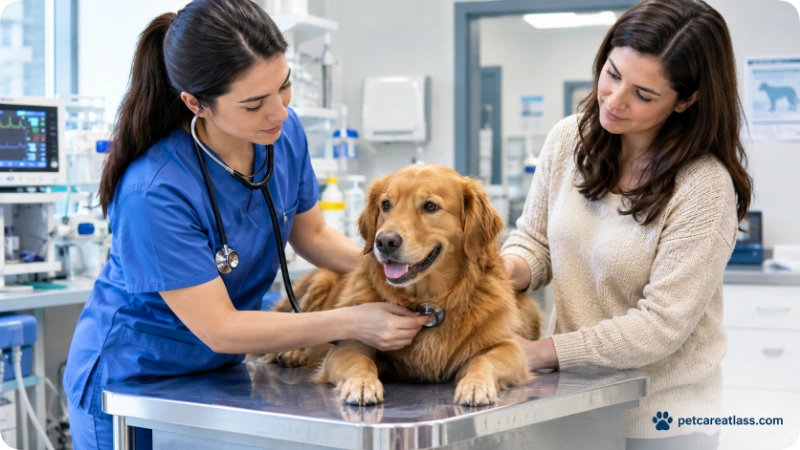
Some symptoms indicate a potentially life-threatening problem. In these situations, do not try to treat your pet at home or wait for a routine appointment.
Emergency veterinary care
Seek immediate veterinary attention if your pet experiences any of the following:
| Emergency Sign | Why It’s Serious |
|---|---|
| Difficulty breathing or gasping | Possible serious heart or lung problem |
| Seizures or repeated convulsions | Possible neurological issue or poisoning |
| Collapse or unconsciousness | May indicate a life-threatening condition |
| Severe or uncontrolled bleeding | Risk of dangerous blood loss |
| Suspected poisoning | Toxins may cause serious internal damage |
| Severe injury or broken bones | Possible internal damage or severe pain |
| Swollen abdomen with distress or retching | Possible life-threatening bloat, especially in dogs |
| Unable to urinate or repeated straining | Possible urinary blockage |
| Heat exposure with weakness or collapse | Possible heatstroke |
These warning signs require urgent assessment. Call the emergency veterinary hospital while arranging transportation, and follow its instructions.
Species-Specific Emergency Considerations
Different animals can show illness in different ways. Some species also have particular health risks that owners should recognize.
Dogs: Difficulty breathing, collapse, repeated unsuccessful retching with abdominal swelling, seizures, and suspected poisoning require urgent attention.
Cats: Difficulty breathing, collapse, severe weakness, suspected poisoning, and repeated attempts to urinate with little or no urine require immediate veterinary assessment.
Rabbits: Refusing food, producing fewer or no droppings, breathing difficulties, and severe lethargy are concerning. A rabbit that stops eating should receive prompt veterinary attention rather than being watched for several days.
Birds: Open-mouth breathing, pronounced tail bobbing with each breath, sitting on the cage floor, inability to perch, and sudden weakness are serious warning signs.
Fish: Gasping at the water surface, loss of balance, rapid breathing, and sudden widespread illness among tank inhabitants can indicate an urgent health or water-quality problem. Check water conditions and seek advice from an aquatic veterinarian.
Reptiles: Severe weakness, difficulty breathing, unusual neurological signs, and serious injuries need prompt assessment by a reptile-experienced veterinarian.
This list is not exhaustive. When in doubt, contact a veterinarian familiar with your animal’s species.
What Can You Do at Home for a Sick Pet?
Home care can support an animal while you arrange veterinary attention or follow an established treatment plan. However, it should not replace professional diagnosis or treatment.
The safest approach is to keep care simple and avoid introducing anything that could worsen the problem.
Safe Supportive Care at Home
| What You Can Do | How It Helps |
|---|---|
| Provide a quiet resting space | Reduces stress and disturbance |
| Keep fresh water accessible | Supports hydration |
| Offer familiar food | Avoids sudden diet changes |
| Maintain suitable conditions | Supports species-specific comfort |
| Keep bedding and living areas clean | Promotes hygiene |
| Observe symptoms | Helps identify concerning changes |
| Follow prescribed treatment | Supports the vet’s care plan |
What You Should Avoid Doing
Some well-intentioned actions can make an illness worse.
Avoid:
- Giving human medication without veterinary instructions.
- Forcing food or water into your pet’s mouth.
- Trying to induce vomiting after suspected poisoning.
- Applying essential oils or homemade treatments.
- Bathing a weak or distressed animal unnecessarily.
- Changing prescribed medication without consulting the veterinarian.
- Waiting several days when symptoms are persistent or worsening.
Why Do Pets Become Sick?
Pets can become ill for many reasons. Some problems develop because of infections or parasites, while others are related to nutrition, environmental conditions, injuries, or underlying medical conditions.
Understanding possible causes can help owners recognize risk factors and explain important details to a veterinarian.
1. Infections and Parasites
Bacteria, viruses, fungi, and parasites can affect different parts of an animal’s body.
Depending on the infection, a pet may develop vomiting, diarrhea, coughing, sneezing, skin problems, loss of appetite, or unusual tiredness.
Vaccination, parasite prevention, hygiene, and routine veterinary examinations can help reduce certain health risks.
2. Poor Nutrition or Dietary Changes
An unbalanced diet, inappropriate foods, sudden dietary changes, or access to spoiled food can contribute to health problems.
Different animals have different nutritional requirements. For example, rabbits need a high-fiber diet, birds require species-appropriate nutrition, and reptiles may need carefully balanced diets that account for their species and life stage.
Feed your pet an appropriate diet and discuss nutritional concerns with a veterinarian.
3. Environmental Problems
An unsuitable living environment can affect your pet’s health.
Potential problems include:
- Excessive heat or cold.
- Poor ventilation.
- Dirty bedding or enclosures.
- Unsafe household chemicals.
- Poor aquarium water quality.
- Incorrect humidity or lighting for reptiles.
- Exposure to toxic plants or substances.
Check your pet’s living conditions regularly and make sure they meet its species-specific requirements.
4. Injuries and Physical Stress
Falls, fights, accidents, rough handling, and other injuries can cause pain or internal damage.
Some injuries are immediately noticeable, while others may initially produce subtle changes in movement or behavior.
If you suspect an injury, avoid unnecessary movement and contact a veterinarian. Do not attempt to straighten broken bones or apply pressure to an injured area unless instructed by a veterinary professional.
5. Age and Underlying Health Conditions
Young animals, senior pets, and animals with existing medical conditions may need additional attention.
Age-related changes, chronic conditions, and weakened immune function can influence how an animal responds to illness.
Routine examinations help veterinarians identify potential problems and monitor changes before they become more serious.
How to Prevent Your Pet From Getting Sick
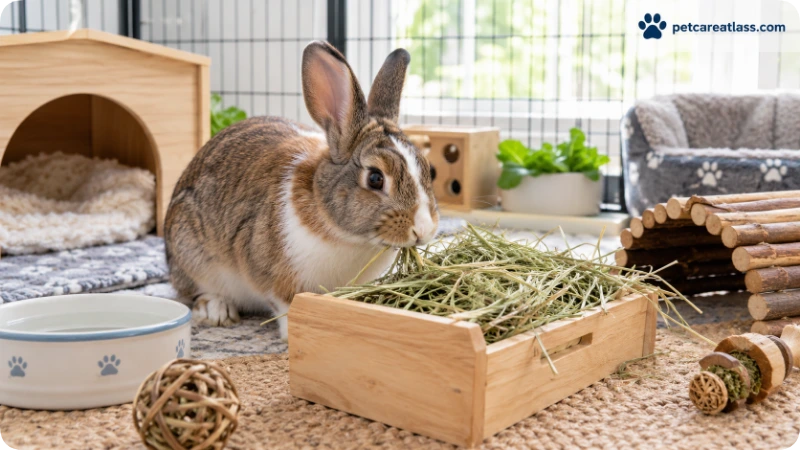
Although not every illness can be prevented, responsible everyday care can reduce several common health risks.
Follow a Consistent Preventive Care Routine
- Schedule veterinary checkups: Follow a schedule appropriate for your pet’s species, age, and medical history.
- Keep vaccinations current: Ask your veterinarian which vaccines are recommended for your animal.
- Discuss parasite prevention: Use species-appropriate prevention based on veterinary advice.
- Provide balanced nutrition: Choose food that meets your pet’s nutritional requirements.
- Maintain clean surroundings: Regularly clean food bowls, bedding, enclosures, and habitats.
- Provide suitable exercise and enrichment: Meet your pet’s physical and behavioral needs.
- Remove household hazards: Secure medications, cleaning products, toxic plants, and unsafe foods.
- Monitor daily behavior: Become familiar with your pet’s normal appetite, activity, and bathroom habits.
Prevention also means knowing what is normal for your particular animal. A small change in appetite or activity may be more significant in one species than another.
How to Prepare for Pet Illness Before It Happens
It is easier to respond to an unexpected illness when you already know where to get help.
Consider preparing a simple pet health information record that includes:
| Information to Keep | Why It Matters |
|---|---|
| Regular vet’s contact details | Makes appointments easier |
| Nearest emergency vet hospital | Helps during urgent situations |
| Vaccination history | Supports preventive care |
| Medication records | Prevents treatment confusion |
| Medical history | Provides background on past conditions |
| Pet’s age and weight | Helps with veterinary assessments |
| Poison-control contact | Provides specialist advice after exposure |
For households with multiple species, keep separate records for each animal. A treatment or dietary recommendation suitable for a dog may not be safe for a bird, rabbit, cat, or reptile.
Frequently Asked Questions
Should I Take My Pet to the Vet if They Are Not Eating?
Yes, a significant loss of appetite deserves veterinary attention, particularly when it is unusual for your pet or occurs alongside weakness, vomiting, diarrhea, or behavioral changes. The urgency depends on the species and overall condition. Rabbits and guinea pigs need especially prompt attention when they stop eating because reduced food intake can lead to serious digestive complications.
Can I Give My Sick Pet Human Medicine?
No. Never give human medication to your pet unless a veterinarian specifically recommends it. Some common painkillers and other medicines can cause poisoning or serious organ damage in animals. Medication safety also varies between species, so a product that may be prescribed for one animal should never automatically be considered safe for another.
How Can I Tell if My Pet Is Seriously Ill?
Look for breathing difficulties, collapse, seizures, severe bleeding, suspected poisoning, inability to urinate, or sudden severe weakness. These signs require immediate veterinary attention. Other changes, such as reduced appetite, hiding, vomiting, and unusual tiredness, also deserve attention, especially if they persist or worsen.
Should I Let My Sick Pet Rest?
Yes, a quiet and comfortable resting area can help reduce unnecessary stress. However, rest should not replace veterinary care. If your pet is unusually inactive, difficult to wake, struggling to breathe, or refusing food, contact a veterinarian. Avoid forcing activity or handling an animal more than necessary.
How Long Should I Wait Before Taking My Sick Pet to the Vet?
There is no single waiting period that is safe for every animal or symptom. Emergency signs require immediate care, while persistent or worsening symptoms should be discussed with a veterinarian promptly. Some species, including rabbits and birds, can become seriously ill before showing obvious symptoms, so waiting several days is not a safe general rule.
Conclusion
Knowing what to do if your pet is sick starts with recognizing unusual symptoms and responding calmly. Provide a comfortable environment, monitor important changes, avoid unapproved medications, and contact a veterinarian for appropriate guidance. Most importantly, never delay emergency care when your pet shows serious warning signs. Understanding your animal’s normal behavior and health needs can help you recognize problems earlier and make safer decisions about its care.

Daniel Brooks is a pet care and animal behavior writer at petcareatlass.com focused on helping owners better understand their pets’ behavior and everyday needs. He creates practical, easy-to-follow content on pet communication, training, welfare, and responsible care.