Quick Answer:
The average lifespan of a pet depends on its species, breed, genetics, and living conditions. Dogs typically live around 10–13 years, cats approximately 12–18 years, and rabbits about 8–12 years. Other pets, including birds, guinea pigs, hamsters, and turtles, have different life expectancies, with some living for several decades.
Pets bring companionship, joy, and comfort into our lives, but every animal has a different life expectancy. Some pets may live for only a few years, while others can remain part of a family for decades.
So, what is the average lifespan of a pet, and how does it differ between species?A pet’s lifespan depends on several factors, including its species, breed, genetics, size, diet, living environment, and quality of veterinary care.
Dogs and cats often live well into their teens, while rabbits, guinea pigs, birds, turtles, and other companion animals have their own life expectancy ranges.Whether you’re considering getting a new pet or caring for one already at home, understanding its expected lifespan can help you prepare for its long-term needs.
This guide compares how long popular pets live, explains what influences their longevity, and shares practical ways to support a healthier, longer life.
Average Lifespan of Different Types of Pets
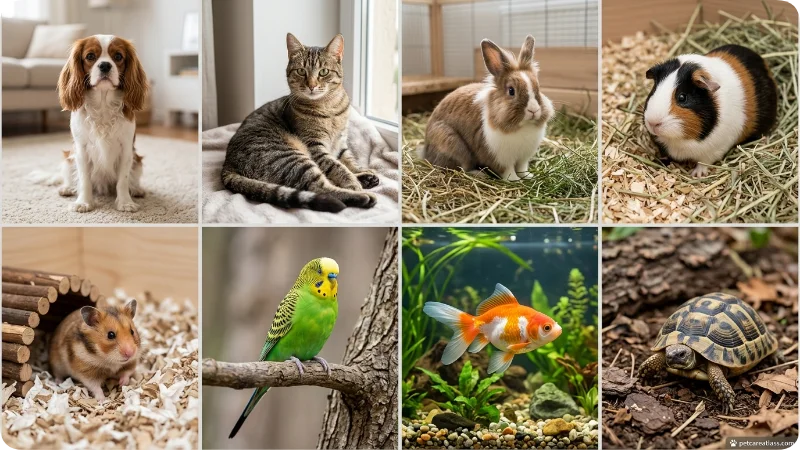
The first thing to understand about pet longevity is that there is no universal lifespan. A hamster and a parrot may both be household companions, but their expected lifespans are very different.
Some animals naturally have shorter life cycles, while others develop slowly and can live for decades. The following table provides general estimates to help prospective and current pet owners understand the differences.
Average Lifespan of Common Household Pets
| Type of pet | Typical lifespan | Important factors |
| Dogs | 10–13 years | Breed, body size, genetics, health |
| Cats | 12–18 years | Genetics, lifestyle, healthcare |
| Rabbits | 8–12 years | Diet, housing, dental health |
| Guinea pigs | 5–8 years | Nutrition, genetics, veterinary care |
| Hamsters | 2–3 years | Species, genetics, environment |
| Rats | 2–3 years | Genetics, respiratory health, care |
| Mice | 1–2 years | Genetics, environment, health |
| Ferrets | 5–9 years | Genetics, diet, preventive care |
| Chinchillas | 10–20 years | Dental health, diet, temperature |
| Small pet birds | 5–15 years | Species, nutrition, enrichment |
| Parrots | 20–60+ years | Species, genetics, long-term care |
| Aquarium fish | 2–10+ years | Species, water quality, tank conditions |
| Turtles and tortoises | 20–80+ years | Species, habitat, nutrition |
| Common pet lizards | 5–20+ years | Species, heating, lighting, diet |
| Pet snakes | 10–30+ years | Species, habitat, nutrition |
These are broad planning estimates, not guaranteed lifespans. Individual species and breeds can fall outside these ranges. Some animals, particularly parrots and tortoises, can live considerably longer.
These differences are important when choosing a pet. A small animal is not necessarily a short-term commitment, and an animal that appears easy to care for may still require specialized housing, veterinary treatment, and years of attention.
For example, a rabbit may live for around a decade, while some parrots can remain with their owners for several decades. Potential owners should consider both the animal’s daily needs and its expected lifetime before bringing it home.
How Long Do Dogs Live?

Most dogs live approximately 10–13 years, although some smaller breeds live longer and certain large or giant breeds have shorter average lifespans.
A dog’s size is one of the most important factors associated with longevity. Small dogs often live longer than large dogs, partly because larger dogs tend to age more quickly and have different health risks.
Average Lifespan by Dog Size
| Dog Size | Approx. Lifespan |
|---|---|
| Small breeds | 12–16 years |
| Medium breeds | 10–14 years |
| Large breeds | 9–12 years |
| Giant breeds | 7–10 years |
These are general estimates rather than fixed breed rules. Individual dogs may live shorter or longer lives depending on genetics, body condition, and healthcare.
What Can Help Dogs Live Longer?
Dog owners can support healthy aging through consistent daily care:
- Maintain a healthy weight: Excess body fat can contribute to health problems and affect long-term well-being.
- Provide appropriate exercise: Walking, play, and mental enrichment should match the dog’s age, breed, and physical ability.
- Schedule veterinary examinations: Regular checkups help identify health concerns and support preventive care.
- Feed a balanced diet: Choose food appropriate for the dog’s life stage and individual nutritional requirements.
- Support dental health: Regular dental care helps reduce oral health problems.
- Provide a safe environment: Protect dogs from extreme temperatures, toxins, accidents, and preventable injuries.
A senior dog may need shorter walks, more comfortable bedding, and additional veterinary monitoring. Adjusting care as a dog ages can help maintain comfort and mobility.
How Long Do Cats Live?

Cats commonly live around 12–18 years, although some reach their twenties. Indoor living, genetics, nutrition, preventive healthcare, and individual health conditions can influence how long a cat lives.
Indoor cats often avoid some outdoor hazards, including traffic injuries, fights, and exposure to certain infectious diseases. However, indoor cats still need exercise, environmental enrichment, appropriate nutrition, and regular veterinary attention.
Indoor Cats vs. Outdoor Cats
| Factor | Indoor Cats | Outdoor-Access Cats |
|---|---|---|
| Traffic risk | Generally lower | Higher |
| Animal fights | Generally lower | Higher |
| Disease exposure | Often lower | Can be higher |
| Stimulation | Needs indoor enrichment | More outdoor stimulation |
| Safety | Easier to manage | Needs extra precautions |
| Lifespan | Often longer | Can be shorter |
This is a general comparison, not a guarantee. Outdoor access does not automatically determine an individual cat’s lifespan.
How to Support a Cat’s Longevity
- Feed a complete and balanced cat food suitable for its age and health.
- Maintain a healthy body weight.
- Provide clean drinking water and encourage hydration.
- Schedule regular veterinary checkups.
- Keep vaccinations and parasite prevention appropriate to veterinary advice.
- Provide scratching surfaces, climbing opportunities, and interactive play.
- Monitor changes in appetite, drinking, litter-box habits, and behavior.
Cats can hide signs of discomfort, so changes in normal behavior deserve attention. A sudden change in eating habits, unexplained weight loss, or difficulty urinating should not be dismissed as normal aging.
How Long Do Rabbits and Other Small Pets Live?
Small pets are often considered suitable for beginners because of their size. However, their care requirements and lifespans vary considerably.
Rabbits, guinea pigs, hamsters, rats, and chinchillas should not be treated as interchangeable pets. Each animal has different dietary, housing, social, and healthcare needs.
Lifespan of Popular Small Pets
| Small Pet | Typical Lifespan | Key Care Needs |
|---|---|---|
| Rabbit | 8–12 years | High-fiber diet, space, dental care |
| Guinea pig | 5–8 years | Vitamin C, companionship, proper housing |
| Hamster | 2–3 years | Suitable enclosure and gentle handling |
| Rat | 2–3 years | Social enrichment, respiratory health |
| Mouse | 1–2 years | Proper housing and social needs |
| Chinchilla | 10–20 years | Cool environment, dental care |
| Gerbil | 2–5 years | Deep bedding and enrichment |
Why Do Small Pets Have Different Lifespans?
Their body size alone does not determine how long they live. Genetics, species biology, health conditions, and environmental requirements all contribute.
For example:
- Hamsters generally have relatively short lifespans, often around two to three years.
- Guinea pigs can live several years and need consistent vitamin C in their diet.
- Rabbits can become long-term family companions and need appropriate dental and digestive care.
- Chinchillas can live much longer than many people expect and require a carefully controlled environment.
One common mistake is assuming that small pets need only a small cage and minimal attention. Their physical and behavioral needs should always guide their housing and daily care.
How Long Do Pet Birds Live?
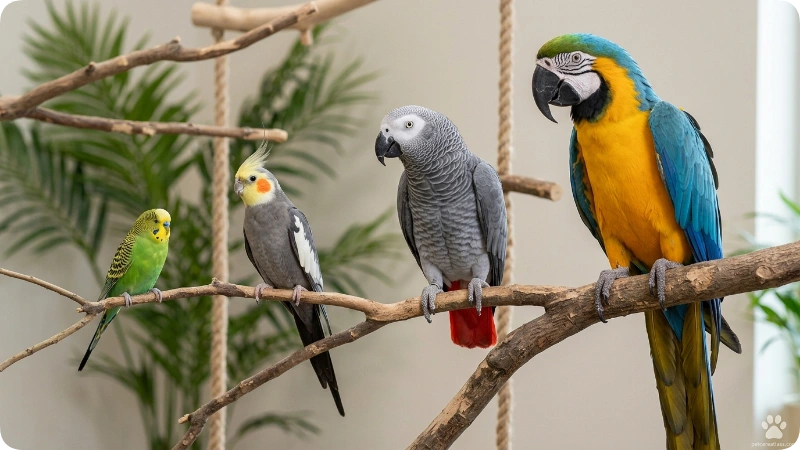
Bird lifespans vary enormously depending on species. Some small pet birds live around 5–15 years, while larger parrots may live for several decades.
This makes bird ownership a particularly important long-term decision. Some parrots may outlive their original owners, so their future care arrangements should be considered before adoption.
Average Lifespan of Popular Pet Birds
| Bird Species | Approx. Lifespan |
|---|---|
| Budgerigar (Budgie) | 5–10 years |
| Cockatiel | 10–20 years |
| Lovebird | 10–15 years |
| Conure | 15–30 years |
| African grey parrot | 40–60 years |
| Amazon parrot | 25–50 years |
| Macaw | 30–60+ years |
| Cockatoo | 30–60+ years |
These ranges vary by species, individual health, and living conditions.
What Influences a Bird’s Lifespan?
Birds need much more than a cage, seeds, and occasional interaction.
Important care requirements include:
- A nutritionally appropriate diet rather than an all-seed diet.
- Sufficient space for movement and species-appropriate flight opportunities.
- Daily mental stimulation and suitable toys.
- Regular social interaction and attention.
- Appropriate veterinary care from an avian veterinarian.
- Protection from toxic fumes, unsafe household products, and environmental hazards.
Bird owners should also understand that social and enrichment needs differ between species. A care routine suitable for a budgie may not meet the needs of a large parrot.
How Long Do Fish, Reptiles, and Amphibians Live?
Fish, reptiles, and amphibians have some of the widest lifespan differences among companion animals. Their longevity depends heavily on species and whether their specialized environmental requirements are met.
Lifespan of Fish and Less Commonly Kept Pets
| Animal | Approx. Lifespan |
|---|---|
| Betta fish | 2–5 years |
| Guppies | 2–3 years |
| Goldfish | 10–20+ years |
| Koi fish | 20–30+ years |
| Leopard gecko | 10–20 years |
| Bearded dragon | 8–15 years |
| Corn snake | 15–20 years |
| Ball python | 20–30 years |
| Box turtle | 30–50+ years |
| Some tortoises | 50–100+ years |
| Common pet frogs | 5–15+ years |
These examples are species-dependent estimates. The term “reptile” or “fish” is too broad to assign one reliable average lifespan.
Fish Lifespan: Why Aquarium Conditions Matter
A fish’s lifespan depends on more than the type of food it receives.
Important factors include:
- Appropriate aquarium size.
- Stable water temperature.
- Suitable filtration.
- Correct water chemistry.
- Appropriate stocking levels.
- Species-compatible tank mates.
- Regular water-quality monitoring.
Goldfish, for example, can live considerably longer than many new owners expect when provided with suitable conditions. Keeping them in an unsuitable, overcrowded aquarium can compromise their health.
Reptile and Amphibian Lifespan
Reptiles and amphibians have specialized environmental requirements that can directly affect their health.
Depending on the species, they may require:
- Correct temperature gradients.
- Appropriate humidity levels.
- Species-specific UVB lighting.
- Suitable substrates and hiding areas.
- A balanced diet and appropriate supplementation.
- Access to a specialized animal veterinarian.
Tortoises deserve particular consideration because some species live for many decades. Their long lifespan makes them a substantial lifetime responsibility rather than a temporary household pet.
What Factors Affect a Pet’s Average Lifespan?
Although genetics and species biology play major roles, a pet’s environment and everyday care can also influence its health and longevity.
Understanding these factors helps owners make better decisions throughout their animal’s life.
1. Genetics and Breed
Genetics can influence an animal’s susceptibility to inherited conditions, physical characteristics, and overall longevity.
For example, dog breeds differ in average lifespan, and some purebred animals have inherited health risks. Mixed-breed dogs may benefit from greater genetic diversity, although this does not guarantee a longer life.
2. Diet and Nutrition
A balanced diet provides the nutrients animals need to maintain normal body functions, support growth, and remain healthy.
Different species have different nutritional requirements. A diet suitable for a dog may be harmful to a rabbit, and feeding a parrot only seeds may not provide appropriate nutrition.
Owners should consider:
- Species-specific nutritional requirements.
- Appropriate food portions.
- Age and activity level.
- Access to clean drinking water.
- Any dietary changes recommended by a veterinarian.
3. Veterinary Care
Preventive veterinary care can help identify health problems before they become more serious.
Depending on the animal, this may include routine examinations, vaccinations, parasite prevention, dental assessments, and age-appropriate screening.
Some less commonly kept pets may need veterinarians with specialized experience because their medical needs can differ considerably from those of dogs and cats.
4. Exercise and Mental Stimulation
Physical activity helps many pets maintain a healthy body condition, while mental enrichment supports natural behaviors and reduces boredom.
Examples include:
- Daily walks and interactive play for dogs.
- Climbing structures and puzzle feeders for cats.
- Digging opportunities and safe exploration for rabbits.
- Toys and foraging activities for birds.
- Species-appropriate swimming and environmental enrichment for aquatic animals.
Exercise should always match the animal’s species, age, and physical abilities.
5. Living Environment
A suitable environment supports an animal’s physical and behavioral well-being.
Poor housing conditions, extreme temperatures, overcrowding, inadequate hygiene, and inappropriate handling can create health and welfare problems.
For example, reptiles need suitable temperature and lighting conditions, while fish require appropriate water quality and aquarium conditions.
6. Weight and Body Condition
Maintaining a healthy body condition is an important part of responsible pet ownership.
Excessive weight can increase health risks and affect mobility. Owners should monitor their pets’ weight and discuss appropriate feeding and exercise plans with a veterinarian.
Do Indoor Pets Live Longer Than Outdoor Pets?
In some species, particularly cats, indoor living can reduce exposure to certain preventable hazards.
Outdoor animals may encounter traffic, predators, fights, infectious diseases, parasites, and environmental toxins. However, an indoor environment must still provide adequate space, activity, stimulation, and species-appropriate care.
The answer also depends on the animal.
For example, a properly maintained indoor aquarium may be suitable for certain fish, while some birds and reptiles need carefully designed enclosures that reproduce important aspects of their natural environment.
The goal should not simply be to keep a pet indoors or outdoors. It should be to provide a safe, enriching environment that meets that particular animal’s needs.
How Can You Help Your Pet Live a Longer, Healthier Life?
No owner can control every factor affecting an animal’s lifespan. However, consistent care can support better health and quality of life.
Here are practical habits that can make a difference.
Follow a Species-Appropriate Diet
Avoid assuming that all pets can eat similar foods. Research your animal’s nutritional needs and choose an appropriate diet.
For animals with specialized dietary requirements, ask a qualified veterinarian for guidance.
Keep Up With Preventive Veterinary Visits
Do not wait until an animal becomes seriously unwell before seeking veterinary attention.
Routine examinations can help monitor weight, dental health, mobility, and other aspects of physical condition.
Maintain a Healthy Weight
Measure food portions where appropriate and avoid excessive treats.
If you notice unexplained weight gain or loss, discuss it with your veterinarian rather than making major dietary changes without guidance.
Provide Daily Enrichment
Pets need opportunities to express natural behaviors.
Dogs may benefit from walks and sniffing activities, cats from climbing and hunting-style play, and birds from foraging and suitable social interaction.
Make the Environment Safe
Remove or secure potential hazards such as toxic plants, unsafe cleaning products, exposed electrical wires, and inappropriate foods.
Check that cages, aquariums, enclosures, and outdoor areas meet the requirements of the species.
Pay Attention to Changes in Behavior
Changes in appetite, activity, grooming, movement, drinking, or social interaction can sometimes indicate an underlying health problem.
Older pets may need additional monitoring, but new symptoms should not automatically be attributed to aging.
When Is a Pet Considered a Senior?
There is no single age when every animal becomes a senior. Aging depends on species, breed, body size, and individual health.
A small dog may remain active into its senior years, while a giant-breed dog may experience age-related changes much earlier.
Cats commonly enter their senior years around 10–11 years of age, although individual aging varies. Small mammals, birds, and reptiles have their own aging patterns.
As pets grow older, owners may notice:
- Reduced activity or stamina.
- Changes in sleeping habits.
- Stiffness or difficulty jumping.
- Changes in appetite or body weight.
- Dental problems.
- Changes in vision or hearing.
- Increased need for comfortable resting areas.
These changes deserve attention rather than being dismissed as an unavoidable part of aging.
Older animals may benefit from more frequent veterinary monitoring, adjusted exercise, easier access to food and water, and comfortable resting spaces.
What Should You Consider Before Choosing a Long-Lived Pet?
A pet’s lifespan should be an important part of your ownership decision. Choosing an animal involves more than considering its appearance, personality, or purchase price.
Think about the following questions before bringing a new companion home.
Can you provide long-term care?
Consider whether your housing, work schedule, family responsibilities, and future plans can accommodate the animal’s expected lifespan.
Can you afford its ongoing needs?
Food, housing, veterinary examinations, emergency treatment, enrichment, and specialized equipment can create long-term expenses.
Does the animal suit your experience level?
Some animals need specialized care that beginners may underestimate. Parrots, reptiles, and certain fish can require extensive preparation and knowledge.
What happens if your circumstances change?
Consider who could provide appropriate care if you move, become unable to look after the animal, or experience another major life change.
Is the animal’s lifespan compatible with your expectations?
A hamster may be a shorter-term commitment, while a tortoise or large parrot may require planning for several decades.
Responsible pet ownership means being prepared for the entire life of the animal, not just the excitement of bringing it home.
Frequently Asked Questions
1. What is the average lifespan of a household pet?
There is no single average for household pets. Dogs commonly live 10–13 years, cats around 12–18 years, rabbits around 8–12 years, and hamsters around 2–3 years. Birds, reptiles, and fish have species-specific lifespans.
2. Which common pet lives the longest?
Some parrots and tortoises are among the longest-lived companion animals. Certain species can live for 50 years or longer, and some tortoises may live for more than a century.
3. Which household pets have the shortest lifespans?
Hamsters, mice, and some other small rodents generally have shorter lifespans than dogs, cats, and larger companion animals. Mice commonly live around 1–2 years, while hamsters often live approximately 2–3 years.
4. Do mixed-breed pets live longer than purebred pets?
Some studies suggest that mixed-breed dogs may have a longevity advantage over certain purebred dogs. However, genetics, inherited conditions, body size, healthcare, and individual health all influence lifespan. Being mixed-breed does not guarantee a longer life.
5. Can proper nutrition help a pet live longer?
Appropriate nutrition supports normal growth, body condition, and overall health. Feeding a balanced diet that meets the animal’s species-specific needs can help prevent nutritional problems, but it cannot guarantee a longer lifespan.
6. Do pets live longer when they receive regular veterinary care?
Regular veterinary care helps monitor health, identify potential problems, and provide preventive treatment when appropriate. It supports better health management, although it cannot prevent every illness or guarantee a particular lifespan.
7. How do I know if my pet is getting old?
Age-related changes may include reduced activity, stiffness, changes in sleeping patterns, and altered appetite or mobility. However, these signs can also indicate treatable health conditions. A veterinarian can help distinguish normal aging from medical problems.
Conclusion
The average lifespan of a pet depends primarily on its species, genetics, health, and living conditions. While dogs and cats can often share a home with their families for well over a decade, smaller animals may have shorter lifespans, and certain birds and reptiles can live for several decades.
Before choosing a pet, consider how long it may live and whether you can meet its needs throughout that period. Provide appropriate nutrition, suitable housing, regular veterinary care, daily enrichment, and a safe environment.
Every animal deserves a comfortable and healthy life, regardless of how many years it lives. Responsible ownership means making decisions that support your pet’s well-being at every stage of life.

Daniel Brooks is a pet care and animal behavior writer at petcareatlass.com focused on helping owners better understand their pets’ behavior and everyday needs. He creates practical, easy-to-follow content on pet communication, training, welfare, and responsible care.