Quick Answer:
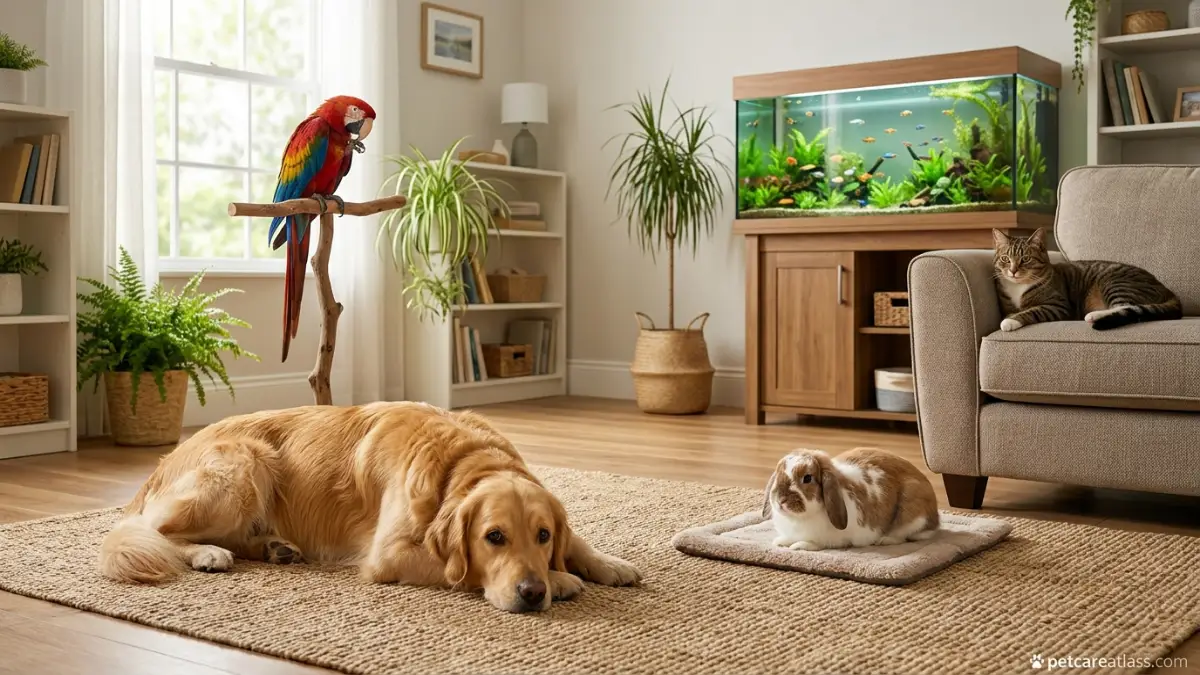
To make a pet happy, provide nutritious food, fresh water, regular exercise, mental stimulation, affection, and a safe living environment. Spend quality time together, offer suitable toys, maintain a consistent routine, and arrange regular veterinary checkups. Most importantly, understand your pet’s species-specific needs, recognize their body language, and respect their individual preferences.
Pets need more than food, water, and shelter to live a happy and healthy life. They also need attention, exercise, mental stimulation, affection, and a safe environment where they feel comfortable.
Whether you have a dog, cat, rabbit, bird, or another companion animal, understanding their individual needs can make a meaningful difference in their overall well-being.Learning how to make a pet happy starts with recognizing what makes your particular animal feel safe, active, and content.
Some pets enjoy interactive games and physical activities, while others prefer quiet spaces, gentle attention, or opportunities to explore. Simple daily habits can strengthen your bond, support good health, and prevent boredom.
In this guide, you’ll discover 10 practical ways to keep your pet happy, comfortable, mentally stimulated, and healthy throughout every stage of life.
Understand Your Pet’s Individual Needs
One of the most important ways to make a pet happy is to understand that every animal has different physical, social, and emotional needs.
A dog’s happiness may depend on daily walks, sniffing opportunities, playtime, and companionship. A cat may prefer climbing, scratching, exploring, and having quiet places to retreat. Rabbits need opportunities to hop, dig, chew, forage, and interact with compatible companions.
Even animals belonging to the same species can have different personalities. One cat may enjoy being around people, while another prefers occasional interaction. Some dogs love playing fetch, whereas others enjoy exploring new smells.
Before introducing new activities or changing your pet’s routine, consider:
- Species: What behaviors does your animal naturally need to perform?
- Age: Does your pet need activities suitable for a puppy, adult, or senior animal?
- Personality: Does it enjoy active play, gentle interaction, or independent exploration?
- Health: Are there physical limitations that affect its activity or comfort?
- Environment: Does its living space provide enough room, privacy, and stimulation?
Understanding these differences helps you avoid assuming that every pet enjoys the same activities.
Provide a Safe, Comfortable Living Environment
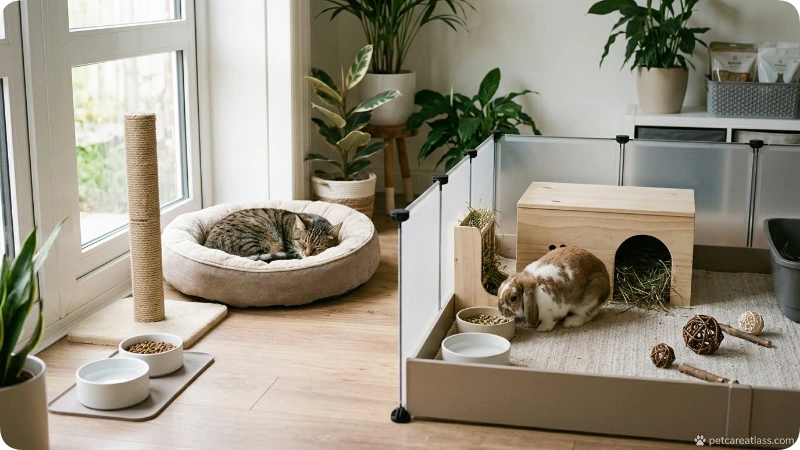
Your pet’s surroundings have a major influence on its daily comfort and well-being. An animal that has enough space, suitable shelter, comfortable resting areas, and opportunities to explore is more likely to feel secure.
Start by making sure your pet has a clean, species-appropriate living environment.
Consider providing:
- A comfortable sleeping or resting area.
- Fresh air and suitable temperature conditions.
- Clean food and water containers.
- Enough space to move and exercise.
- Safe hiding or retreating places.
- Appropriate bedding or flooring.
- Protection from household hazards and extreme weather.
Different animals need different types of environments. For example, cats benefit from elevated resting areas and scratching surfaces, while rabbits need secure spaces where they can move, hide, and explore.
Birds require suitable cage dimensions, perches, and opportunities for supervised activity outside their enclosure when appropriate. Fish need a properly maintained aquarium with suitable water conditions, filtration, and enough space for their species.
Why it matters: A comfortable environment gives pets more control over their surroundings. They can rest when tired, explore when curious, and retreat when they need privacy.
Feed Your Pet a Healthy, Species-Appropriate Diet

Good nutrition supports your pet’s physical health and contributes to its overall quality of life. However, feeding an animal more food or giving it frequent treats does not necessarily make it happier.
Every species has different nutritional requirements. Dogs and cats need appropriately formulated diets, rabbits require a diet centered on grass hay, and birds need balanced nutrition suited to their species.
Fish and reptiles also have specific dietary requirements that depend on their species, age, and natural feeding habits.
Follow these basic feeding practices:
- Choose food formulated for your pet’s species and life stage.
- Provide suitable portions rather than allowing uncontrolled overeating.
- Maintain access to clean drinking water where appropriate.
- Introduce dietary changes gradually when recommended.
- Use treats in moderation.
- Avoid foods that may be toxic or unsuitable for your animal.
For example, dogs should not routinely receive chocolate, grapes, raisins, or foods containing xylitol. Cats have nutritional requirements that differ from dogs, so a dog food diet is not an appropriate substitute for complete cat food.
Rabbits need constant access to suitable hay, while their pellets and leafy greens should be selected according to their dietary needs.
Remember that a healthy diet is not just about preventing hunger. It also supports energy, normal body functions, and long-term well-being.
Give Your Pet Regular Exercise and Physical Activity
Physical activity helps pets maintain healthy bodies and provides opportunities to explore their surroundings.
However, exercise should match your pet’s species, age, health, and physical abilities. A young, energetic dog may enjoy longer walks and interactive games, while an older dog may benefit from shorter, gentler activities.
Here are some examples:
- Dogs: Walks, sniffing activities, fetch, appropriate swimming, and supervised outdoor exploration.
- Cats: Interactive wand toys, climbing structures, chasing games, and opportunities to explore.
- Rabbits: Safe exercise areas, tunnels, hopping opportunities, and supervised exploration.
- Birds: Flight opportunities where appropriate, climbing, movement, and interactive activities.
- Fish: A suitable aquarium with enough swimming space and an environment designed for their species.
- Reptiles: Appropriate habitat space, climbing structures, basking areas, and opportunities to move naturally.
Do not force an animal to exercise when it appears tired, frightened, uncomfortable, or physically unable to continue.
The goal is to provide enjoyable movement rather than exhausting your pet.
Keep Your Pet Mentally Stimulated With Enrichment
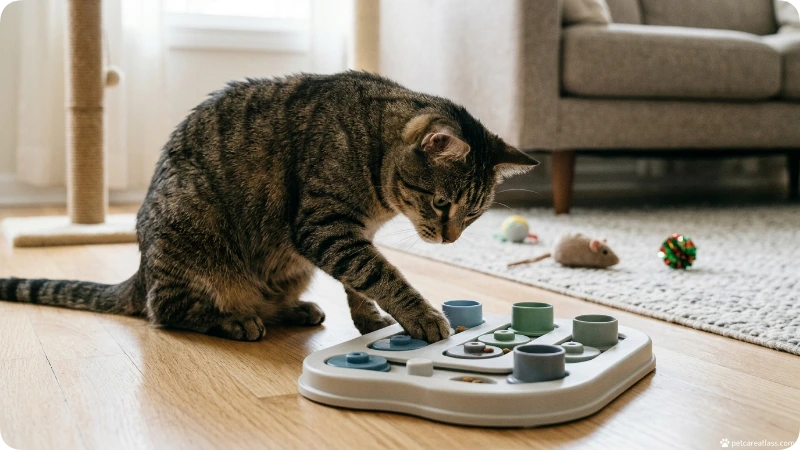
Physical exercise is important, but pets also need activities that engage their minds and senses.
This is where environmental enrichment becomes useful. Environmental enrichment means providing activities, objects, and surroundings that encourage animals to explore, investigate, play, solve problems, and perform natural behaviors.
Without enough stimulation, some pets may become bored or frustrated. They might develop unwanted behaviors, such as excessive barking, destructive chewing, or repetitive activity.
Try these enrichment ideas:
dogs
- Hide small portions of their daily food around a safe room.
- Introduce suitable puzzle feeders.
- Offer supervised sniffing activities.
- Teach simple commands using reward-based training.
- Rotate safe toys to maintain interest.
cats
- Use wand toys to encourage interactive play.
- Provide scratching posts and climbing structures.
- Hide small amounts of food for supervised searching.
- Offer cardboard boxes and suitable exploration areas.
- Rotate toys rather than leaving every toy available all the time.
rabbits
- Provide cardboard tunnels and hiding boxes.
- Offer suitable digging opportunities.
- Hide hay or appropriate food in safe foraging toys.
- Provide rabbit-safe chewing materials.
birds
- Offer appropriate foraging opportunities.
- Introduce safe toys designed for their species.
- Provide suitable materials for natural exploration.
- Rotate enrichment items carefully.
fish and reptiles
Enrichment means more than adding decorative objects. Provide an appropriate habitat with species-suitable structures, hiding areas, and opportunities for natural movement and exploration.
The RSPCA emphasizes that enrichment should encourage natural behavior while remaining safe and appropriate for the animal.
Spend Quality Time and Build a Strong Bond
Many companion animals benefit from positive interactions with their owners. Spending quality time together can build trust, improve communication, and help you understand your pet’s personality.
However, quality time does not always mean holding, hugging, or physically touching an animal.
You can strengthen your relationship by:
- Playing games your pet enjoys.
- Offering gentle attention when it welcomes interaction.
- Speaking calmly around your animal.
- Teaching simple behaviors using positive reinforcement.
- Sitting nearby without demanding attention.
- Providing opportunities for supervised exploration together.
For example, a cat may feel comfortable sitting beside you without wanting to be picked up. A rabbit may enjoy exploring around your feet more than being held.
Learn to recognize when your pet wants interaction and when it prefers to be left alone.
Remember: A strong bond develops through trust and consistent positive experiences, not through forcing physical affection.
Maintain a Consistent Daily Routine
Pets often feel more comfortable when their daily needs are met through a predictable routine.
A consistent schedule can help animals anticipate important activities, including feeding, exercise, playtime, cleaning, and rest.
For example, a dog’s day might include a morning walk, breakfast, a period of rest, afternoon enrichment, and evening interaction.
Cats may benefit from predictable feeding times, interactive play sessions, and undisturbed sleeping areas. Other species also need consistent feeding, cleaning, lighting, and habitat-maintenance routines appropriate to their needs.
| Daily Activity | Why It Matters | Practical Example |
|---|---|---|
| Feeding | Supports nutrition and routine | Serve suitable meals at set times |
| Exercise | Supports physical health | Walk, hop, climb, or move safely |
| Playtime | Encourages natural behaviors | Use interactive toys and safe activities |
| Social interaction | Builds companionship | Spend relaxed, positive time together |
| Rest | Supports recovery and relaxation | Provide quiet, comfortable spaces |
| Cleaning | Maintains hygiene | Clean food bowls and habitats |
A routine should not become so rigid that your pet has no choice or flexibility. Animals still need opportunities to explore, rest, and make decisions.
Learn Your Pet’s Happiness and Stress Signals
Pets cannot explain their feelings using words, but they communicate through body language, behavior, movement, and vocalizations.
Learning these signals helps you recognize when your pet is comfortable and when something may be bothering it.
Some common signs of comfort include:
- Relaxed body posture.
- Normal eating and drinking habits.
- Interest in appropriate play or exploration.
- Comfortable resting behavior.
- Willingness to interact.
- Normal grooming and species-specific activities.
Signs of possible stress or discomfort may include:
- Hiding more than usual.
- Repeated attempts to escape interaction.
- Unusual aggression or defensive behavior.
- Reduced interest in food.
- Excessive vocalization.
- Repetitive movements.
- Changes in normal sleeping or activity patterns.
These signs are not universal. For example, a rabbit hiding is not automatically unhappy because rabbits naturally use hiding places to feel secure. A cat purring may be relaxed, but purring can also occur in other situations.
Look at the whole behavior, the surrounding situation, and any changes from your pet’s normal habits.
If an unusual behavior continues or occurs alongside appetite changes, pain, breathing difficulties, weakness, or other concerning symptoms, contact a veterinarian rather than assuming your pet is simply unhappy.
Give Your Pet Appropriate Social Interaction and Companionship
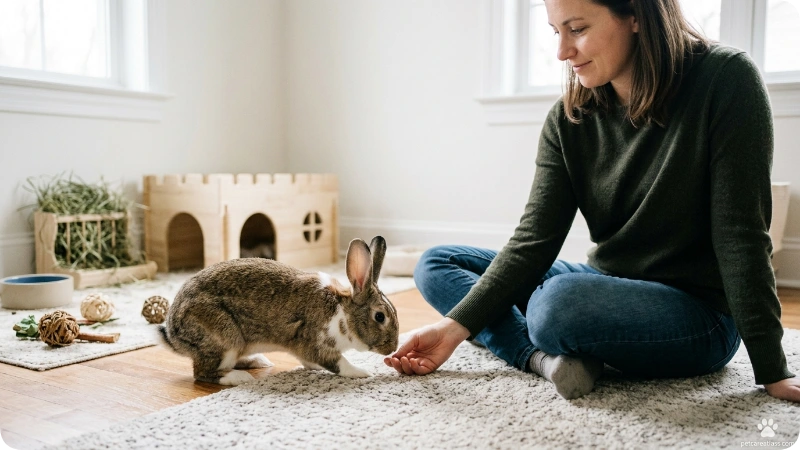
Different animals have different social needs. Some enjoy regular interaction with people, some need compatible companions of their own species, and others prefer more independent lifestyles.
Understanding these differences is essential when deciding how much companionship your pet needs.
| Pet Type | Social Needs | Helpful Approach |
|---|---|---|
| Dogs | Often benefit from human and suitable dog interactions | Provide companionship, walks, and social opportunities |
| Cats | Range from highly social to independent | Respect preferences and interact when welcomed |
| Rabbits | Usually benefit from compatible rabbit companionship | Consider a properly bonded companion |
| Birds | Many species need regular social interaction | Provide attention and species-specific companionship |
| Fish | Social needs vary by species | Keep compatible fish in suitable groups or alone when appropriate |
| Reptiles | Many species are naturally solitary | Avoid unnecessary cohabitation and territorial stress |
One important example is rabbits. They are social animals, and human attention does not necessarily replace the companionship of a compatible rabbit. Proper introductions and bonding are important because unfamiliar rabbits may fight.
Never introduce another animal simply because you assume your pet is lonely. Check compatibility, space requirements, health considerations, and the species’ natural social behavior first.
Protect Your Pet’s Health, Safety, and Comfort
A pet cannot enjoy life fully if it is uncomfortable, experiencing untreated pain, or living in an unsafe environment.
Responsible care means looking after your animal’s health as well as providing affection and entertainment.
Important habits include:
- Arrange routine veterinary checkups.
- Follow appropriate vaccination and parasite-prevention guidance.
- Maintain dental and grooming care when needed.
- Keep the living environment clean.
- Provide suitable identification where appropriate.
- Remove poisonous plants, chemicals, and dangerous household objects.
- Use species-appropriate toys and equipment.
- Monitor changes in appetite, movement, behavior, and body condition.
Different pets have different veterinary needs. Dogs and cats may require routine vaccinations and preventive care, while birds, reptiles, and other unfamiliar pets may need veterinarians experienced with their species.
Do not wait for a serious problem before seeking veterinary advice. Early attention to unusual changes can help identify potential health concerns.
How to Make Different Types of Pets Happy
Although all companion animals need appropriate care, their happiness depends on species-specific requirements. A solution that works for a dog may not be suitable for a fish, bird, or reptile.
The following comparison helps you understand what to prioritize for different pets.
| Pet | What Supports Happiness? | What to Avoid |
|---|---|---|
| Dogs | Exercise, sniffing, training, play, and companionship | Long periods without activity or interaction |
| Cats | Scratching, climbing, hiding, hunting-style play, and choice | Forced handling and missing resources |
| Rabbits | Hay, space, digging, hiding, foraging, and companionship | Small, barren spaces |
| Birds | Social interaction, movement, foraging, and safe toys | Isolation and unsuitable cages |
| Fish | Clean water, stable tank conditions, and enrichment | Overcrowding and incompatible tankmates |
| Reptiles | Proper temperature, lighting, humidity, shelter, and habitat | Poor environmental conditions and unnecessary handling |
The most important principle is to research the needs of your particular species rather than relying on general pet-care advice.
Simple Daily Activities That Can Make Your Pet Happier
You don’t have to spend your entire day entertaining your pet. A few suitable activities throughout the day can provide opportunities for exercise, mental stimulation, and positive interaction.
Here are some practical ideas you can incorporate into your routine.
| Activity | Suitable Pets | Potential Benefit |
|---|---|---|
| Food puzzles | Dogs, cats, some birds | Encourages problem-solving and foraging |
| Sniffing games | Dogs | Provides mental stimulation |
| Wand-toy play | Cats | Encourages stalking and chasing |
| Digging boxes | Rabbits | Supports natural digging |
| Climbing activities | Cats, suitable birds | Encourages movement and exploration |
| Training sessions | Dogs, cats, some birds | Builds communication and positive interaction |
| Habitat exploration | Fish, reptiles | Provides species-specific stimulation |
Introduce new activities gradually. Watch how your pet responds, and remove anything that causes fear, frustration, or potential injury.
For example, a puzzle feeder should be suitable for your pet’s size and feeding habits. A toy with loose parts, sharp edges, or materials that can be swallowed is not an appropriate enrichment choice.
Common Mistakes That Can Make Pets Unhappy
Sometimes owners unintentionally make their pets uncomfortable because they assume that animals enjoy the same things people do.
Understanding these mistakes can help you provide better care.
| Common Mistake | Why It Can Be a Problem | Better Approach |
|---|---|---|
| Giving too many treats | May cause nutritional imbalance and weight gain | Offer treats in moderation |
| Forcing cuddles | Can cause fear or discomfort | Let your pet choose contact |
| Ignoring mental stimulation | May lead to boredom and frustration | Provide suitable enrichment |
| Unsuitable living spaces | Restrict natural movement and behavior | Provide species-appropriate housing |
| Sudden animal introductions | May cause fear, conflict, or injury | Check compatibility and introduce gradually |
| Ignoring behavior changes | May overlook stress, discomfort, or illness | Monitor patterns and seek vet advice when needed |
| Using unsuitable toys | May cause choking or injury | Choose safe, suitable toys |
Another common mistake is assuming that an expensive toy or accessory automatically improves an animal’s quality of life. In many cases, a clean cardboard box, a safe digging area, or a supervised exploration activity may provide more meaningful enrichment.
The best choice is the one that safely meets your individual pet’s needs.
How Can You Tell If Your Pet Is Truly Happy?
A happy pet does not necessarily have to be energetic, playful, or constantly seeking attention. Some animals are naturally quiet, independent, or less active than others.
Instead of looking for one specific behavior, observe your pet’s overall condition and daily habits.
A pet that feels comfortable may:
- Eat and drink normally for its species.
- Show interest in familiar activities.
- Explore its environment when appropriate.
- Rest comfortably.
- Maintain normal grooming habits.
- Interact willingly when it enjoys company.
- Display its usual species-specific behaviors.
You should also pay attention to changes. An animal that suddenly stops playing, hides more frequently, eats less, or avoids normal activities may be experiencing stress or a health problem.
Important: Happiness cannot be judged through body language alone. A relaxed-looking animal may still have an underlying health issue. Veterinary assessment is important when you notice persistent or concerning changes.
A Simple Pet Happiness Checklist
Use this checklist to review whether your pet’s everyday needs are being met.
- My pet receives an appropriate, balanced diet.
- Fresh, clean water is available as needed.
- My pet has a comfortable and secure living space.
- The environment provides enough room for natural movement.
- My pet receives suitable physical and mental stimulation.
- I provide appropriate social interaction and companionship.
- My pet has opportunities to rest without disturbance.
- I respect its body language and personal boundaries.
- Its toys, food, and surroundings are safe.
- I monitor its behavior and arrange veterinary care when needed.
You don’t need to make every day exciting or fill your pet’s environment with toys. Consistently meeting its needs is much more important than occasional expensive activities.
Frequently Asked Questions
1. What makes a pet happiest?
Pets are generally better supported when their physical, social, and behavioral needs are met. Appropriate food, clean water, comfortable housing, enrichment, exercise, companionship, and healthcare all contribute to their well-being.
2. How can I make my pet happy at home?
Create a safe and comfortable environment with suitable resting areas, toys, enrichment activities, and opportunities for natural behaviors. Spend positive time with your pet and maintain a consistent daily care routine.
3. Do pets get bored when left alone?
Some pets can become bored, lonely, or stressed when left without suitable stimulation or companionship. However, their needs vary by species and individual personality. Provide appropriate enrichment and consider how long your particular animal can comfortably be alone.
4. Can I make my pet happy without buying expensive toys?
Yes. Many enrichment activities can be inexpensive. For example, dogs can enjoy supervised sniffing games, cats can play with suitable homemade toys, and rabbits can explore cardboard tunnels and safe digging boxes. Always check that homemade items are appropriate and cannot cause injury.
5. How much attention does a pet need every day?
There is no single amount that works for every pet. Dogs, cats, birds, rabbits, fish, and reptiles have different social and environmental requirements. Consider your animal’s species, age, health, and personality when planning daily interaction.
6. Can too much attention make a pet unhappy?
Yes. Constant handling, unwanted touching, or interrupting an animal’s rest can cause stress. Give your pet opportunities to interact, explore independently, and retreat to a quiet place whenever it wants.
7. What should I do if my pet seems unhappy?
First, observe changes in eating, drinking, activity, sleeping, and normal behavior. Review its environment, routine, social needs, and enrichment opportunities. If the behavior is unusual, persistent, or accompanied by signs of illness or pain, consult a veterinarian to identify the underlying cause.
Conclusion
Learning how to make a pet happy starts with understanding what your particular animal needs to feel safe, healthy, comfortable, and stimulated. Providing appropriate nutrition, a suitable living environment, regular activity, mental enrichment, positive interaction, and preventive healthcare can make a meaningful difference in your pet’s everyday life.
Remember that happiness looks different across species and individual personalities. Some pets enjoy active games and companionship, while others prefer quiet surroundings and independent exploration.
Pay attention to your pet’s behavior, respect its boundaries, and make thoughtful changes according to its needs. Most importantly, focus on providing consistent, responsible care rather than assuming that more toys, treats, or attention always mean a happier pet.

Daniel Brooks is a pet care and animal behavior writer at petcareatlass.com focused on helping owners better understand their pets’ behavior and everyday needs. He creates practical, easy-to-follow content on pet communication, training, welfare, and responsible care.