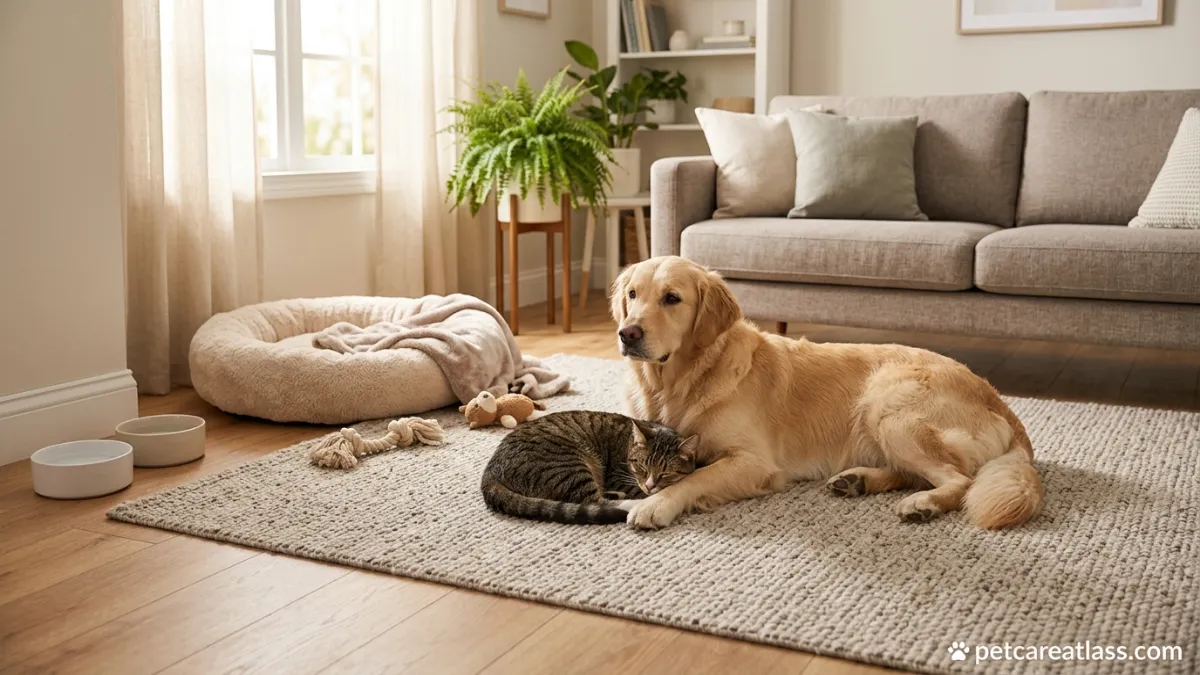
Quick Answer:
To make your pet feel at home, create a quiet and safe resting space, provide fresh food and water, establish a consistent daily routine, and offer familiar bedding and toys. Give your pet time to explore, avoid overwhelming it with attention, and use gentle positive interactions to build trust. Adjust the environment to suit your pet’s species, personality, and individual needs.
Bringing a pet into your home is exciting, but adjusting to a new environment can take time. Whether you’ve adopted a dog, welcomed a kitten, or brought home a rabbit, bird, or other companion animal, your pet needs more than food and shelter to feel comfortable.
It also needs a safe space, a predictable routine, and time to become familiar with its surroundings.Learning how to make your pet feel at home starts with understanding its individual needs.
Simple changes, such as creating a quiet resting area, providing familiar bedding, keeping essential supplies nearby, and allowing your pet to explore at its own pace, can make the transition easier.
In this guide, you’ll discover 12 practical ways to help your pet feel safe, relaxed, and comfortable while building trust and a positive relationship in its new home.
Create a Safe and Comfortable Space
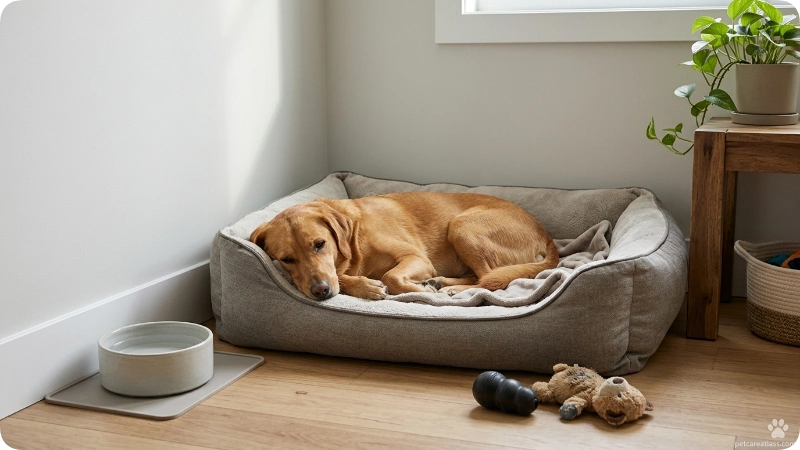
One of the first things you should do when bringing a pet home is prepare a dedicated space where it can rest, eat, and feel secure.
A new environment contains unfamiliar smells, sounds, people, and objects. Without a comfortable place to retreat, some animals may become nervous or hide more than usual.
Choose a quiet area away from heavy foot traffic, loud appliances, and constant disturbances. Make sure the space is appropriate for your pet’s species and size.
Consider providing:
- A comfortable bed or suitable resting area.
- Clean food and water bowls.
- Familiar bedding or an item carrying a recognizable scent, when available.
- Appropriate toys and enrichment items.
- A safe hiding or retreat area for animals that need one.
Remember: A dog’s resting area, a cat’s hiding spot, and a rabbit’s enclosed shelter serve different purposes. Birds need suitable cage arrangements, while fish and reptiles require properly established environments rather than ordinary resting spaces.
| Pet Type | Comfortable Space | Key Consideration |
|---|---|---|
| Dog | Cozy bed or resting area | Keep away from disturbances |
| Cat | Quiet area with hiding spots | Provide elevated spaces and safe retreats |
| Rabbit | Spacious enclosure with shelter | Allow movement and exploration |
| Bird | Properly sized cage with perches | Avoid drafts and kitchen fumes |
| Fish | Established aquarium | Maintain proper water quality and temperature |
| Reptile | Species-appropriate enclosure | Provide proper heating, lighting, and humidity |
A dedicated space helps your pet understand that it has somewhere safe to retreat whenever it feels tired, uncertain, or overwhelmed.
Give Your Pet Time to Adjust
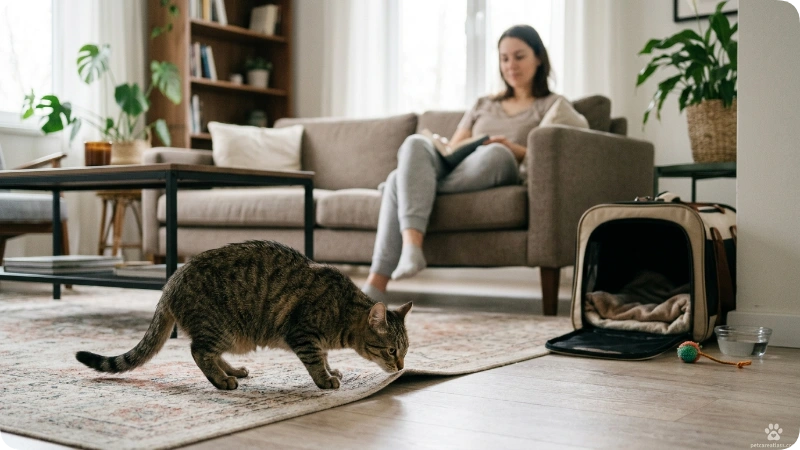
It is natural to want to spend plenty of time with a new pet, but too much attention too soon can make the adjustment more stressful.
Animals respond differently to unfamiliar surroundings. Some dogs may explore immediately, while certain cats may hide under furniture. Rabbits may remain cautious, and birds may need time to become comfortable with people moving around their cage.
Instead of expecting immediate affection, allow your pet to approach you when it feels ready.
Try these simple steps:
- Let your pet explore its surroundings without rushing it.
- Avoid repeatedly picking it up or following it around.
- Sit nearby and speak in a calm voice.
- Allow hiding and resting when appropriate.
- Introduce new experiences gradually.
- Watch for signs of stress or discomfort.
For example, if a newly adopted cat hides behind a sofa, avoid pulling it out. Keep food, water, and appropriate litter facilities accessible, and give it a quiet opportunity to investigate its surroundings.
Why it matters: Allowing an animal to make choices helps build confidence and creates more positive associations with its new home.
Establish a Consistent Daily Routine
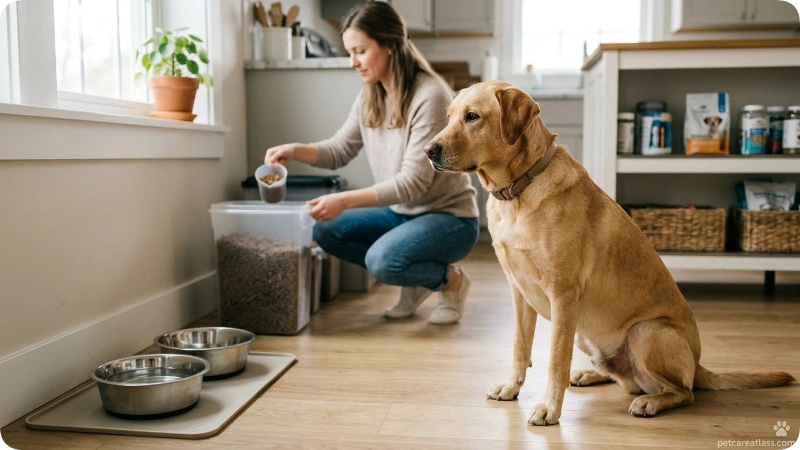
Pets often feel more secure when their daily activities are predictable. A consistent routine helps them understand when to expect meals, exercise, playtime, grooming, and rest.
You do not need to follow an identical schedule every minute. The goal is to create a reasonably predictable pattern that suits your pet’s natural behavior and care requirements.
For example, a dog’s routine may include morning walks, regular meals, playtime, and evening rest. A cat may benefit from predictable feeding times and interactive play sessions.
| Daily Activity | Why It Helps | Practical Example |
|---|---|---|
| Feeding | Builds routine | Serve meals at set times |
| Exercise | Supports physical health | Offer suitable walks or movement |
| Playtime | Provides mental stimulation | Use interactive toys |
| Grooming | Maintains comfort | Brush according to coat type |
| Rest | Supports recovery | Provide a quiet sleeping area |
| Social interaction | Builds trust | Spend calm, positive time together |
Keep in mind that different species have different schedules. Fish, reptiles, birds, and small mammals require care routines based on their specific biological and environmental needs.
Provide the Right Food and Fresh Water
Proper nutrition is essential for helping your pet stay healthy and comfortable in its new home.
Moving to a different environment can sometimes affect an animal’s appetite. Therefore, avoid making unnecessary dietary changes during the adjustment period.
If possible, continue feeding the same suitable food your pet was previously eating. If you need to change its diet, introduce the new food gradually when appropriate for the species.
Follow these basic feeding practices:
- Choose food formulated for your pet’s species and life stage.
- Provide fresh, clean drinking water.
- Follow suitable portion recommendations.
- Keep feeding equipment clean.
- Avoid giving human foods without checking whether they are appropriate.
- Monitor appetite and drinking habits.
Different pets have different nutritional needs. Dogs and cats require species-appropriate diets, rabbits need a diet based primarily on suitable grass hay, and birds require nutrition appropriate to their species. Fish and reptiles also need carefully selected diets.
| Pet | Feeding Needs | Key Reminder |
|---|---|---|
| Dog | Balanced dog food | Adjust portions by age, size, and activity |
| Cat | Balanced cat food | Meet specific dietary needs |
| Rabbit | Grass hay as the main diet | Introduce vegetables gradually |
| Bird | Species-appropriate balanced diet | Don’t rely only on seeds |
| Fish | Species-specific food | Avoid overfeeding |
| Reptile | Species-specific diet | Some need live food or special nutrition |
If your pet refuses food, shows persistent changes in appetite, or develops other concerning symptoms, contact a veterinarian rather than assuming it is simply adjusting.
Introduce Toys and Mental Stimulation
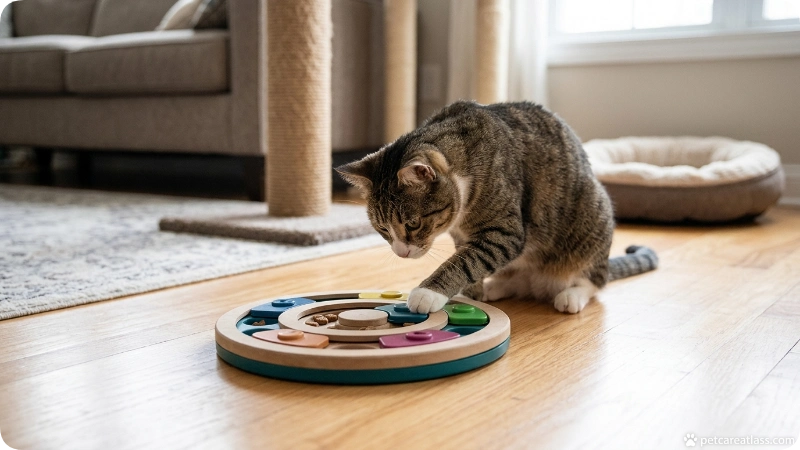
A comfortable home should provide opportunities for appropriate activity, exploration, and mental stimulation.
Without enough enrichment, some pets may become bored, frustrated, or develop unwanted behaviors. The right activities depend on the animal’s natural instincts, abilities, and preferences.
Here are some ideas:
- Dogs: Puzzle feeders, supervised sniffing activities, chew toys, and interactive games.
- Cats: Wand toys, scratching posts, climbing structures, and food puzzles.
- Rabbits: Safe chew materials, tunnels, digging opportunities, and foraging activities.
- Birds: Appropriate foraging toys, safe climbing opportunities, and mentally stimulating activities.
- Fish: Suitable environmental enrichment, plants, and structures that provide appropriate shelter.
- Reptiles: Species-appropriate hiding places, climbing structures, and opportunities for natural behaviors.
Choose toys that match your pet’s size and chewing habits. Inspect them regularly for loose parts, sharp edges, or damage.
Avoid giving toys made from materials that your pet could easily swallow or become entangled in.
Build Trust Through Gentle Interaction
Trust develops through repeated positive experiences. Your pet needs to learn that people in the home are predictable, respectful, and safe.
Start with short, comfortable interactions instead of demanding constant attention.
For dogs, you can use reward-based training, calm praise, and appropriate play. For cats, allow them to approach you and offer gentle interaction when they appear comfortable.
Rabbits generally prefer having their feet supported and may dislike being picked up. Birds need gradual, species-appropriate socialization, while reptiles often benefit more from calm, predictable handling than frequent physical contact.
Watch your pet’s body language.
| Behavior | Possible Meaning | Recommended Response |
|---|---|---|
| Relaxed posture | May indicate comfort | Continue calmly |
| Moving away | Wants space | Stop and allow retreat |
| Hiding | May feel stressed or unsure | Provide a safe hiding place |
| Growling or hissing | Warning or discomfort | Give space and check the trigger |
| Approaching voluntarily | May want interaction | Let the pet set the pace |
| Repeated escape attempts | Possible stress or poor handling | Stop handling and reassess the environment |
Never force cuddling, petting, or handling simply because you want to bond with your pet.
Keep Your Home Safe for Your Pet
A home that feels comfortable should also protect animals from everyday hazards.
Many common household objects can cause injuries or illness if pets chew, swallow, or come into contact with them.
Before allowing your pet to explore, check the environment carefully.
Important household safety steps:
- Secure electrical wires and charging cables.
- Keep cleaning products and chemicals out of reach.
- Remove toxic plants from accessible areas.
- Store medicines and personal-care products safely.
- Keep small objects that could be swallowed away.
- Secure windows, balconies, and outdoor access.
- Use suitable gates or barriers where necessary.
- Keep food that is dangerous to animals inaccessible.
Some foods, including chocolate, grapes, raisins, onions, and products containing xylitol, can be dangerous to dogs. Cats and other pets also have their own food-related hazards.
Birds are particularly sensitive to certain airborne hazards, including fumes from overheated nonstick cookware. Fish and reptiles need protection from unsuitable household chemicals and environmental changes.
Do not assume that a product is safe simply because it is labeled natural or pet-friendly. Always check whether it is appropriate for your particular animal.
Introduce Family Members and Other Pets Slowly
A new pet may need time to become comfortable with everyone in the household.
Introducing too many people or animals at once can create unnecessary pressure, especially when your pet is still learning about its surroundings.
If you have children, explain that animals need personal space. Teach them to approach gently, avoid pulling tails or ears, and never disturb a sleeping or eating pet.
When introducing another pet:
- Begin with controlled separation when appropriate.
- Allow animals to become familiar with each other’s scents.
- Use gradual visual introductions when suitable.
- Supervise initial interactions.
- Reward calm behavior.
- Provide separate food, water, and resting areas.
Dogs and cats may need carefully managed introductions. Rabbits, birds, and other small animals require additional protection because interactions with larger animals can carry significant risks.
Never leave a predator and a small prey animal together unsupervised, even if the larger pet appears friendly.
Maintain a Clean and Comfortable Environment
A clean home supports your pet’s health and makes daily life more pleasant.
However, cleaning requirements vary considerably between species. What works for a dog or cat may not be suitable for a rabbit, bird, fish, or reptile.
Focus on maintaining clean resting areas, feeding equipment, litter facilities, bedding, and enclosures.
| Cleaning Task | What to Do | Why It Matters |
|---|---|---|
| Food bowls | Wash regularly | Reduces residue and contamination |
| Water containers | Refresh and clean often | Provides clean water |
| Bedding | Wash or replace as needed | Reduces dirt and odors |
| Cat litter | Remove waste regularly | Keeps the litter area clean |
| Rabbit enclosure | Remove soiled bedding and waste | Supports hygiene and comfort |
| Bird cage | Clean trays and surfaces | Maintains a healthy environment |
| Aquarium | Monitor water quality and clean properly | Protects aquatic health |
Avoid strong fragrances and harsh cleaning chemicals around animals. Birds, in particular, can be vulnerable to airborne pollutants.
For aquariums and reptile enclosures, cleaning must preserve the environmental conditions and beneficial biological systems the animals depend on.
Give Your Pet Enough Exercise and Natural Activity
Physical activity is another important part of creating a comfortable home.
Different animals need different types and amounts of movement. A dog may need daily walks, while a cat benefits from climbing and interactive play. Rabbits need safe opportunities to move, explore, and exercise outside a confined resting area.
Consider your pet’s:
- Age and physical condition.
- Species and natural behavior.
- Breed or individual characteristics, where relevant.
- Activity level and personality.
- Environmental limitations.
Do not force an animal to exercise when it is tired, frightened, or unwell.
For indoor pets, provide safe opportunities for movement and exploration. Make sure exercise areas are free from hazards and appropriate for the species.
Provide Attention Without Overwhelming Your Pet
Pets need appropriate social interaction, but their preferences vary.
Some dogs enjoy spending time with family members, while certain cats prefer shorter interactions with periods of independence. Many birds need regular social and mental engagement, whereas some reptiles are naturally solitary and do not benefit from frequent handling.
Pay attention to how your pet responds.
Signs that an animal may be comfortable include:
- Voluntarily approaching people.
- Resting in its usual environment.
- Exploring without repeatedly trying to escape.
- Eating and drinking normally.
- Engaging with suitable toys or activities.
- Showing relaxed, species-appropriate behavior.
Signs that an animal may need more space include hiding, repeatedly moving away, defensive behavior, or changes in normal activity.
The goal is not to make every pet constantly affectionate. It is to provide an environment where the animal can feel secure and express normal behavior.
Be Patient and Monitor Your Pet’s Progress
Adjusting to a new home is a process rather than a single event.
Some animals become comfortable relatively quickly, while others need a longer period to settle. Their progress may depend on previous experiences, age, temperament, health, and the amount of change they are experiencing.
Observe your pet’s normal habits and look for gradual improvements.
You can monitor:
- Eating and drinking patterns.
- Sleeping habits.
- Toileting behavior.
- Activity and interest in enrichment.
- Reactions to family members.
- Signs of fear or discomfort.
If your pet experiences persistent appetite changes, unusual aggression, repeated hiding, digestive problems, breathing difficulties, or other concerning symptoms, seek veterinary guidance.
Do not automatically attribute unusual behavior to moving into a new home. A health problem may require attention.
Common Mistakes to Avoid When Helping a Pet Settle In
Even well-meaning owners can accidentally make the adjustment period more difficult.
| Common Mistake | Why It’s a Problem | Better Approach |
|---|---|---|
| Forcing interaction | May cause fear or discomfort | Allow voluntary contact |
| Sudden food changes | May cause digestive upset | Change diets gradually |
| Too much attention | Can overwhelm nervous pets | Give space and limit sessions |
| Ignoring species-specific needs | May harm health and welfare | Research individual needs |
| Rushing pet introductions | May cause fear or conflict | Introduce gradually under supervision |
| Ignoring household hazards | Creates safety risks | Pet-proof your home |
| Expecting instant affection | Creates unrealistic expectations | Build trust patiently |
A successful transition is not about making your pet follow your preferred routine immediately. It is about creating conditions that allow the animal to feel safe and comfortable.
How Long Does It Take for a Pet to Feel at Home?
There is no universal adjustment timeline for every animal.
Some pets become comfortable within a few days, while others may take several weeks or longer. Previous experiences, individual temperament, health, age, and environmental changes can all influence the process.
Here is a general guide:
| Adjustment Stage | What You May Notice | How to Help |
|---|---|---|
| First few days | Hiding, caution, or exploring | Keep the environment quiet |
| First 1–2 weeks | Growing familiarity | Establish routines |
| Following weeks | More predictable behavior | Continue positive experiences |
| Longer adjustment | Gradual confidence | Maintain proper care and monitor progress |
These are illustrative stages, not guaranteed milestones. Some animals adjust sooner, while others need substantially more time.
If your pet seems increasingly distressed or develops concerning physical symptoms, consult a veterinarian rather than waiting for a particular adjustment period to pass.
FAQs About Making a Pet Feel at Home
1. How can I make my new pet feel comfortable in a new home?
Prepare a quiet resting area, provide familiar and appropriate supplies, maintain a consistent routine, and allow your pet to explore gradually. Avoid forcing interaction and give it time to become comfortable.
2. How long does it take for a new pet to settle in?
It depends on the animal, its previous experiences, personality, and environment. Some pets adjust within days, while others need several weeks or longer to feel comfortable.
3. Should I let my new pet sleep in my bedroom?
It depends on the species, individual needs, and household arrangements. Dogs and cats may be comfortable sleeping in a bedroom if the area is safe. Other animals need species-appropriate enclosures and environmental conditions.
4. How do I know if my pet feels safe at home?
A comfortable pet may show relaxed body language, eat and drink normally, explore its surroundings, rest comfortably, and voluntarily interact with people. Look at the animal’s overall behavior rather than relying on one sign.
5. What should I do if my new pet keeps hiding?
Provide a safe hiding place, keep the environment quiet, and avoid pulling the animal out. Make sure its essential resources are accessible. If hiding persists alongside appetite changes, illness, or other concerning behavior, consult a veterinarian.
6. How can I make my indoor pet happier?
Provide appropriate enrichment, comfortable resting areas, opportunities for natural movement, suitable nutrition, and positive social interaction. Choose activities according to your pet’s species and individual preferences.
7. Can too much attention make a new pet uncomfortable?
Yes. Repeated handling, forced cuddling, loud interactions, or constant attention can overwhelm some animals. Respect their boundaries and allow them to approach people voluntarily.
Conclusion
Making a pet feel at home takes patience, consistency, and an understanding of its individual needs. A safe resting area, suitable nutrition, predictable routines, appropriate enrichment, and gentle interactions can help create a positive living environment.
Remember that every animal adjusts differently. Dogs, cats, rabbits, birds, fish, and reptiles have different requirements, so avoid assuming that one approach works for every pet.
Most importantly, let your pet become comfortable at its own pace. When you respect its boundaries, provide proper care, and create opportunities for natural behavior, you give it a better chance to feel secure, relaxed, and truly at home.

Daniel Brooks is a pet care and animal behavior writer at petcareatlass.com focused on helping owners better understand their pets’ behavior and everyday needs. He creates practical, easy-to-follow content on pet communication, training, welfare, and responsible care.