Quick Answer:
To pet a dog safely, approach calmly, let the dog sniff your hand if it chooses, and begin with gentle strokes on the chest, shoulders, or sides of the neck. Watch its body language and pause regularly. If the dog moves away, stiffens, turns its head, or shows discomfort, stop petting and give it space.
Knowing how to pet a dog properly can help you build trust, make interactions more enjoyable, and avoid making a dog feel uncomfortable. Whether you’re meeting a dog for the first time or spending time with your own pet, gentle handling and understanding canine body language are essential.
Not every dog enjoys being touched in the same way. Some love gentle scratches around the chest, shoulders, or sides of the neck, while others prefer a little space, especially around unfamiliar people. Approaching calmly, allowing the dog to come to you, and watching its reactions can make petting a more positive experience.
In this guide, you’ll learn where dogs generally enjoy being petted, how to approach them safely, which areas to avoid, and how to recognize signs that a dog wants more attention or needs you to stop.
How to Approach a Dog Before Petting It
Before touching a dog, give it time to become comfortable with your presence. A dog may be friendly but still feel nervous around unfamiliar people, sudden movements, or unexpected contact.
A calm approach helps the dog understand that you are not a threat and gives it an opportunity to decide whether it wants interaction.
Approach Slowly and Calmly
Move toward the dog at a relaxed pace. Avoid running toward it, shouting, making sudden movements, or leaning over its body.
Instead:
- Walk slowly and avoid rushing into the dog’s personal space.
- Keep your movements relaxed and predictable.
- Avoid staring directly into its eyes.
- Give the dog enough room to move away.
- Let it approach you rather than forcing contact.
Some dogs are naturally outgoing, while others need more time to become comfortable with unfamiliar people.
Let the Dog Choose Whether to Interact
Allow the dog to approach you voluntarily. It may sniff the air, look at you, walk closer, or remain at a comfortable distance.
You can offer a relaxed hand near your side without pushing it toward the dog’s face. However, you do not need to make every dog sniff your hand before interacting. The important thing is to avoid forcing contact.
If the dog walks away, hides, or shows signs of discomfort, respect its decision.
Ask the Owner Before Petting an Unfamiliar Dog
Always ask the owner for permission before touching their dog. The owner may know about the dog’s fears, sensitivities, training, or history with unfamiliar people.
Even if a dog approaches you, that does not automatically mean it wants to be petted.
Remember: A dog’s willingness to approach is an opportunity to observe its behavior, not permission to immediately touch it.
Where Do Dogs Like to Be Petted?
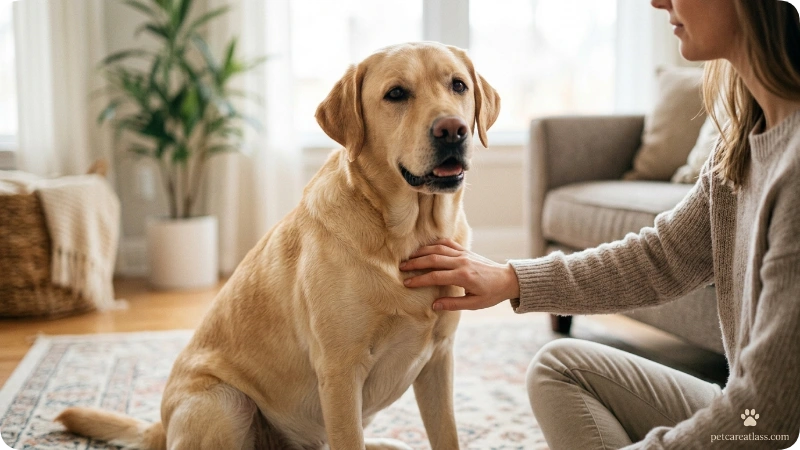
Many dogs enjoy gentle petting around areas such as the chest, shoulders, neck, and sides of the body. However, preferences vary depending on the dog’s personality, previous experiences, comfort level, and individual sensitivities.
Rather than assuming every dog likes the same type of touch, start with areas that are generally less intrusive and observe its response.
Chest
The chest is often a comfortable starting point because you can reach it without immediately placing your hand over the dog’s head.
Try:
- Gentle strokes on the upper chest.
- Light scratching where the dog seems comfortable.
- Slow movements without pressing hard.
Some dogs lean forward or move closer when they enjoy chest petting.
Shoulders
The shoulder area is another good place to begin. Use a relaxed hand and gently stroke the muscles around the shoulders.
Avoid pressing firmly or restraining the dog while touching this area.
Neck and Sides
Many dogs enjoy gentle scratches around the sides of their neck and the areas where the neck meets the shoulders.
Watch for signs of discomfort, especially if the dog has a collar, skin irritation, or a sensitive area.
Back and Sides of the Body
Some dogs enjoy slow strokes along their back or sides. Use light pressure and avoid repeatedly patting or hitting the body.
If the dog moves away, arches its back, or seems tense, stop.
Under the Chin
Some dogs enjoy gentle chin scratches, especially when they are already comfortable with the person.
However, avoid reaching suddenly toward the dog’s face. Allow it to remain relaxed and choose whether to accept the contact.
Common Petting Areas at a Glance
| Body Area | Preference | How to Pet |
|---|---|---|
| Chest | Often enjoyed | Use slow, gentle strokes |
| Shoulders | Often comfortable | Stroke lightly |
| Neck | Varies by dog | Gently scratch the sides |
| Back | Commonly enjoyed | Use smooth, light strokes |
| Chin | Depends on the dog | Offer gentle scratches |
| Belly | Varies by dog | Pet only when welcomed |
Important: These are general preferences, not guarantees. A dog may enjoy being touched in one area but dislike the same contact on another day.
How to Pet a Dog Step by Step
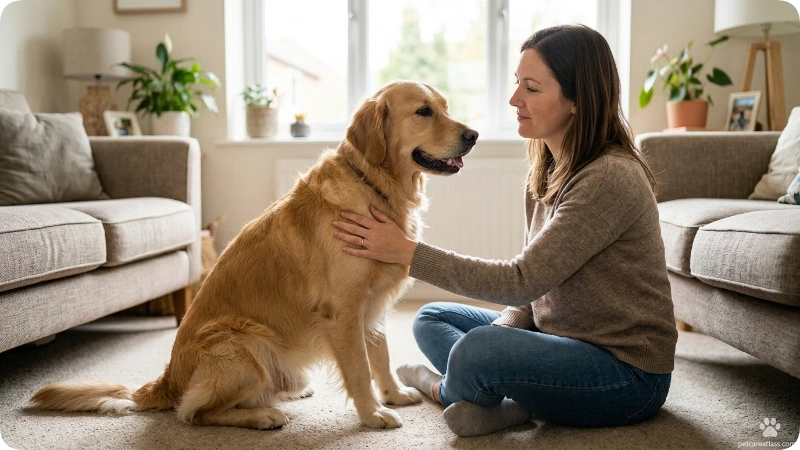
Once the dog appears comfortable with your presence, you can begin petting it. The goal is to make contact gentle, predictable, and easy for the dog to accept or decline.
Follow these steps:
Step 1: Get Into a Comfortable Position
Stand or sit at a comfortable distance rather than bending directly over the dog. Turning your body slightly sideways can make your approach less intimidating.
Step 2: Let the Dog Approach
Give the dog time to come closer. Avoid grabbing its collar, pulling it toward you, or blocking its escape route.
Step 3: Begin With a Comfortable Area
Start with a gentle touch on the chest, shoulder, or side of the neck. Avoid reaching directly over its head.
Step 4: Use Gentle, Slow Movements
Move your hand smoothly with light pressure. Most dogs do not need vigorous rubbing, heavy patting, or repeated tapping to enjoy attention.
Step 5: Pause After a Few Seconds
Stop petting briefly and observe what happens. This is sometimes called a consent check.
Does the dog move closer, nudge your hand, or position its body for more contact? Or does it turn away or move elsewhere?
Step 6: Respect the Dog’s Response
Continue only if the dog appears comfortable and actively seeks more interaction. If it moves away or becomes tense, give it space.
Step 7: Finish Calmly
When you are ready to stop, gradually remove your hand. Avoid suddenly grabbing or restraining the dog.
The most important part of this process is not the exact petting technique. It is allowing the dog to communicate whether it wants the interaction to continue.
Where Should You Avoid Petting a Dog?
Not every part of a dog’s body is equally comfortable to touch. Some areas are more sensitive, and unexpected contact can make a dog nervous or defensive.
When meeting an unfamiliar dog, avoid touching sensitive areas until you know the dog is comfortable with you.
Face and Muzzle
Avoid reaching suddenly toward a dog’s face, nose, or mouth. Some dogs dislike having their faces touched, especially by unfamiliar people.
Never put your face close to an unfamiliar dog’s muzzle or attempt to hug it.
Ears
A dog’s ears can be sensitive, particularly if it has an injury, irritation, or an ear condition.
Avoid pulling, squeezing, or repeatedly rubbing the ears. If a dog enjoys gentle ear scratches, keep the contact light and stop if it shows discomfort.
Paws and Legs
Many dogs are uncomfortable when someone touches their paws or legs. These areas can also be sensitive because of previous injuries, nail-trimming experiences, or handling fears.
If you need to examine or handle a dog’s paws, introduce the process gradually and use positive reinforcement.
Tail
Avoid grabbing, pulling, or squeezing a dog’s tail. Tail movement is part of canine communication, and touching it unexpectedly can cause discomfort.
Belly
A dog’s exposed belly does not always mean it wants a belly rub. Some dogs roll onto their backs because they feel nervous or are trying to communicate that they are not a threat.
Before touching the belly, look at the dog’s entire body language. If it appears tense, freezes, or turns its head away, leave the area alone.
Areas to Approach With Extra Care
| Body Area | Why Be Careful? | Safer Approach |
|---|---|---|
| Face and muzzle | Some dogs dislike face contact | Let the dog approach first |
| Ears | May be sensitive | Avoid pulling or squeezing |
| Paws | Handling may cause fear or discomfort | Introduce handling gradually |
| Tail | Pulling can cause pain or fear | Never grab or hold it |
| Belly | Rolling over isn’t always an invitation | Wait for signs of comfort |
If a dog has an injury, painful area, or sudden sensitivity to touch, avoid handling that area and contact a veterinarian when appropriate.
How to Tell If a Dog Enjoys Being Petted
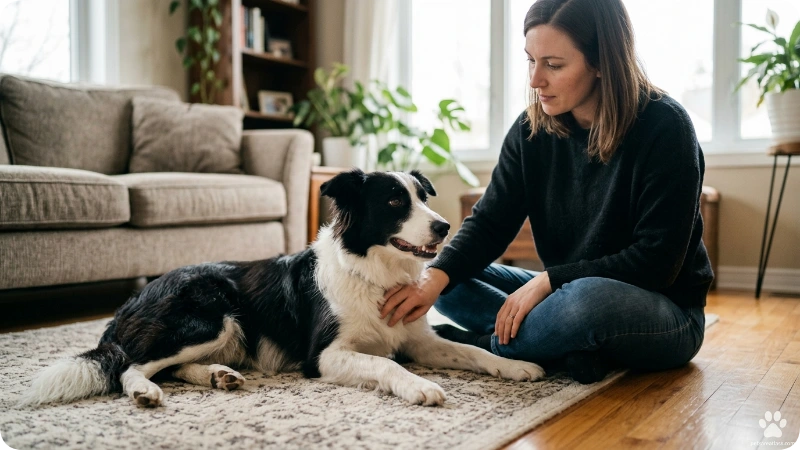
Learning to recognize a dog’s body language is just as important as knowing where to pet it.
Dogs communicate through their posture, facial expressions, movements, and behavior. A dog that appears quiet is not necessarily enjoying the interaction. Some dogs become still when they feel uncomfortable.
Signs a Dog Enjoys Petting
A comfortable dog may show several of these behaviors:
- Relaxed body: Its muscles appear loose rather than stiff.
- Voluntary approach: It moves closer to you or returns after a pause.
- Leaning gently: It places its body against your hand.
- Soft facial expression: Its face appears relaxed, without obvious tension.
- Seeking more contact: It nudges your hand or positions its body where you were petting it.
- Staying comfortably nearby: It chooses to remain close without appearing trapped.
These signs are more meaningful when considered together rather than individually.
Signs a Dog Wants You to Stop
A dog may communicate discomfort through subtle signals before showing stronger reactions.
Look for:
- Turning its head away from your hand.
- Moving its body away.
- Repeatedly licking its lips when food is not involved.
- Yawning in a stressful situation.
- Showing the whites of its eyes, sometimes called whale eye.
- Pinning its ears back.
- Becoming stiff or suddenly still.
- Trying to hide or leave.
Growling, snapping, and showing teeth are more obvious warnings. Never punish a dog for communicating discomfort through these signals. Stop touching it and give it space.
Dog Body Language During Petting
| Body Language | Possible Meaning | What to Do |
|---|---|---|
| Loose, relaxed posture | May feel comfortable | Continue if it seeks contact |
| Leaning toward your hand | May enjoy interaction | Pause and let it ask for more |
| Turning head away | May want space | Stop petting |
| Lip licking or yawning | Possible stress in context | Give the dog space |
| Stiff body or freezing | Possible fear or discomfort | Stop immediately |
| Moving away | Does not want contact | Don’t follow or restrain |
| Growling or showing teeth | Clear warning | Stop and move away calmly |
Remember: No single signal tells the whole story. Consider the dog’s overall posture, surroundings, and behavior before deciding whether it is comfortable.
How to Pet an Unfamiliar Dog Safely
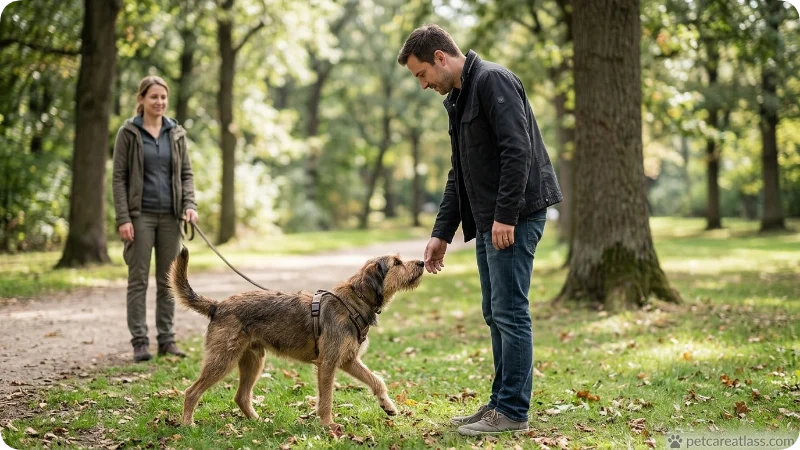
Petting an unfamiliar dog requires more care than interacting with a dog you know well. You may not know its personality, previous experiences, fears, or tolerance for physical contact.
Even a dog that looks friendly may not want to be touched.
Use these safety guidelines:
- Ask the owner first: Never assume you have permission to touch someone else’s dog.
- Observe before approaching: Look for relaxed body language and signs of fear or discomfort.
- Avoid sudden movements: Approach slowly and keep your voice calm.
- Do not lean over the dog: Give it personal space and an easy way to move away.
- Let the dog initiate contact: Do not chase, corner, or reach toward it.
- Start with gentle petting: If the dog welcomes contact, begin around its chest or shoulders.
- Keep your face away: Never place your face close to an unfamiliar dog’s face.
- Stop when necessary: If the dog becomes uncomfortable, end the interaction.
Should You Pet a Dog That Is Eating or Sleeping?
It is generally best to leave dogs alone when they are eating, sleeping, resting, or chewing something valuable.
A dog may react defensively if someone unexpectedly touches it while it is protecting food or simply wants to rest.
Children should be taught never to disturb a dog during these activities.
How to Pet a Puppy
Puppies are still learning about people, handling, and their surroundings. Gentle, positive experiences can help them become more comfortable with appropriate human interaction.
However, puppies also need rest and should never be forced to accept petting.
Start With Short, Gentle Interactions
Begin with a few seconds of gentle contact around the chest or shoulders. Give the puppy a chance to move away or return voluntarily.
Keep early interactions positive and avoid overwhelming it with too much attention.
Introduce Different Types of Handling Gradually
As the puppy becomes comfortable, you can gradually introduce gentle handling of areas that may need attention during grooming and veterinary care.
For example:
- Briefly touch a paw without squeezing it.
- Gently handle the ears when the puppy is relaxed.
- Introduce gentle brushing using an appropriate brush.
- Reward calm behavior with praise or suitable treats.
Make these experiences gradual and positive. Do not force a puppy to tolerate handling when it is frightened.
Teach Children How to Pet Puppies
Children should learn to:
- Sit calmly rather than chase the puppy.
- Use gentle hands.
- Avoid pulling ears, tails, or fur.
- Never hug or squeeze the puppy.
- Leave the puppy alone when it is eating or sleeping.
Always supervise interactions between young children and dogs, even when the puppy belongs to the family.
Why Does My Dog Move Away When I Pet It?
If your dog moves away when you try to pet it, there may be several explanations. It does not necessarily mean that your dog dislikes you.
Some dogs prefer less physical contact, while others enjoy attention only in certain situations.
It Wants Personal Space
Dogs have individual preferences. Your dog may enjoy spending time near you without wanting to be touched continuously.
Try sitting nearby without reaching toward it. Allow it to decide whether to approach.
It Dislikes the Way You Pet It
Your dog may enjoy being petted but dislike a particular technique.
For example, it may prefer slow strokes over repeated pats or chest scratches over head rubbing.
Change your approach and observe its response.
It Is Feeling Nervous
Unfamiliar environments, loud noises, visitors, or sudden movements can make a dog less comfortable with physical contact.
Give it time to relax instead of insisting on interaction.
It May Be Experiencing Pain or Sensitivity
If a dog that previously enjoyed petting suddenly avoids touch, consider whether it may be experiencing discomfort.
Watch for additional changes, such as:
- Limping or difficulty moving.
- Whining when touched.
- Excessive licking of a particular area.
- Changes in appetite or activity.
- Irritability or unusual withdrawal.
These signs do not establish a diagnosis, but sudden sensitivity or behavior changes deserve attention. Contact a veterinarian to determine whether an underlying health problem is involved.
Common Mistakes to Avoid When Petting a Dog
Even well-meaning owners can accidentally make dogs uncomfortable by using the wrong approach.
Understanding common mistakes helps create more positive interactions.
| Common Mistake | Why It’s a Problem | Better Approach |
|---|---|---|
| Reaching over the dog’s head | May feel intimidating | Start at the chest or shoulders |
| Tight hugging | Restricts movement | Let the dog choose contact |
| Continuous petting | Prevents opting out | Pause and check consent |
| Sudden paw touching | May cause fear or discomfort | Introduce handling gradually |
| Following a dog that walks away | Removes its choice | Respect its space |
| Assuming tail wagging means happiness | Tail movements have different meanings | Check overall body language |
| Petting during meals | May cause stress or defensiveness | Let the dog eat undisturbed |
Mistake 1: Assuming Every Dog Likes Being Petted
Some dogs enjoy physical affection, while others prefer sitting nearby, playing, or receiving attention without direct contact.
Do not force petting simply because a dog belongs to your family.
Mistake 2: Confusing a Belly-Up Position With an Invitation
A dog lying on its back may be relaxed, playful, or uncomfortable. Look for loose muscles and voluntary engagement before interpreting the position.
Mistake 3: Ignoring Small Warning Signs
Dogs often communicate discomfort through subtle changes in body language. Waiting until a dog growls or snaps means earlier signals may have been missed.
Pay attention to small changes and stop before the interaction becomes stressful.
Do Dogs Like Being Petted?
Many dogs enjoy physical affection, but their preferences depend on their personality, experiences, socialization, and individual comfort level.
Petting can be a positive social interaction when a dog willingly participates. Some dogs seek attention by leaning against their owners, nudging their hands, or sitting close. Others show affection by following their owners around or simply choosing to rest nearby.
Why Do Dogs Enjoy Being Petted?
Dogs may enjoy petting for several reasons:
- Social bonding: Gentle physical contact can support a positive relationship between a dog and its owner.
- Attention: Some dogs enjoy receiving attention from familiar people.
- Comfort: Gentle contact may feel relaxing when the dog is comfortable.
- Positive associations: Dogs that have experienced gentle, rewarding handling may become more comfortable with petting.
- Individual preference: Some dogs naturally enjoy physical affection more than others.
However, not all dogs enjoy the same amount of physical contact. A dog can love its owner without wanting to be petted all the time.
Does Every Dog Like Being Petted?
No. Some dogs are naturally less interested in physical affection, and others may have negative associations with certain types of handling.
Breed tendencies, early socialization, age, health, and previous experiences can influence how a dog responds to touch. However, individual personality and body language are more useful than breed stereotypes when deciding whether to pet a particular dog.
How to Make Petting More Enjoyable for Your Dog
The best way to make petting enjoyable is to create an interaction in which your dog feels comfortable and has control over the contact.
Try these practical tips:
- Choose a quiet environment: Avoid petting when your dog is distracted, frightened, or overwhelmed.
- Use gentle pressure: Start with light strokes rather than vigorous rubbing.
- Follow your dog’s preferences: Pay attention to the areas and techniques your dog seems to enjoy.
- Keep interactions short: Allow your dog to request more attention instead of assuming it wants continuous petting.
- Avoid sensitive areas: Be especially careful around the face, paws, tail, and any painful or irritated areas.
- Respect resting time: Do not disturb your dog when it is sleeping or trying to relax.
- Build positive experiences: Pair necessary handling with patience, praise, and appropriate rewards.
A useful habit is to pause every few seconds. If your dog voluntarily moves closer or nudges your hand, it may be asking you to continue. If it walks away, allow it to leave.
Does Petting a Dog Help Build a Stronger Bond?
Gentle petting can contribute to a positive relationship between dogs and their owners, especially when the dog enjoys physical contact.
However, bonding involves more than touching. Dogs also develop trust through predictable routines, play, training, exercise, appropriate care, and respectful communication.
You can strengthen your relationship by:
- Spending regular quality time together.
- Providing appropriate exercise and mental stimulation.
- Using reward-based training.
- Respecting your dog’s personal space.
- Learning to recognize its communication signals.
- Providing a comfortable and predictable home environment.
The most important thing is to understand what makes your individual dog feel secure and comfortable.
Frequently Asked Questions About How to Pet a Dog
1. Where is the best place to pet a dog?
The chest, shoulders, and sides of the neck are often good starting points. However, every dog has individual preferences. Begin gently and observe whether the dog welcomes the contact.
2. Should you let a dog sniff your hand before petting it?
You can offer a relaxed hand and allow the dog to investigate if it chooses. However, do not push your hand toward its face or assume that sniffing automatically means it wants to be petted.
3. Is it okay to pet a dog on the head?
Some dogs enjoy gentle head petting from familiar people, but others find it uncomfortable. For an unfamiliar dog, avoid reaching over its head and begin with less intrusive contact, such as the chest or shoulder.
4. Why does my dog lean into me when I pet it?
Leaning may indicate that your dog enjoys the interaction or wants closer contact. However, consider its overall body language. A relaxed posture and voluntary movement toward your hand provide stronger evidence of comfort.
5. Why does my dog growl when I pet it?
A growl can communicate discomfort, fear, or a desire for space. Stop touching the dog and avoid punishing the warning. If the behavior is new, persistent, or associated with touch sensitivity, consult a veterinarian or qualified behavior professional.
6. Do dogs prefer petting or belly rubs?
Preferences vary. Some dogs enjoy belly rubs, while others prefer chest or shoulder scratches. Rolling onto its back does not automatically mean a dog wants its belly touched.
7. How long should you pet a dog?
There is no fixed amount of time that suits every dog. Pet for a few seconds, pause, and observe its response. Continue only when the dog voluntarily seeks more contact.
Conclusion
Learning how to pet a dog is about more than choosing the right place to touch. It involves understanding canine body language, approaching calmly, using gentle movements, and respecting the dog’s individual preferences.
Start with the chest, shoulders, or sides of the neck, and avoid sensitive areas until you know what your dog enjoys. When meeting an unfamiliar dog, ask the owner for permission and allow the dog to approach you voluntarily.
Most importantly, pay attention to your dog’s response. A dog that moves closer may welcome more attention, while one that turns away, becomes stiff, or walks away is communicating that it needs space.
When you make your dog’s comfort a priority, petting can become a more positive and trusting part of your relationship.

Daniel Brooks is a pet care and animal behavior writer at petcareatlass.com focused on helping owners better understand their pets’ behavior and everyday needs. He creates practical, easy-to-follow content on pet communication, training, welfare, and responsible care.