Quick Answer
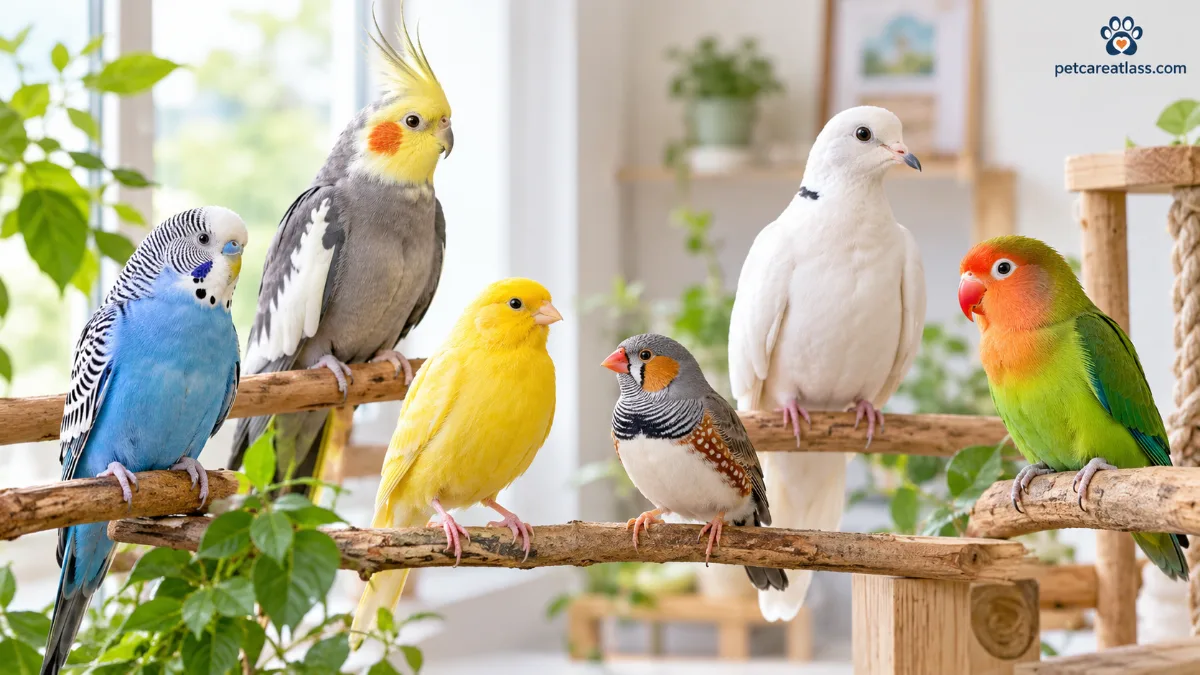
Some of the best pet birds for beginners include budgerigars, cockatiels, canaries, finches, doves, and lovebirds. Each species has different social needs, noise levels, handling preferences, and care requirements. The right choice depends on your available time, living space, budget, and willingness to provide daily attention and long-term care.
Introduction
Choosing your first pet bird can be exciting, but it is important to find a species that fits your lifestyle and experience level. Some birds enjoy interacting with people and can learn simple behaviors, while others prefer observing their surroundings or spending time with another bird. Their personalities, noise levels, diets, and housing needs can also vary considerably.
The best pet birds for beginners are not necessarily the smallest or easiest to purchase. They are species whose everyday needs a new owner can realistically meet. Understanding their behavior, social requirements, lifespan, and care needs before bringing one home can help you make a responsible choice and provide a healthy, comfortable environment.
6 Best Pet Birds for Beginners
Several bird species can suit first-time owners when their care requirements are understood and met. However, no pet bird is completely maintenance-free. Every species needs appropriate housing, a balanced diet, regular cleaning, enrichment, and access to an avian veterinarian.
1. Budgerigar (Budgie)
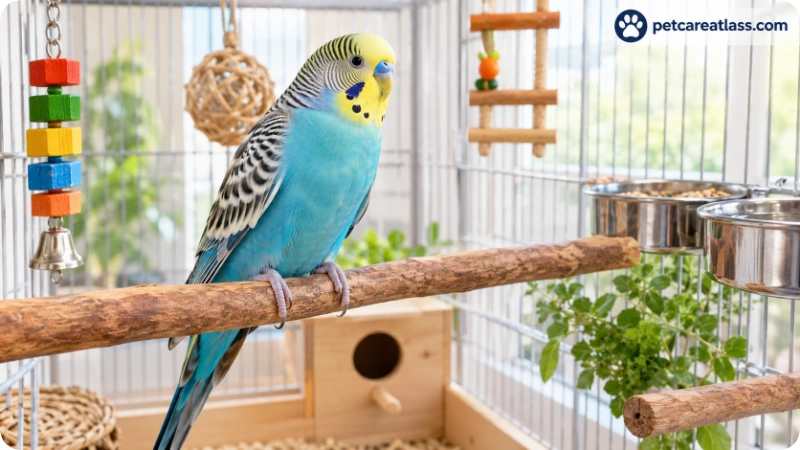
Budgerigars, commonly called budgies or parakeets in the United States, are small, active parrots known for their curious personalities and ability to learn sounds and simple words.
<The best fit for beginners who want an interactive small bird and can provide daily attention.>
Budgies can become comfortable with gentle handling when they are given time to settle in and are trained patiently. Some develop strong bonds with their owners, while others remain more independent.
Care considerations:
- Personality: Curious, playful, active, and social.
- Noise level: Usually moderate; they communicate through chirps and chatter.
- Handling: Many can learn to step onto a hand with patient, positive training.
- Diet: A balanced diet based primarily on suitable formulated pellets, with appropriate vegetables and other recommended foods.
- Housing: A spacious, secure cage with room to move, climb, and spread their wings.
- Social needs: Require regular interaction and enrichment. A compatible companion may be appropriate, but introductions must be managed carefully.
- Lifespan: Often around 7–15 years, although individual lifespans vary.
Why beginners may like budgies
Budgies are relatively small and can be engaging companions. They often enjoy toys, foraging activities, and learning simple behaviors. Their size may make their housing needs more manageable than those of larger parrots, although they still need a suitably spacious setup.
What to consider before choosing one
Budgies are social birds and should not be left without sufficient interaction and stimulation. They may also be nervous when first introduced to a new home. Avoid forcing contact; allow the bird to build confidence gradually.
2. Cockatiel
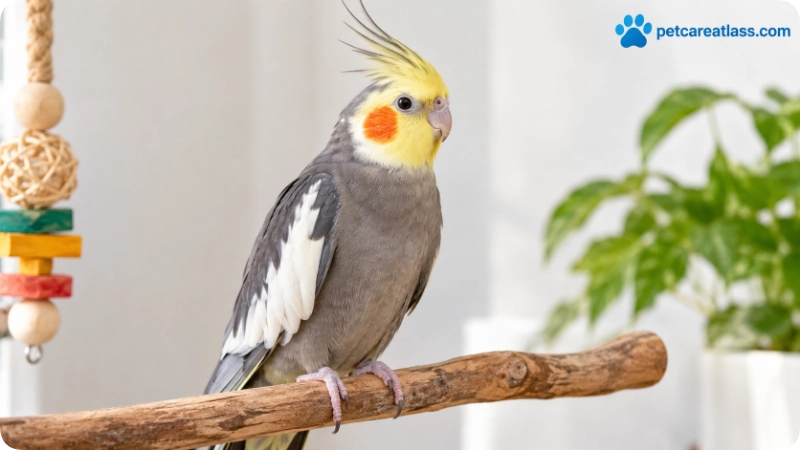
Cockatiels are friendly, expressive parrots recognized by their distinctive crests, long tails, and orange cheek patches. Many enjoy spending time near their owners and can learn to whistle or respond to familiar sounds.
<The best fit for beginners who want a social bird and have time for regular interaction.>
Cockatiels often communicate through whistles, calls, body posture, and crest movements. Learning to recognize these signals can help owners understand when their bird feels relaxed, curious, frightened, or overstimulated.
Care considerations:
- Personality: Social, curious, affectionate in some cases, and expressive.
- Noise level: Moderate; some whistle frequently or call for attention.
- Handling: Many become comfortable with gentle, consistent interaction.
- Diet: A balanced formulated diet supplemented with suitable vegetables and other appropriate foods.
- Housing: A roomy cage that allows climbing, movement, and full wing extension.
- Social needs: Need daily interaction, enrichment, and opportunities for exercise.
- Lifespan: Commonly around 15–25 years, with variation between individuals.
Why beginners may like cockatiels
Cockatiels can be rewarding companions because they often enjoy social interaction and can develop recognizable routines with their owners. Their body language, including crest position and vocalizations, can also make communication interesting to observe.
What to consider before choosing one
Cockatiels produce fine feather dust, which may be a concern for people with respiratory sensitivities. They also need daily attention and can become distressed or develop unwanted behaviors when their social and enrichment needs are neglected.
3. Canary
Canaries are small songbirds best known for their singing and attractive appearance. Unlike many parrots, they generally do not need frequent physical handling to remain content.
<The best fit for beginners who enjoy watching and listening to birds rather than handling them regularly.>
Male canaries are often known for their singing, although singing behavior varies with the individual, species, environment, and other factors. Females may also vocalize, but they typically do not sing as extensively as males.
Care considerations:
- Personality: Generally independent, alert, and active.
- Noise level: Usually pleasant singing and chirping, although vocal habits vary.
- Handling: Most are better suited to observation than frequent handling.
- Diet: A suitable canary diet with appropriate formulated food, vegetables, and other recommended foods.
- Housing: A spacious flight-oriented enclosure that provides room for safe movement.
- Social needs: Some canaries do well individually, depending on the species and circumstances. Compatibility should be assessed before housing birds together.
- Lifespan: Often around 8–12 years, although some live longer.
Why beginners may like canaries
Canaries can be suitable for people who appreciate birdsong and want a companion they can observe without expecting frequent physical interaction. They are active and can provide enjoyment through their natural behaviors.
What to consider before choosing one
Canaries are not usually the best choice for someone who wants a bird that enjoys sitting on their hand or shoulder. They need a clean, safe environment, appropriate nutrition, and enough space to fly or move naturally.
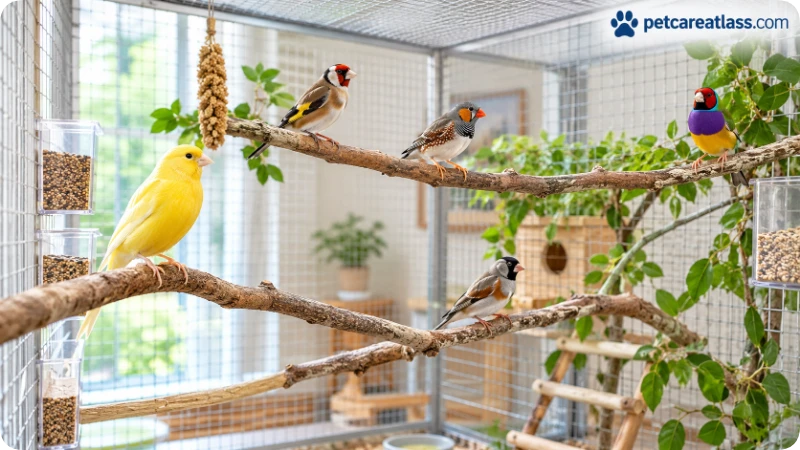
4. Finch
Finches are small, active birds that are often kept for their lively movements, gentle chirping, and social behavior. Popular pet varieties include zebra finches and society finches.
<The best fit for beginners who enjoy observing birds and can provide suitable companionship and space.>
Many finches are social and may do better with compatible companions rather than living alone. They are generally less interested in human handling than budgies or cockatiels.
Care considerations:
- Personality: Active, social, alert, and generally independent.
- Noise level: Usually low to moderate, with frequent chirping.
- Handling: Usually not suited to regular handling.
- Diet: An appropriate finch diet, often including formulated food and suitable fresh foods.
- Housing: A spacious enclosure designed to support safe flying and movement.
- Social needs: Many commonly kept finches need compatible bird companionship.
- Lifespan: Often around 5–10 years, depending on the species and individual.
Why beginners may like finches
Finches are fascinating to observe. They often move around their enclosure, interact with one another, and make gentle sounds. They can be a good choice for someone who enjoys watching natural bird behavior instead of expecting a highly interactive pet.
What to consider before choosing one
Finches may not develop the same kind of handling relationship that some parrot species can. Their social needs, flight space, and compatibility with other birds should be considered before purchase.
5. Dove
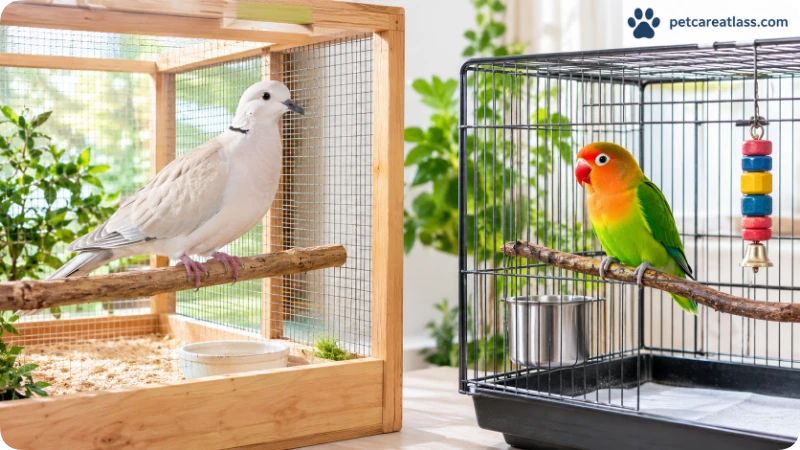
Doves are gentle birds known for their calm appearance and soft cooing. Some domesticated varieties can become comfortable around people when handled carefully and given time to adjust.
<The best fit for beginners who have enough space and prefer a generally calm companion.>
Doves are not small parrots, and their care requirements are different. They need suitable housing, a balanced diet, opportunities for movement, and protection from stress and unsafe handling.
Care considerations:
- Personality: Often calm, gentle, and observant.
- Noise level: Usually soft cooing, although vocalization varies.
- Handling: Some become comfortable with gentle interaction, but individual preferences differ.
- Diet: An appropriate dove or pigeon diet with suitable formulated feed and other recommended foods.
- Housing: A roomy enclosure that supports safe movement and wing exercise.
- Social needs: Social requirements vary by species and individual; companionship should be considered carefully.
- Lifespan: Many commonly kept domestic doves can live around 10–15 years or longer with appropriate care.
Why beginners may like doves
Doves may appeal to people who prefer a quieter, less demanding style of interaction than some highly active parrots. Their gentle behavior and soft vocalizations can make them enjoyable to observe.
What to consider before choosing one
Doves need more room than their calm behavior might suggest. They also produce droppings frequently and require consistent enclosure cleaning. Make sure you can provide enough space and appropriate veterinary care.
6. Lovebird
Lovebirds are small parrots with bright colors, energetic personalities, and strong social behaviors. Despite their small size, they can be confident, vocal, and demanding of attention.
<The best fit for beginners who have time for daily interaction and are prepared for a more energetic parrot.>
Lovebirds can form strong bonds with people, but they are not automatically easy pets. Their behavior depends on individual temperament, socialization, environment, and consistent training.
Care considerations:
- Personality: Active, curious, playful, and sometimes territorial.
- Noise level: Moderate to high; they can produce loud, sharp calls.
- Handling: Some enjoy interaction, but patience and positive training are important.
- Diet: A balanced formulated diet with suitable vegetables and other recommended foods.
- Housing: A secure, spacious cage with climbing opportunities, toys, and enrichment.
- Social needs: Need regular interaction and mental stimulation. A second bird is not a guaranteed solution for loneliness and requires careful compatibility planning.
- Lifespan: Often around 10–15 years or longer, depending on the individual and care.
Why beginners may like lovebirds
Lovebirds are intelligent and entertaining. They enjoy exploring, playing with toys, and interacting with their surroundings. Their active personalities can make them engaging companions for owners who understand their needs.
What to consider before choosing one
Lovebirds may bite when frightened, overstimulated, or defending their space. They can also become noisy and territorial. A first-time owner should be prepared to learn bird body language and use patient, reward-based training.
Comparison of the Best Pet Birds for Beginners
The following table provides a quick comparison of common beginner bird options. Noise levels and personalities are general tendencies, not guarantees for every individual.
| Bird Species | Personality | Noise Level | Handling | Lifespan |
|---|---|---|---|---|
| Budgerigar | Curious and playful | Moderate | Enjoys gentle training | 7–15 years |
| Cockatiel | Social and expressive | Moderate | Enjoys interaction | 15–25 years |
| Canary | Active and independent | Low–moderate | Prefers observation | 8–12 years |
| Finch | Social and active | Low–moderate | Prefers observation | 5–10 years |
| Dove | Calm and gentle | Low–moderate | Varies individually | 10–15+ years |
| Lovebird | Energetic and curious | Moderate–high | Needs patient socialization | 10–15+ years |
How to Choose the Right Pet Bird for Your Lifestyle
The best beginner bird is the one whose needs fit your daily routine, home environment, and long-term responsibilities. Before choosing a species, consider the following factors.
1. Consider How Much Time You Have
Some birds need frequent social interaction, while others are more comfortable being observed. Budgies, cockatiels, and lovebirds generally need regular interaction and enrichment.
Canaries and finches may suit people who prefer watching birds rather than handling them. However, they still need daily care, a clean environment, and suitable social arrangements.
2. Think About Noise Levels
Birds communicate through calls, chirps, whistles, and songs. Even small birds can be noisy, especially when they are excited, seeking attention, or responding to other birds.
If you live in an apartment or share walls with neighbors, consider a species’ typical vocal behavior before bringing one home. Remember that no pet bird is completely silent.
3. Check the Available Space
A bird needs enough room to move, climb, stretch, and exercise. A small bird does not automatically mean a tiny cage is appropriate.
Choose an enclosure based on the bird’s species, activity level, and ability to move safely. Consider the space needed for perches, toys, food bowls, and safe out-of-cage exercise when appropriate.
4. Understand the Long-Term Commitment
Some pet birds can live for many years or even decades. A bird may remain part of your household through changes in work, housing, family routines, and finances.
Before choosing one, consider whether you can provide consistent care throughout its expected lifespan.
5. Plan for Veterinary Expenses
Birds need access to an avian veterinarian who understands their species and health requirements. Routine examinations, emergency treatment, diagnostic tests, and appropriate nutrition can all add to the cost of ownership.
Locate an avian veterinarian before bringing a bird home rather than waiting until the bird becomes ill.
Basic Care Requirements for Beginner Pet Birds
All pet birds need a safe and stimulating environment. Their exact requirements differ by species, but several basic care principles apply to most commonly kept companion birds.
Provide a Suitable Cage
Choose a secure enclosure that gives the bird enough room to move comfortably. Bar spacing must be appropriate for the species so the bird cannot escape or become trapped.
Include safe perches of suitable sizes and textures. Avoid overcrowding the cage with toys and accessories, because birds need room to move freely.
Offer a Balanced Diet
A bird’s diet should be appropriate for its species. Many commonly kept companion birds benefit from a suitable formulated pellet diet alongside recommended vegetables and other foods.
Seeds alone are not a complete diet for many pet birds. A diet based heavily on seeds can contribute to nutritional problems, depending on the species and feeding pattern.
Introduce dietary changes gradually and seek advice from an avian veterinarian. Never assume that foods safe for people are automatically safe for birds.
Provide Fresh Water
Keep clean drinking water available at all times. Wash water containers regularly and replace dirty water promptly.
Food and water bowls should be positioned where droppings are unlikely to contaminate them.
Offer Toys and Mental Stimulation
Birds need opportunities to explore, forage, climb, chew, and engage in natural behaviors. Provide species-appropriate toys and rotate them to maintain interest.
Supervise new toys to make sure they do not contain unsafe materials, loose threads, sharp edges, or parts that could trap toes or be swallowed.
Maintain a Clean Environment
Clean food and water bowls regularly, remove soiled cage liners, and keep perches and surfaces hygienic.
Use bird-safe cleaning practices. Keep birds away from cleaning fumes, aerosols, smoke, and other airborne irritants.
Provide Safe Exercise
Many pet birds need supervised time outside their cages to move and exercise. Before allowing a bird to fly or explore, make the room safe.
Close windows and doors, switch off ceiling fans, cover large mirrors where necessary, and remove access to hot surfaces, open water, and other hazards.
Are Some Pet Birds Easier for Beginners Than Others?
Yes. Some species may be more manageable for first-time owners because their everyday needs and interaction styles are easier to understand. However, ease of care depends on the individual bird and the owner’s ability to meet its needs.
- Budgerigars: Often a good option for beginners who want a small, interactive parrot.
- Cockatiels: Can suit owners who have time for daily attention and can manage feather dust.
- Canaries: May suit people who prefer birdsong and observation over physical handling.
- Finches: Can suit owners who enjoy watching social birds and can provide appropriate companionship.
- Doves: May appeal to people who prefer a calmer bird and have enough space.
- Lovebirds: Can be rewarding but may require more experience with training, behavior, and territorial tendencies.
A bird should not be chosen only because it is inexpensive, small, or widely available. Its long-term welfare should guide the decision.
Pet Birds That May Be Challenging for First-Time Owners
Some birds have complex social, environmental, or behavioral needs that can make them difficult for inexperienced owners.
Large Parrots
Macaws, cockatoos, African grey parrots, and other large parrots can require extensive daily interaction, specialized enrichment, substantial housing, and long-term financial commitment.
Many are also loud, intelligent, and capable of developing serious behavioral problems when their needs are not met. Some can live for several decades.
Wild-Caught Birds
Avoid buying wild-caught birds. Removing birds from the wild can harm natural populations and may involve serious welfare concerns.
Choose a bird from a responsible source that can explain its history, health, diet, and rearing conditions.
Birds With Unknown Health Histories
A bird that appears active may still have an underlying health problem. Avoid making a purchase based only on appearance or seller assurances.
Ask about veterinary examinations, diet, age, previous housing, and any known health concerns. Arrange an examination with an avian veterinarian after bringing the bird home.
Common Mistakes First-Time Bird Owners Should Avoid
Even well-intentioned owners can make mistakes when they are unfamiliar with bird care.
| Common Mistake | Why It’s a Problem | Better Approach |
|---|---|---|
| Choosing by appearance | Looks don’t reveal care needs or temperament | Research the species first |
| Buying a small cage | Restricts movement and natural behavior | Choose a spacious enclosure |
| Feeding seeds only | May cause nutritional deficiencies | Follow a balanced, species-specific diet |
| Ignoring social needs | Can cause stress and behavioral problems | Provide interaction and enrichment |
| Forcing handling | Creates fear and reduces trust | Use gradual, reward-based training |
| Ignoring household hazards | Fumes and other dangers can harm birds | Make your home bird-safe |
| Skipping veterinary care | Health problems may go unnoticed | Consult an avian veterinarian |
Bird Safety: What Should New Owners Know?
Birds are sensitive animals, and common household items can create serious hazards. Prepare your home before bringing a pet bird inside.
Avoid Toxic Fumes
Overheated nonstick cookware containing PTFE can release fumes that are extremely dangerous to birds. Smoke, scented aerosols, air fresheners, strong cleaning chemicals, and some other airborne products can also pose risks.
Keep birds away from cooking fumes and poorly ventilated areas. Do not assume that a product is safe simply because it is marketed for household use.
Keep Windows and Doors Secure
Birds may fly into windows or escape through open doors. Use appropriate window coverings and make sure doors are closed during supervised flight time.
Remove Dangerous Household Items
Keep birds away from:
- Open flames and hot cooking surfaces.
- Ceiling fans and exposed electrical cords.
- Toxic plants and unsafe household chemicals.
- Open containers of water.
- Small objects that could be swallowed.
- Other pets that may chase, injure, or frighten them.
Watch for Signs of Illness
Birds may hide signs of illness, so changes in behavior deserve attention. Contact an avian veterinarian if you notice reduced appetite, unusual droppings, fluffed-up feathers, weakness, changes in breathing, or reduced activity.
Difficulty breathing, collapse, severe bleeding, seizures, or inability to perch require urgent veterinary attention.
Frequently Asked Questions
What is the easiest pet bird for a beginner?
Budgerigars are often considered a manageable option for beginners who want a small, interactive bird. However, they still need daily attention, a suitable diet, a spacious cage, enrichment, and veterinary care.
Which pet bird is best for someone who wants a quiet companion?
Canaries, finches, and some doves may suit people who prefer softer vocalizations. However, all birds make sounds, and individual behavior varies. Consider the bird’s typical calls before choosing one.
Are budgies good pets for first-time bird owners?
Yes. Budgies can be engaging companions and may learn to step onto a hand, respond to familiar sounds, and interact with their owners. They need patience, social interaction, enrichment, and appropriate care.
Are cockatiels good for beginners?
Cockatiels can be suitable for beginners who have enough time for daily interaction and understand their care needs. They can be social and expressive, but they produce feather dust and may call for attention.
Should beginners get one bird or two?
It depends on the species, individual bird, and available care. Some birds have strong social needs and may benefit from a compatible companion. However, two birds still require daily care, enough space, and careful introductions. A second bird does not replace appropriate human care.
Do pet birds need to leave their cages every day?
Many companion birds benefit from regular, supervised opportunities to exercise outside their cages. The amount and type of activity depend on the species, health, and environment. Make the room safe before allowing a bird out.
How much does it cost to own a pet bird?
The cost varies by species, location, enclosure, food, toys, and veterinary needs. The initial purchase is only one part of the expense. Owners should also budget for routine examinations, emergency care, replacement supplies, and suitable enrichment.
Can pet birds be left alone during the day?
Some birds can manage a normal workday if their needs are met, but they should not be left without fresh water, suitable food, a safe environment, and appropriate enrichment. Social species may need additional interaction and companionship. Long periods of isolation are not suitable for many pet birds.
Conclusion
The best pet birds for beginners depend on the kind of companion you want and the care you can provide. Budgerigars and cockatiels may suit people who want more interaction, while canaries and finches are often better for owners who enjoy observing birds. Doves and lovebirds have different space, social, and handling needs that should also be considered.
Before choosing a bird, research its diet, housing, behavior, lifespan, and veterinary requirements. A thoughtful choice and a suitable environment can help your bird stay healthy and comfortable throughout its life.

Daniel Brooks is a pet care and animal behavior writer at petcareatlass.com focused on helping owners better understand their pets’ behavior and everyday needs. He creates practical, easy-to-follow content on pet communication, training, welfare, and responsible care.