Quick Answer:
Your dog’s ears may go back when you pet him because he feels relaxed, enjoys friendly interaction, or is showing appeasement. However, ears pressed tightly against his head can also indicate fear, stress, or discomfort. Look at his eyes, mouth, tail, and overall posture to understand whether he welcomes your touch or wants you to stop.
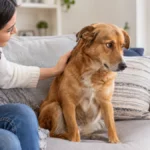
Have you noticed your dog’s ears moving backward whenever you pet him? You might wonder whether he enjoys your attention, feels nervous, or is trying to communicate something.
Dogs use their ears, facial expressions, tails, and body posture to communicate how they respond to people and their surroundings. However, backward ears do not always mean the same thing.
Some dogs naturally hold their ears slightly back when relaxed, while others pull them tightly against their heads when uncomfortable.Understanding the difference helps you recognize your dog’s boundaries and build more positive interactions.
This guide explains why dogs put their ears back during petting, which body-language signals to watch for, and how to respond appropriately.
6 Reasons Your Dog Moves His Ears Back During Petting
Dogs move their ears backward for several reasons. The meaning depends on the situation, the way you touch them, and their other body-language signals.
Here are six common explanations.
1. Your Dog Feels Relaxed and Comfortable
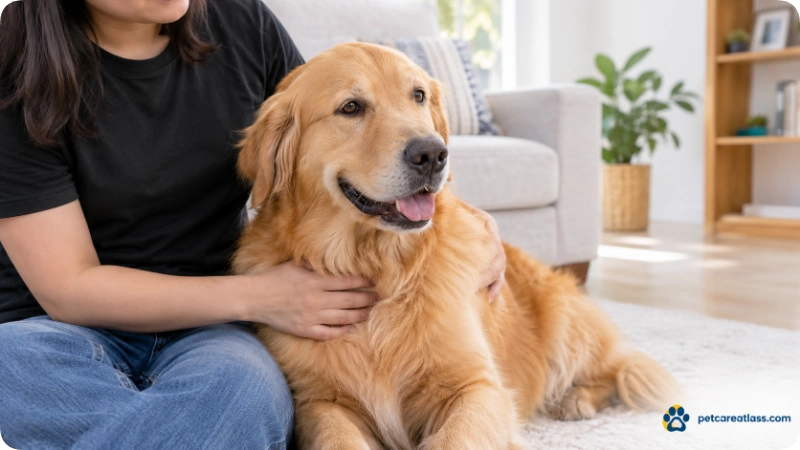
One possible explanation is that your dog feels comfortable with you. Some dogs naturally position their ears slightly backward or outward when resting or enjoying calm social interaction.
You may notice other relaxed behaviors, such as:
- Soft eyes and relaxed facial muscles.
- A loose, comfortable body.
- A gently wagging tail.
- Leaning toward your hand.
- Resting his head against you.
- Remaining close when you pause petting.
When these signals appear together, backward ears may simply be part of your dog’s relaxed body language.
What to do: Continue gentle petting if your dog remains relaxed and willingly participates. Allow him to move away whenever he wants.
2. Your Dog Is Showing Affection or Social Attachment
Some dogs move their ears backward during friendly interactions with people they trust. This position can accompany relaxed social behavior and appeasement signals.
For example, your dog might approach you, lean against your legs, or gently nudge your hand while you pet him.
However, ear position alone cannot prove that a dog feels affection. Look at whether he voluntarily approaches you, stays nearby, and appears comfortable throughout the interaction.
What to do: Let your dog guide the interaction. Gentle attention and respecting his preferences help maintain positive relationships.
3. Your Dog Is Showing Appeasement
Appeasement is a type of social communication dogs use to reduce tension or communicate non-threatening intentions.
Your dog may move his ears backward, lower his head, look away, or lick his lips during an interaction. These behaviors can occur when he is uncertain or trying to avoid conflict.
Appeasement does not automatically mean your dog is frightened. The surrounding circumstances and other body-language signals matter.
What to do: Avoid leaning over your dog, reaching toward his face, or forcing physical contact. Give him the opportunity to approach you voluntarily.
4. Your Dog Feels Nervous or Stressed
If your dog’s ears move tightly backward when you touch him, he may be communicating discomfort.
This is especially important when the behavior appears alongside other stress signals. Your dog might tolerate petting without actually welcoming it.
Possible signs include:
- Ears flattened tightly against the head.
- A tucked or lowered tail.
- Repeated lip licking.
- Frequent yawning when not tired.
- Turning his head away.
- Avoiding eye contact.
- A stiff or lowered body.
- Trying to move away.
Dogs may show these behaviors when they feel overwhelmed, uncertain, or uncomfortable with physical contact.
What to do: Stop petting and give your dog some space. Do not force interaction or punish him for communicating discomfort.
5. Your Dog Does Not Like Being Touched in That Area
Not every dog enjoys being touched in the same places. Some welcome chest and shoulder rubs but become uncomfortable when someone reaches over their head, touches their ears, or handles their face.
If your dog’s ears go back specifically when you touch a particular area, he may be asking you to change how or where you pet him.
Pay attention to whether he:
- Moves his head away from your hand.
- Pulls his ears backward when you touch his head.
- Steps away when you approach his ears.
- Becomes tense during handling.
- Relaxes when you switch to another area.
What to do: Stop touching the area that causes discomfort. Try gentle contact around his chest or shoulders only if he voluntarily welcomes it.
6. Your Dog May Be Experiencing Ear or Other Physical Pain
Sometimes, backward ears during petting may be associated with physical discomfort rather than an emotional response.
For example, a dog experiencing ear irritation or pain may react when someone touches around his ears or head.
Watch for additional signs such as:
- Frequently scratching one or both ears.
- Repeated head shaking.
- Redness around the ears.
- Unusual ear odor or discharge.
- Whining or pulling away when touched.
- Sensitivity around the head or neck.
These signs can occur with ear problems and other conditions that require veterinary assessment.
What to do: Avoid repeatedly touching or manipulating a painful ear. Arrange a veterinary examination if your dog shows persistent sensitivity or other signs of discomfort. Sudden severe pain, head tilt, balance problems, or significant swelling warrant prompt veterinary attention.
How to Tell Whether Your Dog Enjoys Being Petted
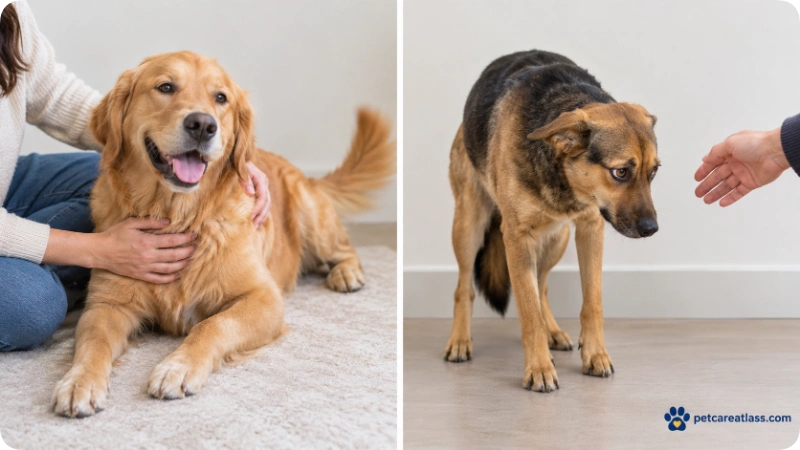
The best way to understand your dog’s ear position is to examine his entire body rather than focusing on one movement.
A dog with relaxed ears may still be uncomfortable, while a dog with ears held backward may be perfectly calm.
Use this comparison to understand the difference.
| Body Language | Possible Meaning | What to Do |
|---|---|---|
| Ears slightly back, soft eyes | Relaxation | Continue if welcomed |
| Ears gently back, loose body | Comfortable interaction | Let him choose |
| Ears pinned back, tucked tail | Fear or stress | Stop petting and give space |
| Ears back, repeated lip licking | Possible discomfort | Pause and observe |
| Ears back, head turned away | Avoidance or uncertainty | Stop touching his head |
| Ears back, stiff body, hard stare | Significant tension | Give him space |
| Ears back with whining or flinching | Possible pain or discomfort | Arrange a veterinary exam |
These are general behavioral clues, not definitive diagnoses. Interpret them alongside your dog’s normal posture and the situation.
Why Does My Dog Put His Ears Back When I Pet His Head?
Head petting is not equally comfortable for every dog.
Some dogs enjoy gentle strokes around their forehead, while others prefer contact under the chin, around the chest, or along their shoulders.
A hand approaching from above can also make some dogs uncomfortable, particularly unfamiliar or nervous dogs.
If your dog moves his ears backward when you reach toward his head, observe whether he also:
- Turns his face away from your hand.
- Lowers his head.
- Closes his mouth suddenly.
- Moves backward.
- Tries to leave the interaction.
If these behaviors appear, stop reaching toward his head. Let him approach you instead of trying to maintain physical contact.
How to Pet Your Dog So He Feels Comfortable
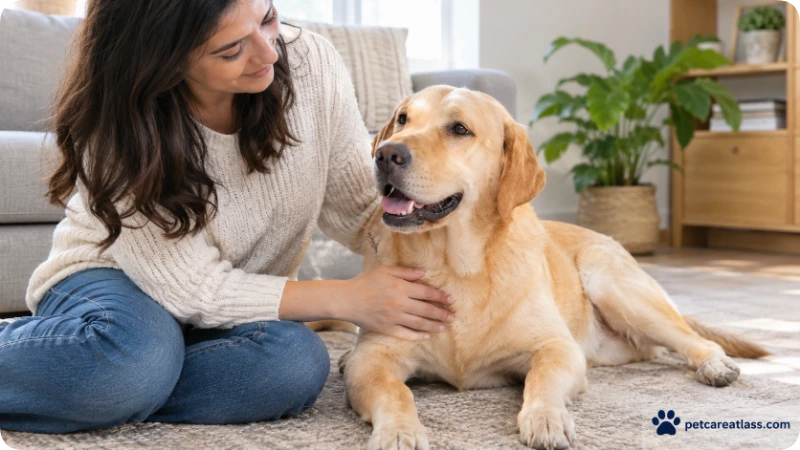
Respecting your dog’s body language is one of the best ways to make physical interaction more comfortable.
Try these simple steps:
- Approach calmly: Avoid sudden movements, loud noises, or leaning directly over your dog.
- Let him approach: Give him the opportunity to come toward you rather than forcing contact.
- Start gently: Offer a light touch around his chest or shoulder if he appears comfortable.
- Watch his reaction: Look for soft eyes, loose muscles, relaxed ears, and voluntary engagement.
- Pause regularly: Stop petting briefly and see whether he moves closer or chooses to leave.
- Respect his decision: If he turns away, stiffens, or moves away, end the interaction.
A useful approach is sometimes called a consent test: pet gently for a few seconds, pause, and observe what your dog does next.
If he approaches, leans into your hand, or actively seeks more contact, he may welcome continued petting. If he turns away or moves away, respect that choice.
Remember that a dog remaining still does not necessarily mean he enjoys being touched.
When Should You Be Concerned About Your Dog’s Ears Going Back?
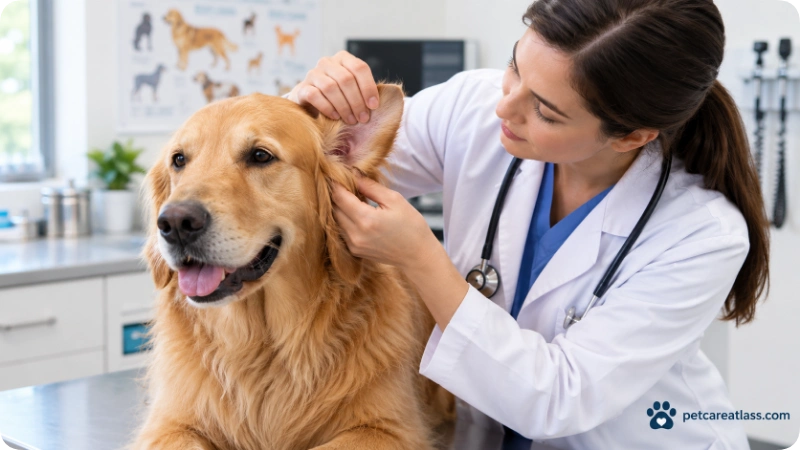
Occasional backward ear movements during petting are not automatically concerning. However, a sudden change in behavior or repeated sensitivity deserves attention.
Consider contacting your veterinarian if your dog:
- Suddenly becomes uncomfortable with familiar petting.
- Reacts painfully when you touch his ears or head.
- Frequently shakes his head or scratches his ears.
- Develops redness, swelling, or unusual ear discharge.
- Whines, flinches, or repeatedly avoids being touched.
- Shows changes in normal behavior alongside ear sensitivity.
A veterinarian can examine his ears and determine whether an underlying problem needs treatment.
If your dog growls, snaps, or shows his teeth when touched, do not punish him. Stop the interaction and create distance. These behaviors are important warnings that he is uncomfortable.
For recurring handling-related fear or defensive behavior, seek help from a qualified veterinary behaviorist or reward-based behavior professional.
Do Some Dog Breeds Naturally Hold Their Ears Back?
Yes. Ear shape, breed characteristics, and individual anatomy can affect how clearly you see ear movements.
For example, dogs with upright ears may show noticeable changes in ear direction, while floppy-eared breeds may communicate through smaller movements at the base of their ears.
A dog’s natural ear position also matters. Some dogs normally carry their ears slightly backward or outward when relaxed.
Rather than comparing your dog with another breed, learn what his ears look like when he is comfortable, alert, nervous, and resting.
This makes it easier to recognize meaningful changes in his body language.
Frequently Asked Questions
Does a dog putting his ears back mean he loves me?
Not necessarily. Some dogs move their ears backward during relaxed, friendly interactions, but this position alone does not prove affection. Look for voluntary approaches, a loose body, soft eyes, and a willingness to continue interacting. Your dog’s overall behavior provides a better indication of whether he welcomes your attention.
Why does my dog put his ears back and wag his tail when I pet him?
Your dog may be excited, relaxed, or socially engaged. However, tail wagging does not always indicate happiness. A loose, relaxed tail movement combined with soft eyes and a comfortable body is more reassuring than a stiff, rapid wag accompanied by tension.
Why does my dog put his ears back when I stop petting him?
He may be responding to the change in interaction, seeking more attention, or simply moving his ears naturally. Watch whether he nudges your hand, moves closer, or remains relaxed. If he voluntarily seeks more contact, you can offer gentle petting again.
Why does my dog put his ears back when I scratch behind them?
Some dogs enjoy gentle ear-area scratching, while others find it uncomfortable. If your dog leans into your hand with a relaxed body, he may welcome it. However, repeated head shaking, scratching, flinching, or pulling away can indicate irritation or pain and should be checked by a veterinarian.
Should I stop petting my dog when his ears go back?
Not always. Slightly backward ears can be normal in a relaxed dog. However, stop petting if his ears are tightly pinned and he also shows stress signals such as a tucked tail, lip licking, a stiff body, or attempts to move away. Give him space and allow him to decide whether to approach again.
Conclusion
When your dog’s ears go back while you pet him, the movement may indicate relaxation, friendly interaction, appeasement, or discomfort. The difference depends on his other body-language signals and the situation.
Pay attention to his eyes, tail, facial expressions, and willingness to remain close. Most importantly, respect his boundaries. When your dog moves away or shows signs of stress, stop petting and give him space.

Daniel Brooks is a pet care and animal behavior writer at petcareatlass.com focused on helping owners better understand their pets’ behavior and everyday needs. He creates practical, easy-to-follow content on pet communication, training, welfare, and responsible care.